
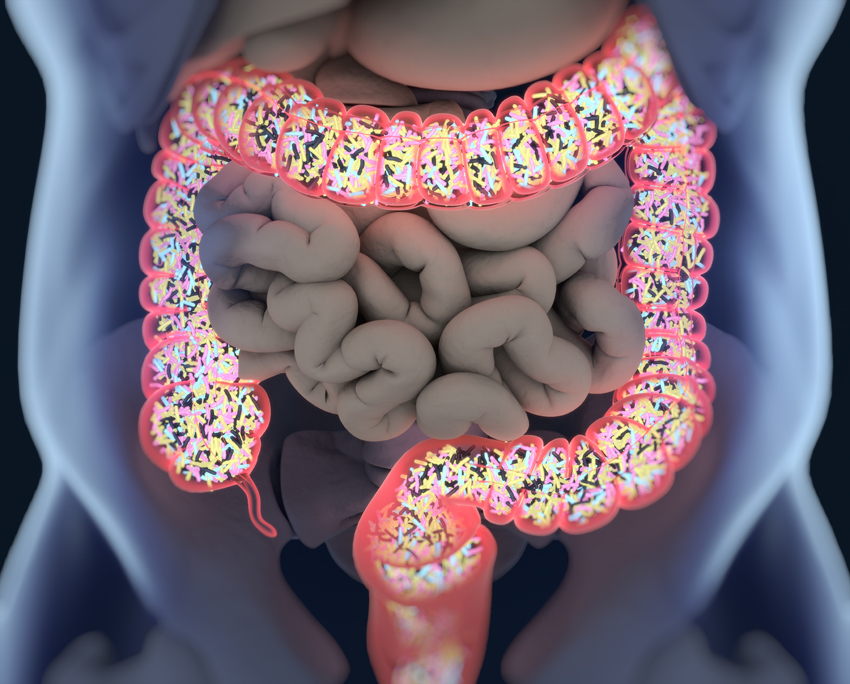
In our modern-day Kenyan society, one is heavily judged by his or her appearance ranging from facial look, choice of fashion, and tribe but mostly one wouldn’t miss one’s body shape or size. People tend to feel insecure about how their bodies look from the outside but fail to give much attention to what is going on inside the body. Notably, the stomach size whether big or small gives a person a sense of insecurity. But in this article, through the guidance of Doctor Chris Wambui a medical expert at Health-Link Natural Clinic, we go inside the stomach to try to understand what really happens and what exactly affects your stomach. As it is said, the gut is the second brain in the human body.
The stomach is an essential part of the digestive system that plays a crucial role in breaking down food, initiating digestion, and absorbing nutrients. However, despite its remarkable capabilities, the stomach can still encounter complications due to various factors, including one’s diet, lifestyle, genetic makeup, and underlying medical conditions. We will delve into the most common stomach complications, their underlying causes, symptoms, and potential treatments.
- Ulcers
Gastric ulcers, also known as stomach ulcers, are open sores that develop on the inner lining of the stomach. These ulcers often result from an imbalance between stomach acid and the protective mucus lining. According to Dr. Chris, Factors such as long-term use of nonsteroidal anti-inflammatory drugs (NSAIDs), excessive alcohol consumption, and smoking can contribute to their development.
Symptoms of gastric ulcers include abdominal pain, bloating, vomiting, backache, headache, chest pain and short breath, constipation, dyspepsia, dark stool, and developing IBS. However, treatment may involve medications to reduce stomach acid production, anti-inflammatories, antibiotics to eradicate H. pylori infection, and lifestyle changes to promote healing.
2. Gastroesophageal Reflux Disease (GERD)
GERD is a chronic condition where stomach acid frequently flows back into the esophagus, causing irritation and discomfort. This occurs when the lower muscle that separates the esophagus from the stomach becomes weakened or relaxed. Mostly it is caused by excess gas in the stomach causing hiatus hernia to develop. The classic symptom of GERD is heartburn, characterized by a burning sensation in the chest. Other symptoms include vomiting, difficulty in swallowing, and persistent cough. To manage GERD, Dr. Chris advises readers and patients to involve dietary changes, lifestyle adjustments (such as raising the head of the bed), medications to reduce acid production, and in severe cases, surgical interventions.
3. Stomach Cancer
Stomach cancer, also known as gastric cancer, is a serious complication that usually develops over time due to untreated stomach complications i.e. gastritis, or ulcers. Risk factors for stomach cancer include a diet high in smoked, pickled, or salty foods, as well as a history of H. pylori infection. Early symptoms might be vague and include indigestion, loss of appetite, unexplained weight loss, and abdominal discomfort. Treatment options for stomach cancer depend on the stage of the disease and may involve surgery, chemotherapy, radiation therapy, or targeted therapies.
4. Gastritis
Commonly referred to as stomach flu, gastroenteritis is an inflammation of the stomach and intestines. It is often caused by erosion on the stomach wall mucus membrane causing the stomach wall to be irritated by chloride acid produced by the pancreas to help in digestion leading to symptoms such as nausea, vomiting, heartburn, backache, shoulder freezing, stomach irritation mostly on empty stomach or after eating. Other symptoms include fatigue, mild headache, insomnia, internal bleeding, dark stool, constipation, diarrhea, abdominal cramps, and fever. Hydration and rest are important for recovery from gastroenteritis, while severe cases might require medical intervention to address dehydration and administer appropriate medications.
5. Gastroparesis
Gastroparesis is a condition in which the stomach takes longer than usual to empty its contents into the small intestine. It is often caused by damage to the vagus nerve, which controls the muscles that propel food through the digestive tract. Symptoms include nausea, vomiting, bloating, early satiety, and abdominal pain. Dietary changes, medications to stimulate stomach emptying, and managing underlying conditions can help alleviate symptoms of gastroparesis.
6. Peptic Strictures
Peptic strictures are narrow, constricted areas that can develop in the esophagus, stomach, or small intestine due to long-term inflammation and scarring. They are often a result of untreated GERD or chronic ulceration. Symptoms include difficulty swallowing, a feeling of food getting stuck, and chest pain. Treatment may involve dilation procedures to widen the narrowed areas, as well as addressing the underlying cause.
The stomach’s role in digestion is vital, and its complications can significantly impact overall health and well-being. “While many stomach complications can be managed through lifestyle changes, dietary modifications, and medications, it is crucial to address symptoms promptly and seek medical advice when needed.” Says Dr. Chris. He adds “Maintaining a healthy lifestyle, avoiding excessive use of NSAIDs and alcohol, and treating underlying infections can go a long way in preventing some of these common stomach complications. Regular medical check-ups and early intervention can contribute to better stomach health and improved quality of life.”
Dr. Chris Wambui is the CEO of Health-Link Natural Clinic. He is an accomplished herbal practitioner with honors from the Himalaya Company and Patanjali Company, in India. He is also in partnership with Kenya Medical Research Institute offering services in infertility treatment, Ulcers, gastritis, low testosterone levels, and prostate cancer.
For booking a medical appointment call +254721500900 or visit YouTube channel for more informing videos Health -link Natural Clinic
