
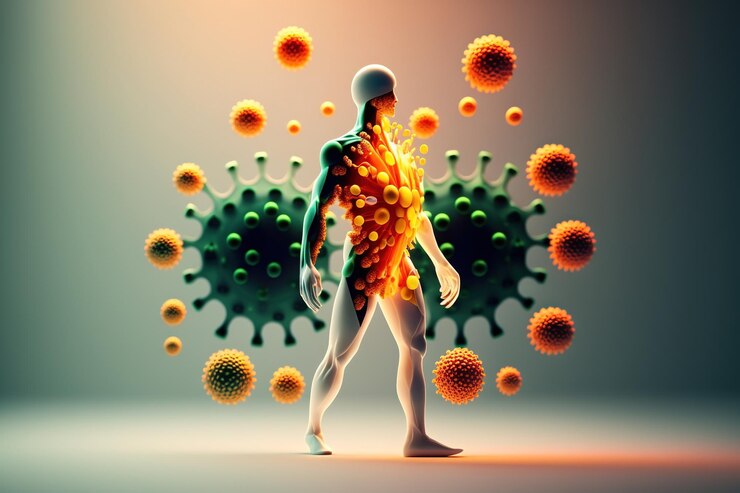
In today’s fast-paced world, our bodies are constantly exposed to pollutants and chemicals, both in the air we breathe and the food we consume. These toxins, often invisible, can accumulate in our bodies over time, potentially leading to a range of health issues. Understanding the concept of toxins in the human body is crucial for maintaining optimal health and well-being.
What Are Toxins?
Toxins are harmful substances that can disrupt normal bodily functions and lead to a range of health problems. They can come from external sources such as pollutants, chemicals, and pathogens, as well as internal sources like metabolic waste products.
According to Doctor Christopher Wambui, a medical practitioner and CEO of Health-Link Natural Clinic, toxins can be natural or synthetic and come in various forms, including chemicals, heavy metals, bacteria, viruses, and more.
“Some toxins are produced by our own bodies as metabolic waste products, while others are external and can be found in the environment,” says Dr. Chris.
What are the common sources of toxins?
- Environmental Toxins
- Air Pollution: Exhaust fumes, industrial emissions, and airborne particulate matter contain toxins like benzene, lead, and arsenic.
- Water Contamination: Pollutants such as pesticides, heavy metals, and chlorine can infiltrate our water supply.
- Food Additives: Synthetic additives, preservatives, and pesticides in processed foods may introduce toxins into our diets.
- Household Chemicals: Common household items like cleaning products, plastics, and cosmetics often contain harmful chemicals.
- Radiation: Exposure to ionizing radiation from sources like X-rays and nuclear materials can lead to toxin accumulation.
- Toxins from Diet
- Pesticides and Herbicides: Residue from agricultural chemicals can be found in fruits, vegetables, and grains.
- Heavy Metals: Seafood, especially larger fish, can contain high levels of mercury and other heavy metals.
- Food Allergens: Some individuals can experience toxic reactions to allergenic foods.
- Toxins from Lifestyle Choices
- Smoking: Tobacco smoke contains numerous toxins, including carcinogens like tar and nicotine.
- Alcohol: Excessive alcohol consumption can damage the liver and increase toxin levels in the body.
- Stress: Chronic stress can impair the body’s detoxification processes, leading to toxin buildup.
- Biological Toxins
- Bacterial Infections: Pathogenic bacteria can release toxins in the body, causing illnesses.
- Viral Infections: Certain viruses produce toxins that can harm cells and tissues.
Understanding How Toxins Enter the Human Body
Toxins are harmful substances that can have detrimental effects on the human body. As seen above, they come in various forms and can enter our bodies through different pathways. As per Dr. Chris, understanding how toxins enter the human body is crucial in adopting preventive measures to minimize their impact on our health.
- Inhalation
One of the most common ways toxins enter the human body is through inhalation. When we breathe, we are exposed to the air around us, which may contain pollutants and toxins. Harmful substances such as air pollutants, volatile organic compounds (VOCs), and industrial chemicals can be inhaled into the respiratory system. These toxins can include pollutants like fine particulate matter (PM2.5), carbon monoxide, lead, and asbestos, which are present in polluted air. Dr. says Chris emphasizes the importance of breathing clean air and using personal protective equipment when necessary.
- Ingestion
Ingestion refers to the consumption of toxins through the mouth. Toxins in our food and water can enter the body through the digestive system. Contaminated food, water, and beverages can be a significant source of toxins such as pesticides, heavy metals, bacteria, and parasites. Consuming uncooked or undercooked food, contaminated produce, and contaminated drinking water are common ways for toxins to enter the body through ingestion. Proper food handling, cooking, and water purification techniques can help reduce this risk.
- Skin Absorption
Our skin is the largest organ of the body and acts as a barrier against external threats. However, certain toxins can penetrate the skin and enter the bloodstream. This can occur when we come into contact with hazardous chemicals, pesticides, or toxic substances found in cosmetics and personal care products. Additionally, Dr. Chris says certain professions, such as those involving direct contact with chemicals, may pose an increased risk of skin absorption. Wearing appropriate protective clothing and gloves can help minimize this pathway of toxin entry.
- Injection
Intravenous drug use is a method of intentional toxin entry into the body. When illicit drugs are injected into the bloodstream using needles, toxins bypass the body’s natural protective barriers and directly enter the circulatory system. This method of toxin entry can lead to various health issues, including the risk of infection and overdose. Harm reduction and addiction treatment programs aim to address the health risks associated with injection drug use.
- In utero Transmission
Toxins can be transmitted from the mother to the fetus during pregnancy. This is a critical concern, as it can affect the health and development of the unborn child. “The most common route of in-utero toxin transmission is through the placenta. Maternal exposure to toxins like alcohol, tobacco, drugs, and environmental pollutants can have lasting effects on the child’s health,” states Dr. Christopher. Pregnant individuals should prioritize a healthy lifestyle and avoid exposure to harmful substances during pregnancy to protect their baby’s well-being.
How Toxins in the Human Body Cause Mental Disorders
Mental disorders have long been a subject of concern for both medical professionals and the general public. While there are many factors that contribute to the development of mental disorders, one area that has gained increasing attention in recent years is the role of toxins in the human body.
As explained by Dr. Chris, it’s crucial to recognize the role of the blood-brain barrier (BBB). The BBB is a protective barrier that separates the bloodstream from the brain and spinal cord. It acts as a gatekeeper, allowing essential nutrients and oxygen to enter the brain while keeping harmful substances, including toxins, out.
However, certain toxins, such as heavy metals like lead and mercury, can cross the BBB, disrupting its integrity. Once inside the brain, these toxins can trigger harmful effects.
How Toxins Affect Mental Health
- Neurological Damage: Some toxins, such as heavy metals like lead and mercury, are known to damage nerve cells and disrupt neurotransmitter function. This damage can lead to cognitive impairment, mood disorders, and even severe conditions like dementia and psychosis.
- Inflammation: Toxins in the body can trigger a state of chronic inflammation. Inflammation has been linked to various mental health disorders, including depression, anxiety, and bipolar disorder. It is believed that the inflammatory response affects the brain’s structure and function, contributing to these disorders.
- Oxidative Stress: Toxins can also increase oxidative stress in the body, leading to damage to cells, proteins, and DNA. This oxidative stress has been associated with conditions such as schizophrenia and bipolar disorder.
- Gut-Brain Connection: The gut-brain connection has gained increasing attention in recent years. Toxins in the gut can disrupt the balance of beneficial and harmful bacteria, leading to an imbalance in the gut microbiome. This imbalance, known as dysbiosis, can affect the production of neurotransmitters like serotonin and impact mental health.
- Hormonal Disruption: Some toxins, including endocrine-disrupting chemicals, can interfere with the body’s hormonal balance. These disruptions can lead to mood disorders, as hormones play a crucial role in regulating emotions and stress responses.
Common Toxins and Their Effects
- Heavy Metals: Lead, mercury, and arsenic are known to have neurotoxic effects, leading to cognitive impairments, mood disorders, and even psychosis.
- Air Pollutants: Air pollution, including fine particulate matter (PM2.5) and volatile organic compounds (VOCs), has been linked to an increased risk of mental health disorders, including depression and anxiety.
- Pesticides: Exposure to pesticides has been associated with an increased risk of depression, anxiety, and cognitive impairment.
- Food Additives: Certain food additives, such as artificial sweeteners and preservatives, have been linked to mood disorders and cognitive issues.
The Effects of Toxins on The General Human Body
Toxins can have a wide range of effects on the human body, both short-term and long-term. Here are some of the most notable effects that Dr. Chris attributes to toxins in the body:
- Acute Toxicity: Short-term exposure to high levels of toxins can lead to acute toxicity, resulting in symptoms like nausea, vomiting, dizziness, and, in severe cases, organ failure or death.
- Chronic Health Issues: Long-term exposure to lower levels of toxins can contribute to chronic health problems, including respiratory issues, neurological disorders, and cardiovascular diseases.
- Cancer: Many toxins, especially carcinogens, can increase the risk of cancer development by causing DNA damage and mutations.
- Endocrine Disruption: Toxins known as endocrine disruptors can interfere with the body’s hormonal balance, leading to reproductive problems, thyroid dysfunction, and other hormone-related disorders.
- Neurological Effects: Some toxins, like heavy metals, can accumulate in the brain and nervous system, leading to cognitive impairments and neurological disorders.
- Immune System Impairment: Toxins can weaken the immune system’s ability to fight off infections and illnesses, making individuals more susceptible to diseases.
- Respiratory Issues: Airborne toxins can irritate the respiratory system, leading to conditions such as asthma and chronic obstructive pulmonary disease (COPD).
- Cardiovascular Problems: Certain toxins can contribute to heart disease by damaging blood vessels and increasing the risk of blood clots.
How Does the Human Body Eliminate Toxins?
The human body is an intricate and highly organized system that performs numerous functions to maintain health and vitality. One of its most crucial functions is the elimination of toxins. Toxins can enter our bodies through various sources as mentioned above in this article including the air we breathe, the food we eat, and the products we use. Fortunately, our bodies have developed a clever and complicated detoxification system to rid us of these harmful substances and keep us in optimal health.
The Detoxification Organs
- Liver: Often referred to as the body’s primary detoxification organ, the liver plays a pivotal role in processing and neutralizing toxins. It converts fat-soluble toxins into water-soluble compounds, making them easier to excrete through urine or bile. The liver also synthesizes enzymes and proteins that aid in detoxification.
- Kidneys: The kidneys filter the blood to remove waste products and toxins. They concentrate these waste products in the urine, which is then excreted from the body. Kidneys also help maintain fluid and electrolyte balance, contributing to the overall detoxification process.
- Lungs: As we breathe, our lungs play a significant role in eliminating gaseous toxins and metabolic waste products such as carbon dioxide. Deep breathing exercises can assist in enhancing this natural detoxification process.
- Skin: Sweating is another important method of toxin elimination. When we sweat, our skin excretes waste products and toxins, helping to regulate body temperature and maintain internal balance.
- Gastrointestinal Tract: The digestive system eliminates toxins through bowel movements. Regular bowel movements are vital for preventing the reabsorption of waste products back into the bloodstream.
Identifying the Silent Invaders: Symptoms of Toxins in the Human Body
Over time, toxins can accumulate in our bodies and lead to a range of health issues. From the point of view of Dr. Chris, recognizing the symptoms of toxins in the human body is crucial for early intervention and prevention.
- Fatigue and Low Energy
One of the most common symptoms of toxin buildup in the body is persistent fatigue and low energy levels. Toxins, such as heavy metals, pesticides, and environmental pollutants, can disrupt the body’s natural energy production processes, leaving you feeling tired and sluggish.
- Skin Problems
Toxins can manifest as skin issues, including acne, rashes, eczema, and even premature aging. The skin is the body’s largest organ and serves as a protective barrier. When toxins accumulate in the body, they can lead to inflammation and skin problems.
- Digestive Problems
Toxic overload can result in various digestive issues, such as constipation, diarrhea, bloating, and irritable bowel syndrome (IBS). Toxins can disrupt the balance of gut bacteria and impair the digestive system’s ability to function properly.
- Brain Fog and Cognitive Impairment
Toxins can also affect cognitive function, leading to symptoms like brain fog, difficulty concentrating, memory problems, and mood swings. Heavy metals like lead and mercury, as well as certain chemicals, can have a detrimental impact on brain health.
- Weight Gain and Metabolic Issues
Toxins, especially endocrine-disrupting chemicals (EDCs), can interfere with the body’s hormonal balance, potentially leading to weight gain, insulin resistance, and other metabolic problems. This can contribute to obesity and type 2 diabetes.
- Allergies and Sensitivities
Toxic exposure can trigger allergies and sensitivities to various substances, including pollen, dust, and food. These reactions are often the result of a weakened immune system due to toxin overload.
- Headaches and Migraines
Chronic headaches and migraines can be linked to toxin accumulation. Toxins can trigger inflammation in the brain and nervous system, leading to pain and discomfort.
- Joint and Muscle Pain
Toxic substances like heavy metals and pesticides can accumulate in joints and muscles, causing pain, stiffness, and reduced mobility. This can be mistaken for arthritis or other musculoskeletal conditions.
- Respiratory Issues
Exposure to environmental toxins, such as air pollution and indoor pollutants, can lead to respiratory problems like coughing, wheezing, shortness of breath, and an increased risk of lung diseases.
- Hormonal Imbalances
Toxins can disrupt the endocrine system, leading to hormonal imbalances in both men and women. This can result in irregular menstrual cycles, fertility issues, and other reproductive health problems.
Preventing and Mitigating Toxins in the Human Body
To maintain optimal health and well-being, it’s essential to take proactive steps to prevent and mitigate toxins in the human body. Dr. Chris explores various strategies and lifestyle choices that can help you reduce toxin exposure and support your body’s natural detoxification processes.
- Dietary Choices
- One of the most significant sources of toxins in the body is the food we eat. To prevent and mitigate toxins in your diet, consider the following:
- Choose Organic Foods: Organic produce is grown without synthetic pesticides and fertilizers, reducing your exposure to harmful chemicals.
- Limit Processed Foods: Processed foods often contain artificial additives, preservatives, and high levels of sugar and unhealthy fats. Opt for whole, unprocessed foods whenever possible.
- Consume Antioxidant-Rich Foods: Foods like berries, leafy greens, and cruciferous vegetables are packed with antioxidants that help your body neutralize toxins.
- Stay Hydrated: Drinking plenty of water helps flush toxins out of your system through urine and sweat.
- Reduce Alcohol and Caffeine: Excessive alcohol and caffeine intake can burden the liver, making it less effective at detoxification.
- Environmental Toxin Reduction
To reduce exposure to environmental toxins, consider these practices:
- Air Quality: Use air purifiers in your home, especially in areas with poor air quality or if you live in an urban environment.
- Household Products: Choose natural and non-toxic cleaning products, personal care items, and cosmetics.
- Limit Plastics: Minimize the use of plastic containers, especially for storing or heating food, as they can leach harmful chemicals into your food.
- Avoid Smoking and Secondhand Smoke: Smoking and exposure to secondhand smoke introduce a host of toxic chemicals into your body.
- Lifestyle Choices
- Exercise: Regular physical activity promotes circulation and sweating, which can aid in the removal of toxins through the skin.
- Stress Management: Chronic stress can impact the body’s ability to detoxify. Incorporate stress-reduction techniques such as meditation, yoga, or deep breathing exercises into your daily routine.
- Adequate Sleep: Getting enough quality sleep is crucial for the body’s natural detoxification processes.
- Supporting the Liver and Kidneys
- The liver and kidneys play a central role in detoxification. You can support these organs by:
- Liver-Friendly Foods: Foods like garlic, turmeric, and green tea can support liver function.
- Hydration: Drinking enough water is essential for kidney health and toxin elimination.
- Limiting Alcohol: Excessive alcohol consumption can harm both the liver and kidneys.
- Regular Health Check-ups
Regular medical check-ups can help identify and address any underlying health issues that may affect your body’s ability to detoxify properly.
“Preventing and mitigating toxins in the human body is an ongoing process that requires a combination of healthy lifestyle choices, dietary decisions, and environmental awareness,” states Dr. Chris. “By adopting these practices and staying informed about potential sources of toxins, you can help your body maintain its natural detoxification abilities and reduce the risk of health problems associated with toxin exposure,” he adds.
Dr. Christopher Wambui is the CEO of Health-Link Natural Clinic. He is a proficient herbal practitioner with honors from the Himalaya Company and Patanjali Company, in India. He is also in partnership with Kenya Medical Research Institute offering services in genetic counseling, infertility treatment, Ulcers, gastritis, low testosterone levels, and prostate cancer. For booking a medical appointment call +254721500900 for more information. Visit the YouTube channel for more informing videos Health-link natural clinic


Nice
Thanks for contacting Dr Chris wambui, how would you like me to help me with anything health related issues, and where are you..?