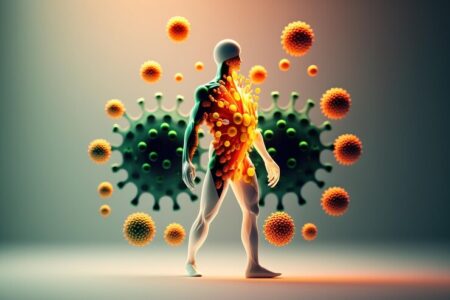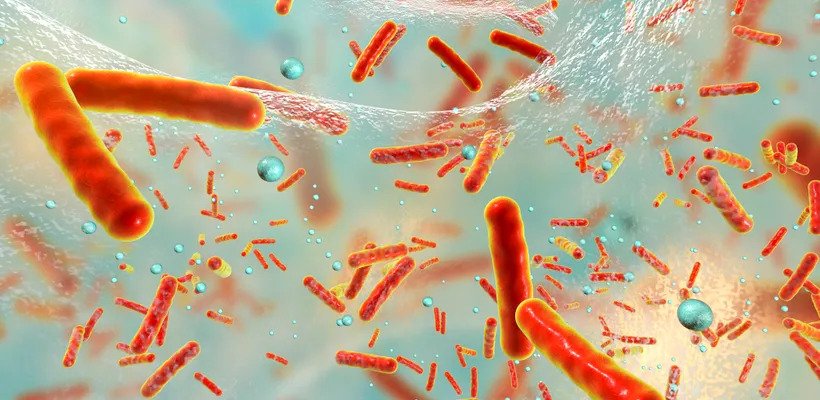
The human body is a finely tuned system that relies on various functional processes to maintain health and well-being. One crucial aspect of our internal functioning is the circulatory system, which includes the blood, the life-sustaining fluid that transports nutrients, oxygen, and waste products throughout the body. It is a remarkable and complex bodily fluid comprising roughly 7-8% of a person’s body weight. It is also a mixture of cells, proteins, and other components that circulate throughout the body, ensuring its proper functioning.
However, not all substances in the bloodstream are beneficial. Toxins, harmful chemicals, and compounds can infiltrate our blood, posing potential threats to our health. Toxins in the human blood represent a difficult and complicated issue. They can originate from various sources, come in different forms, and exert acute and chronic health effects. This article will explore the various sources, types, and impacts of toxins in human blood with the guidance and assistance of a medical practitioner and CEO of Health-Link Natural Clinic Dr. Christopher Wambui.
Types of Toxins in the Blood
- Environmental Toxins
- Heavy metals (e.g., lead, mercury, cadmium)
- Pesticides and herbicides
- Air pollutants (e.g., particulate matter, volatile organic compounds)
- Chemical contaminants in water (e.g., fluoride, chlorine)
- Biological Toxins
- Bacterial endotoxins
- Viral particles
- Fungal mycotoxins
- Metabolic Toxins
- Urea and creatinine (byproducts of protein metabolism)
- Lactic acid (resulting from anaerobic metabolism)
- Ammonia (metabolized from proteins)
Sources of Blood Toxins in the Human Body
The sources of blood toxins in the human body are diverse and can have far-reaching consequences for health and well-being. According to Dr. Chris understanding these sources and taking steps to minimize exposure to toxins is essential for maintaining optimal health and preventing the development of chronic diseases.
- Environmental Toxins
Air Pollution
Air pollution is a significant source of toxins that can enter the bloodstream through inhalation. Pollutants such as particulate matter, carbon monoxide, sulfur dioxide, and nitrogen oxides can irritate the respiratory system and may even cross into the bloodstream. Long-term exposure to air pollution has been linked to cardiovascular diseases, respiratory issues, and systemic inflammation.
- Heavy Metals
Heavy metals like lead, mercury, cadmium, and arsenic can contaminate the environment through industrial processes, contaminated water, and even certain foods. These metals can accumulate in the body over time, affecting various organs and systems, including the bloodstream. Lead poisoning, for example, can lead to anemia and cognitive impairments.
- Pesticides and Herbicides
Agricultural chemicals such as pesticides and herbicides may find their way into the food supply and, subsequently, into the bloodstream when consumed. These chemicals can have adverse effects on the nervous system, immune system, and overall health. Organophosphates, commonly found in pesticides, are known to inhibit cholinesterase enzymes in the blood.
- Dietary Toxins
Processed Foods
Processed foods often contain additives, preservatives, artificial colors, and flavor enhancers that can introduce toxins into the bloodstream. Excessive consumption of processed foods has been associated with obesity, diabetes, and metabolic syndrome.
Trans Fats
Trans fats are partially hydrogenated oils commonly found in fried and processed foods. Consuming trans fats can lead to elevated levels of harmful LDL cholesterol and inflammation, which can contribute to cardiovascular disease.
Excessive Sugar and High-Fructose Corn Syrup
High sugar and high-fructose corn syrup consumption can result in insulin resistance, fatty liver disease, and obesity. These conditions can contribute to inflammation and oxidative stress in the bloodstream, increasing the risk of heart disease and other chronic conditions.
- Lifestyle Factors
Smoking
Smoking introduces a vast array of toxins into the bloodstream, including nicotine, carbon monoxide, and numerous carcinogens. Smoking is a major risk factor for heart disease, stroke, and various cancers.
Alcohol Consumption
Excessive alcohol consumption can damage the liver and contribute to the release of harmful substances into the bloodstream. Chronic alcohol abuse can lead to alcoholic liver disease and cirrhosis.
- Pharmaceuticals and Medications
Prescription and Over-the-counter Drugs: Some medications can have side effects that affect the bloodstream. For instance, non-steroidal anti-inflammatory drugs (NSAIDs) may lead to gastrointestinal bleeding, while certain antibiotics can affect the composition of the blood.
Drug Abuse
Illicit drug use, such as heroin or methamphetamine, can introduce toxic substances directly into the bloodstream, leading to various health issues, including infections, bloodborne diseases, and organ damage.
How Toxins Enter the Human Body
Toxins have the potential to harm or disrupt the normal functions of the human body. They can be found in various forms, including chemicals, pollutants, and microorganisms as seen above. Knowing how toxins enter the human body is crucial for safeguarding our health. By being aware of the various pathways through which toxins can enter our systems, we can make informed choices to minimize exposure.
- Ingestion
Toxins can also enter the body through ingestion, which involves consuming contaminated food, water, or beverages. Contaminants in food and water can include bacteria, viruses, pesticides, heavy metals (like lead and mercury), and various chemicals such as food additives and preservatives.
Improperly washed or cooked foods, contaminated water sources, and exposure to pesticides on fruits and vegetables are some common sources of toxin ingestion. It’s essential to maintain proper food hygiene and drink clean, safe water to minimize this route of exposure.
- Dermal Absorption
The skin is the body’s largest organ and can absorb toxins when it comes into contact with them. This absorption can occur through exposure to chemicals in personal care products, such as lotions, shampoos, and cosmetics, as well as contact with harmful substances in the workplace, like industrial chemicals and solvents.
Certain chemicals are more readily absorbed through the skin than others. For example, some pesticides and industrial chemicals can penetrate the skin’s barrier and enter the bloodstream, potentially causing harm over time.
- Injection
Intravenous drug use is another way toxins can directly enter the bloodstream. While not a common route for most people, it is important to note that the use of contaminated needles or sharing needles can introduce harmful substances into the body, leading to serious health consequences, including infections and toxicity.
- Maternal-Fetal Transfer
Toxins can also be transmitted from a mother to her unborn child during pregnancy and breastfeeding. This is particularly concerning because the developing fetus and newborn are more vulnerable to the harmful effects of toxins due to their developing organ systems. Maternal exposure to toxins like tobacco smoke, alcohol, certain medications, and environmental pollutants can also result in fetal exposure.
- Biologically Produced Toxins
Not all toxins come from external sources. Some toxins are produced within the body as a result of metabolic processes. For example, urea, a waste product of protein metabolism, becomes toxic when not excreted efficiently by the kidneys. Additionally, the liver can produce toxic metabolites when processing certain drugs or alcohol.
- Skin Contact
Toxins can also enter the bloodstream through the skin, particularly if they are absorbed through cuts, burns, or other open wounds. Certain chemicals, such as pesticides and industrial solvents, can penetrate the skin barrier and enter the bloodstream directly.
Effects of Toxins in the Bloodstream
- Cellular Damage
Blood cells, including red blood cells (RBCs), white blood cells (WBCs), and platelets, play pivotal roles in various physiological processes. However, exposure to toxins, whether through environmental pollution, chemical substances, or certain medical conditions, can have detrimental effects on these essential blood components.
Red Blood Cells: Some toxins, such as certain chemicals and drugs, can cause hemolysis, a process where RBCs rupture and release their hemoglobin content into the bloodstream. This can lead to anemia, jaundice, and fatigue as the body struggles to replace the damaged RBCs and process the released hemoglobin. As per Dr. Chris, toxins can shorten the lifespan of RBCs, leading to a decrease in the overall number of functional RBCs in circulation. This condition is known as hemolytic anemia and can result in fatigue, pallor, and other symptoms associated with reduced oxygen-carrying capacity.
White Blood Cells: Certain toxins, such as radiation and immunosuppressive drugs, can obstruct the production and function of WBCs, weakening the immune system’s ability to combat infections. This can make individuals more susceptible to illnesses and lead to chronic health issues. Also, toxins may alter the function of specific WBC subtypes, affecting their ability to identify and eliminate pathogens effectively. This can result in immune system dysfunction and chronic inflammation.
Platelets: Exposure to toxins can lead to a decrease in platelet count, a condition known as thrombocytopenia. This can result in excessive bleeding, easy bruising, and delayed wound healing, increasing the risk of serious bleeding disorders. Some toxins interfere with platelet function, preventing them from forming stable blood clots in response to injuries. This can result in prolonged bleeding and an increased risk of hemorrhage.
- Inflammation
The problem arises when the presence of toxins in the blood becomes chronic. Chronic inflammation occurs when the immune system remains activated over an extended period, often due to a persistent source of toxins. Toxins can activate immune cells, like macrophages and neutrophils, continuously, leading to the production of more inflammatory molecules. According to Dr. Chris, this chronic activation can lead to systemic inflammation, affecting various tissues and organs throughout the body. The persistent immune response can mistakenly target healthy tissues, leading to autoimmune diseases like rheumatoid arthritis, lupus, and inflammatory bowel disease. Chronic inflammation can lead to insulin resistance and contribute to obesity, type 2 diabetes, and fatty liver disease.
- Organ Dysfunction
The human body is a finely tuned machine, with each organ playing a vital role in maintaining quality health. However, this delicate balance can be disrupted when toxins infiltrate the bloodstream. Toxins in the blood can lead to a range of health issues, including organ dysfunction.
Liver: The liver is the body’s primary detoxification organ. It filters and neutralizes many toxins. However, chronic exposure to high levels of toxins can overwhelm the liver’s capacity, leading to liver dysfunction. This can result in conditions like fatty liver disease, cirrhosis, and impaired toxin clearance from the blood.
Kidneys: The kidneys are responsible for filtering waste products from the blood and excreting them as urine. Toxins can damage the kidney’s filtration system, leading to conditions like acute kidney injury (AKI) or chronic kidney disease (CKD).
Heart: Toxins in the bloodstream can affect the heart by causing inflammation, oxidative stress, and damage to blood vessels. This can lead to conditions like cardiomyopathy, arrhythmias, and heart failure.
Lungs: Inhalation of toxins, such as cigarette smoke or environmental pollutants, can directly damage lung tissue and impair respiratory function, leading to conditions like chronic obstructive pulmonary disease (COPD).
Brain: Toxins can cross the blood-brain barrier and affect neural function. Heavy metals like lead and mercury are known to accumulate in the brain, causing cognitive impairment and neurological disorders.
Gastrointestinal Tract: Ingested toxins can irritate the gastrointestinal lining, leading to conditions like gastritis, ulceration, or inflammatory bowel disease (IBD).
- Neurological Effects
Many toxins in the blood, such as heavy metals and free radicals, can induce oxidative stress in the nervous system. Oxidative stress occurs when there is an imbalance between harmful free radicals and antioxidant defenses. This imbalance can damage nerve cells and impair their function, leading to conditions like neurodegenerative diseases. Some toxins in the blood can interfere with the normal functioning of neurotransmitters, the chemical messengers that transmit signals between nerve cells. This disruption can lead to imbalances in neurotransmitter levels, contributing to mood disorders, cognitive impairment, and other neurological symptoms. Certain toxins, such as lead and mercury, have a particular affinity for nervous tissue. When they enter the bloodstream, they can accumulate in the brain and nervous system over time, leading to chronic toxicity and neurological damage.
- Hormonal Disruption
Hormones are the chemical messengers that play a pivotal role in regulating various physiological processes within the human body. From growth and metabolism to mood and reproduction, hormones are the orchestrators of our health and well-being. However, an increasing concern in the modern world is the presence of toxins in the human bloodstream, which can disrupt the delicate balance of these hormones.
Endocrine-Disrupting Chemicals (EDCs) can mimic the structure of natural hormones like estrogen or thyroid hormones. When these chemicals enter the bloodstream, they can bind to hormone receptors, leading to overstimulation or inappropriate signaling. Some toxins act as hormone antagonists, blocking the receptors that hormones normally bind to. This interference can reduce the effectiveness of natural hormones. Certain toxins can affect the production of hormones by disrupting the functioning of the endocrine glands, such as the thyroid, adrenal, and pituitary glands.
- DNA Damage
DNA, short for deoxyribonucleic acid, is the genetic material found in the nucleus of our cells. It serves as the blueprint for our entire body, containing instructions for the development, function, and repair of all our cells and tissues. Maintaining the integrity of our DNA is essential for our health and well-being. Some toxins generate harmful reactive oxygen species (ROS) in our cells. ROS can directly attack DNA, causing mutations and structural damage. Examples of toxins that induce oxidative stress include heavy metals like lead and mercury. Certain toxins can form chemical adducts with DNA. These adducts can distort the DNA structure and interfere with its ability to replicate and repair itself. Tobacco smoke contains carcinogens that form adducts with DNA, increasing the risk of cancer. Dr. Chris is of the view that toxins can disrupt the DNA repair mechanisms that our cells employ to fix damaged DNA. When these repair systems fail to function properly, DNA damage accumulates over time. Some chemotherapy drugs, while effective against cancer cells, can also damage healthy DNA repair processes.
Symptoms of Toxins in the Human Blood
Toxins in the human bloodstream are a silent threat that can have a profound impact on our health and well-being. Recognizing the symptoms of toxin exposure is crucial for early intervention and prevention. Here are the common symptoms according to Dr. Chris
- Fatigue and Weakness: One of the earliest and most common symptoms of toxins in the bloodstream is persistent fatigue and weakness. Toxins can interfere with the body’s energy production processes, leading to a feeling of tiredness that doesn’t improve with rest.
- Headaches and Migraines: Toxins can trigger inflammation in the brain and blood vessels, leading to frequent headaches or migraines. These can be severe and resistant to conventional treatments.
- Gastrointestinal Disturbances: Digestive issues, such as nausea, vomiting, diarrhea, or constipation, may arise when toxins disrupt the gut microbiome or irritate the gastrointestinal lining.
- Skin Problems: Skin is often a reflection of overall health. Toxins can lead to various skin problems, including acne, rashes, itching, or skin discoloration.
- Unexplained Weight Changes: Toxins can disrupt the body’s metabolic processes, potentially leading to unexplained weight gain or loss, despite maintaining a consistent diet and exercise routine.
- Cognitive Impairment: Brain fog, memory problems, and difficulty concentrating are cognitive symptoms that can result from toxins interfering with neural function.
- Respiratory Issues: Toxins in the bloodstream can contribute to respiratory problems like coughing, shortness of breath, or worsening asthma symptoms.
- Allergic Reactions: Some toxins can trigger allergies or make existing allergies worse. Symptoms may include sneezing, runny nose, itchy eyes, and skin rashes.
- Mood and Emotional Changes: Toxins can disrupt the balance of neurotransmitters in the brain, potentially causing mood swings, irritability, anxiety, or depression.
- Joint and Muscle Pain: Toxins can lead to inflammation in joints and muscles, resulting in pain and discomfort.
How to Help Your Blood Fight Toxins
Toxins can accumulate in the bloodstream, potentially leading to a wide range of health issues. Fortunately, Dr. Chris says there are several strategies and practices that can help mitigate toxins in the human blood, allowing us to lead healthier lives.
- Healthy Diet
A balanced and nutritious diet is the foundation of a healthy body and can play a significant role in detoxifying the bloodstream. Incorporate the following dietary practices into your daily routine:
a. Increase Your Fiber Intake: Fiber-rich foods such as fruits, vegetables, and whole grains aid in the removal of toxins from the body by promoting regular bowel movements and preventing constipation.
b. Antioxidant-Rich Foods: Antioxidants found in foods like berries, green tea, and leafy greens help combat oxidative stress and reduce the presence of harmful free radicals in the blood.
c. Hydration: Drinking plenty of water supports the kidneys and liver in flushing out toxins from the body, keeping your blood clean and well-hydrated.
d. Limit Processed Foods: Processed foods often contain additives, preservatives, and artificial ingredients that can introduce toxins into your system. Opt for fresh, whole foods instead.
- Liver Support
The liver plays a crucial role in detoxification. To support its function, consider the following:
a. Milk Thistle: This herb is known for its liver-protective properties and can help enhance the detoxification process.
b. Turmeric: The active compound curcumin in turmeric has anti-inflammatory and antioxidant effects, which can benefit liver health.
c. Limit Alcohol Consumption: Excessive alcohol consumption can damage the liver. Moderation is key to keeping your liver healthy.
- Regular Exercise
Exercise is not only beneficial for your overall health but also for detoxifying your bloodstream. Physical activity increases blood circulation, helping to transport toxins to the liver and kidneys for elimination through sweat and urine.
- Sauna Therapy
Sweating through sauna sessions can help eliminate toxins from your body. Saunas promote the release of toxins through the skin, making it a valuable detoxification tool.
- Reduce Exposure to Environmental Toxins
Limit your exposure to environmental toxins by taking the following precautions:
a. Use Natural Cleaning Products: Opt for non-toxic cleaning products to reduce exposure to harmful chemicals in your home.
b. Filter Your Drinking Water: Install a water filtration system to remove contaminants from your tap water.
c. Minimize Plastics: Avoid using plastic containers for food storage and opt for glass or stainless steel instead.
d. Air Quality: Improve indoor air quality by using air purifiers and ensuring proper ventilation in your home.
6. Manage Stress
Chronic stress can negatively impact your health and detoxification abilities. Engage in stress-reduction techniques such as meditation, yoga, deep breathing exercises, and mindfulness to help your body better cope with stress.
- Proper Sleep
Adequate sleep is essential for overall health and detoxification. During deep sleep, the body works to repair and regenerate cells, including those involved in detoxification processes.
Mitigating toxins in the human blood is a proactive approach to maintaining overall health and well-being. By incorporating a balanced diet, staying hydrated, engaging in regular physical activity, and adopting stress- Reducing environmental toxins in your daily life is also essential for minimizing toxin exposure. Always consult with a healthcare professional before making significant changes to your lifestyle, especially if you have underlying health conditions. A general approach to mitigating toxins in your bloodstream will lead to improved health, increased vitality, and a greater sense of well-being.
Dr. Christopher Wambui is the CEO of Health-Link Natural Clinic. He is a proficient herbal practitioner with honors from the Himalaya Company and Patanjali Company, in India. He is also in partnership with Kenya Medical Research Institute offering services in genetic counseling, infertility treatment, Ulcers, gastritis, low testosterone levels, and prostate cancer. For booking a medical appointment call +254721500900 or visit healthlinknaturalclinic.co.ke for more information. Visit the YouTube channel for more informing videos https://www.youtube.com/@health-linknaturalclinicsu3295/featured