

Uric acid is a compound that naturally occurs in the human body and is primarily formed as a result of the breakdown of purines, which are chemical compounds found in certain foods and cells. Our body typically processes and excretes uric acid through the kidneys and intestines.
While uric acid itself is not harmful and plays a vital role in our physiological processes, an excess of uric acid can lead to a condition known as hyperuricemia. High uric acid levels in the bloodstream can mature and accumulate in joints, causing gout and other health issues. Interestingly, toxins can play a role in this process by influencing uric acid levels and contributing to its accumulation.
Normal Uric Acid Levels
The normal range for uric acid levels in the blood can vary slightly from one laboratory to another, but typically, it falls within the following ranges:
Men: 3.4 to 7.0 milligrams per deciliter (mg/dL)
Women: 2.4 to 6.0 mg/dL
Roles of Uric Acid in the Human Body
Uric acid, often associated with gout and kidney stones, has long been viewed as a waste product that needs to be eliminated from the body. However, recent research has shed light on the complicated roles of uric acid in the human body, revealing that it serves several important functions beyond its reputation as a potential health threat. In this part, Dr. Christopher Wambui, a medical practitioner and CEO of Health-Link Natural Clinic explores the role of uric acid in the body and its significance in maintaining our health.
1. Antioxidant Properties
One of the less recognized functions of uric acid is its role as a potent antioxidant. Antioxidants are crucial in the body because they help neutralize harmful molecules called free radicals, which can cause cellular damage and lead to various diseases, including cancer and cardiovascular conditions. Uric acid, as an antioxidant, helps protect our cells from oxidative stress, and its presence in the body contributes to a more balanced and stable internal environment.
2. Cardiovascular Health
Uric acid’s influence on cardiovascular health is a double-edged sword. Elevated levels of uric acid are often linked to an increased risk of heart disease; as high concentrations can contribute to the formation of atherosclerosis (the narrowing of arteries). However, moderate levels of uric acid also have potential cardiovascular benefits. Research suggests that uric acid may enhance the body’s ability to regulate blood pressure, potentially reducing the risk of hypertension. Maintaining a balance of uric acid is crucial for cardiovascular well-being.
3. Neuroprotection
Recent studies have indicated that uric acid may play a protective role in neurological health. It has been suggested that uric acid acts as a scavenger of damaging molecules in the brain, potentially reducing the risk of neurodegenerative disorders like Parkinson’s disease and multiple sclerosis. The antioxidant properties of uric acid also make it a candidate for neuroprotective therapies, though more research is needed in this area.
4. Immune Function
Uric acid also has immune-modulating properties. It can influence the immune system’s response to infections and injuries. In certain conditions, uric acid can act as a danger signal to stimulate an inflammatory response, which is essential for the body’s defense mechanisms. While excessive inflammation can be harmful, controlled immune responses mediated by uric acid are crucial for our survival.
5. Role in Wound Healing
Uric acid can promote wound healing by stimulating the migration and spread of certain types of skin cells. This property is particularly important in the early stages of tissue repair and regeneration. It may also contribute to the overall inflammatory response necessary for tissue recovery.
6. Nitric Oxide Production
Uric acid is involved in the regulation of nitric oxide (NO) levels in the body. Nitric oxide plays a key role in regulating blood vessel function, dilating blood vessels, and improving blood flow. Adequate NO levels are essential for cardiovascular health, as they help maintain proper blood pressure and reduce the risk of heart disease.
7. Role in Pregnancy
During pregnancy, uric acid levels naturally rise. This increase may have a protective effect by reducing oxidative stress during pregnancy and providing essential compounds to support fetal development. However, excessively high uric acid levels during pregnancy can be associated with complications such as preeclampsia.
The Connection Between Toxins and Uric Acid
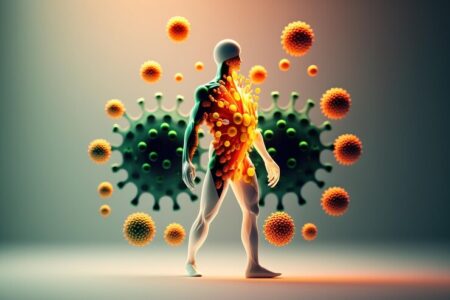
Toxins are substances that can be harmful to the human body. They can enter the body through various means, including ingestion, inhalation, or absorption through the skin. Toxins can come from a wide range of sources, including pollution, certain medications, heavy metals, and even some of the foods we consume. These toxins, once inside the body, can disrupt normal bodily functions and, in some cases, interact with substances like uric acid.
To understand how toxins can enter uric acid metabolism, we must first recognize the role of the liver and kidneys in uric acid regulation. The liver is responsible for breaking down purines into uric acid, which is then transported to the kidneys for excretion. According to Dr. Chris, when toxins enter the body, the liver’s detoxification processes may become overwhelmed, causing it to focus on processing and eliminating these toxins rather than uric acid. This can lead to an increase in uric acid levels.
“Some toxins can directly affect the kidneys, impairing their ability to excrete uric acid efficiently. The kidneys filter the blood and remove waste products, including uric acid. However, when toxins accumulate in the kidneys, they can disrupt this process, resulting in the reabsorption of uric acid back into the bloodstream, exacerbating hyperuricemia,” says Dr, Chris.
Common Toxins that Impact Uric Acid Levels
1. Lead
Lead is a highly toxic heavy metal that can find its way into the body through various sources, including contaminated water, old lead-based paints, and some imported consumer products. Lead exposure has been linked to increased uric acid levels. It interferes with the normal function of enzymes involved in uric acid metabolism. Lead exposure can lead to a significant increase in the risk of gout and other health complications. To reduce lead exposure, it is essential to avoid contact with lead-containing materials and regularly test water sources for lead contamination.
2. Alcohol
Alcohol consumption, particularly excessive and chronic use, is known to raise uric acid levels in the blood. Alcohol can impair the kidneys’ ability to excrete uric acid effectively, leading to a buildup in the body. Beer, in particular, is associated with higher uric acid levels due to its purine content and the way it affects the kidneys. It is advisable for individuals with gout or hyperuricemia to limit their alcohol intake or avoid it altogether.
3. Smoking
Cigarette smoke contains various harmful toxins, and it has been found to influence uric acid levels. Smoking can reduce the excretion of uric acid from the body, leading to higher concentrations in the blood. Furthermore, smoking is a known risk factor for gout. Quitting smoking is not only beneficial for uric acid levels but also for overall health and well-being.
4. Pesticides and Herbicides
Pesticides and herbicides, commonly used in agriculture, can contain chemicals that affect uric acid levels. Some of these chemicals disrupt the body’s ability to metabolize and excrete uric acid efficiently. Consuming foods that have been exposed to high levels of pesticides or herbicides can lead to elevated uric acid levels. Choosing organic produce or properly washing conventionally grown fruits and vegetables can help reduce exposure to these toxins.
5. Air Pollution
Air pollution is a complex mixture of various toxic compounds, including fine particulate matter and volatile organic compounds. Studies have shown a connection between high levels of air pollution and increased uric acid levels in the blood. Prolonged exposure to air pollution can have various adverse health effects, including the development of gout. To reduce exposure, individuals should stay informed about local air quality and take appropriate measures, such as staying indoors on days with poor air quality and using air purifiers.
6. Pharmaceuticals
Certain medications, such as diuretics and some chemotherapy drugs, can disrupt the body’s uric acid balance. Diuretics, in particular, can lead to increased uric acid levels by reducing the excretion of uric acid through urine. It’s crucial for individuals taking such medications to consult their healthcare providers and monitor their uric acid levels regularly.
Effects of High Levels of Toxins in Uric Acid
Under normal circumstances, uric acid is excreted from the body through urine without causing harm. However, when uric acid levels become excessively high, it can lead to a condition known as hyperuricemia. Dr. Chris says high levels of uric acid can have several detrimental effects on the body, including the accumulation of toxins and the development of painful conditions such as gout. Let us explore the effects of high levels of toxins in uric acid and the potential health consequences associated with this condition.
1. Gout
One of the most well-known consequences of elevated uric acid levels is the development of gout. Gout is a painful and inflammatory joint condition that typically affects the big toe but can also target other joints in the body. High levels of uric acid can lead to the formation of urate crystals, which accumulate in the joints, causing intense pain, redness, and swelling. These crystals can act as a source of toxins within the body, contributing to the discomfort associated with gout.
2. Kidney Stones
Elevated uric acid levels can also lead to the formation of uric acid kidney stones. These stones can develop when uric acid crystallizes in the kidneys, forming solid masses that can block the urinary tract. Kidney stones are not only extremely painful, but they can also lead to complications such as urinary tract infections and kidney damage. The presence of uric acid crystals in the urinary tract can introduce toxins into this sensitive system, potentially causing harm over time.
3. Cardiovascular Health
Recent research has suggested a potential link between high levels of uric acid and cardiovascular health. Some studies have shown that elevated uric acid levels may be associated with an increased risk of heart disease and hypertension. While the exact mechanisms behind this connection are not fully understood, it is thought that the presence of uric acid crystals in blood vessels may contribute to inflammation and oxidative stress, which can damage the cardiovascular system. These effects can introduce toxins into the bloodstream, making the relationship between uric acid and heart health an area of ongoing study.
4. Inflammation
High levels of uric acid can also contribute to a state of chronic inflammation in the body. Inflammation is the body’s natural response to injury or illness, but when it becomes chronic, it can lead to various health problems. Uric acid crystals in the joints and tissues can trigger an immune response, causing inflammation and further damage to affected areas. Inflammation itself can introduce toxins and may intensify other health conditions, such as diabetes, arthritis, and autoimmune diseases.
5. Metabolic Syndrome
Some studies have suggested a link between hyperuricemia and metabolic syndrome, a collection of conditions that increase the risk of heart disease, stroke, and type 2 diabetes. Metabolic syndrome includes high blood pressure, high blood sugar, excess body fat around the waist, and abnormal cholesterol levels. High levels of uric acid may contribute to the development of metabolic syndrome by promoting insulin resistance and increasing inflammation within the body.
6. Non-Alcoholic Fatty Liver Disease (NAFLD)
Non-alcoholic fatty liver disease (NAFLD) is a condition in which excess fat accumulates in the liver, potentially leading to inflammation and liver damage. Emerging evidence indicates that high levels of uric acid might be a risk factor for the development and progression of NAFLD. This link underscores the importance of monitoring uric acid levels in individuals with liver-related concerns.
Minimizing Toxin-Induced Uric Acid Imbalance
To minimize toxin-induced uric acid imbalance, it is important to adopt a holistic approach that focuses on reducing toxin exposure and supporting your body’s natural detoxification mechanisms.
1. Maintain a Balanced Diet
• Avoid or limit foods high in purines, such as red meat, organ meats, and some seafood.
• Opt for a plant-based diet rich in vegetables, fruits, whole grains, and legumes to help maintain a healthy uric acid balance.
• Drink plenty of water to aid in flushing out toxins and maintaining kidney function.
2. Reduce Toxin Exposure
• Avoid or limit consumption of processed foods high in additives, preservatives, and artificial sweeteners.
• Minimize alcohol consumption, as it can contribute to uric acid production and hinder its excretion.
• Reduce exposure to environmental toxins by staying in well-ventilated areas and using air purifiers if necessary.
3. Support Liver and Kidney Health
A healthy liver and kidney function are crucial for detoxifying the body. Support these organs by maintaining a healthy weight and avoiding excessive consumption of alcohol and over-the-counter pain relievers.
Consult a healthcare professional before taking any herbal supplements or medications that claim to detoxify the liver or kidneys.
4. Manage Stress
Chronic stress can weaken the body’s defenses against toxins. Engage in stress-reduction practices like meditation, yoga, or mindfulness to support overall health.
5. Stay Active
Regular physical activity can help the body eliminate toxins through sweat and promote overall well-being.
6. Consult a Healthcare Professional
If you have a history of gout or other uric acid-related conditions, consult a healthcare professional for personalized advice and monitoring.
Other ways include:
Exercise Regularly: Regular physical activity can aid in detoxification by promoting sweat production and improving overall circulation.
Limit Processed Foods: Processed foods often contain high levels of additives, preservatives, and other chemicals. Reducing their consumption can help minimize toxin exposure.
Stay Hydrated: Drinking an adequate amount of water helps the kidneys flush out toxins and maintain a healthy uric acid balance.
Toxin-induced uric acid imbalance can have a significant impact on overall health. While we cannot completely avoid all toxins in our environment, adopting a healthy lifestyle and following the recommendations mentioned above can help minimize the risks associated with toxin-induced hyperuricemia. By taking proactive steps to reduce toxin exposure and support your body’s natural detoxification processes, you can maintain a healthier uric acid balance and reduce the risk of associated health problems.
Dr. Christopher Wambui is the CEO of Health-Link Natural Clinic. He is a proficient herbal practitioner with honors from the Himalaya Company and Patanjali Company, in India. He is also in partnership with Kenya Medical Research Institute offering services in genetic counseling, infertility treatment, Ulcers, gastritis, low testosterone levels, and prostate cancer. For booking a medical appointment call +254721500900.




Hello Guys, Glad to Join! :)
Thank you. You are most welcome and do you have any health related concern that you would like us to help you
hi
I love listening to you at kameme.very educative.kindly assist :-
1.why do i get severe heartburns after taking cold water/bread
2.why do i fell so weak after taking cakes
thanks for good job
thanks for your support…it would be much better if you visited any of our clinic, where are you currently or also you can call or sms us on 0721500900 or 0731500900