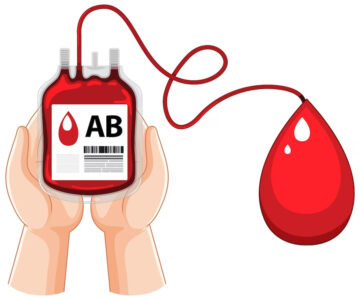
“Our blood carries the history of our ancestors, the dreams of our parents, and the hopes of our children.”
Blood is the lifeline of the human body, performing essential functions like transporting oxygen, nutrients, and waste products. Often referred to as the life-giving fluid within our bodies, it is a remarkable fluid comprising roughly 7-8% of a person’s body weight. It is a mixture of cells, proteins, and other components that circulate throughout the body, ensuring its proper functioning.
Not all blood is the same. Blood types classify blood so healthcare providers can determine whether one person’s blood is compatible with another’s. Blood transfusions and organ transplants depend on donors and recipients having compatible blood types. Blood types include A, B, AB, and O.
One critical aspect of blood grouping is understanding individual health risks. Blood Group AB, often referred to as the universal recipient, holds a special place in the world of medicine due to its unmatched versatility and advantages. Its ability to receive blood from donors of any blood type makes it a vital asset in emergency situations, organ transplantation, and blood donation.
In this article, we will delve into the intricacies of blood group AB, including its traits, health implications, and compatibility.
Blood Type AB Inheritance
When two parents with different blood types have a child, the child’s blood type is determined by the combination of alleles they inherit from their parents. Let’s consider some examples:
- If both parents have blood type A (AO) and blood type B (BO) alleles, their child could potentially inherit an AO or BO allele, resulting in a child with blood type A or B, respectively.
- If one parent has blood type A (AO) and the other has blood type B (BO), their child could inherit an AO and BO allele, resulting in blood type AB.
- If both parents have blood type O (OO) alleles, their child will inherit an O allele, and thus, have blood type O.
It’s important to note that an individual’s blood type is determined by their specific combination of inherited alleles, and this genetic information is present from birth.
What is the importance of having Blood Group AB?
Blood Group AB is characterized by the presence of both A and B antigens on the surface of red blood cells. “These antigens are proteins that determine blood type and can trigger immune responses if they are mismatched during transfusions. In addition to A and B antigens, Blood Group AB individuals lack antibodies against A and B antigens, making them universal recipients of blood transfusions, as they can receive blood from any ABO blood type without experiencing a severe reaction,” says Doctor Christopher Wambui, a certified genetic counselor and CEO of Health-Link Natural Clinic.
The following reasons highlight the importance of Blood Group AB:
- Universal Recipient
One of the most significant advantages of Blood Group AB is its universal recipient status. Individuals with this blood type can receive transfusions from any other blood type—A, B, AB, or O—without experiencing an immediate adverse immune response. According to Dr. Chris, this flexibility is crucial in emergency situations when there may not be enough time to determine the patient’s precise blood type before administering a transfusion. In such cases, Blood Group AB can be a lifesaver
- Blood Plasma and Platelet Donations
While Blood Group AB individuals can receive blood from anyone, they also have a unique role as universal plasma donors. The plasma in their blood type contains no ABO antibodies, making it valuable for patients with different blood types. Additionally, their platelets are in high demand because they are compatible with all other blood types, making Blood Group AB donors indispensable in medical treatments like chemotherapy and organ transplants.
- Potential Health Implications
Recent research has suggested that blood type may influence vulnerability to certain diseases. While more studies are needed to establish conclusive links, some preliminary findings have suggested that Blood Group AB individuals may have a lower risk of developing certain types of heart disease and blood clots. However, it’s important to note that these findings are still being investigated, and many factors contribute to overall health.
- Compatibility in Organ Transplants
When it comes to organ transplants, compatibility plays a critical role in the success of the procedure. Blood Group AB individuals have the advantage of being potential recipients for organs from both Blood Group A and B donors, expanding their chances of finding a suitable match. This can significantly reduce the waiting time for organ transplantation and improve the overall success rate of these life-saving procedures.
Understanding the Characteristics of Blood Group AB
Blood Group AB is a fascinating and unique blood type that carries distinct characteristics. Its status as the universal recipient is particularly noteworthy, making individuals with AB blood type valuable in blood donation scenarios.
- A Blend of A and B: Blood Group AB is defined by the presence of both A and B antigens on the surface of red blood cells. This unique combination is a result of inheriting one A allele from one parent and one B allele from the other. As a result, individuals with Blood Group AB possess both A and B antigens, making their blood type universally compatible for receiving blood transfusions from donors of any ABO blood group
- The Universal Recipient: One of the most significant advantages of having Blood Group AB is its universal recipient status. This means that individuals with Blood Group AB can safely receive blood from donors of any ABO blood type (A, B, AB, or O) without risking adverse transfusion reactions.
- Rare and Unique: Blood Group AB is relatively rare compared to the other ABO blood groups. It is estimated that only about 5-7% of individuals in Kenya have Blood Group AB. Its rarity adds to its uniqueness, and those with AB blood can sometimes take pride in being part of a more exclusive club.
- Tolerance and Compatibility: Blood Group AB individuals tend to have a greater degree of tolerance when it comes to consuming various types of foods. Since they carry both A and B antigens, they often have fewer issues with food allergies or intolerances related to those specific antigens.
- Compatibility in Pregnancy: Blood Group AB individuals can also have a unique advantage during pregnancy. If an expectant mother has Blood Group AB, she will not produce anti-A or anti-B antibodies, even if her baby’s father has a different ABO blood type. As Per Dr. Chris, this can reduce the risk of hemolytic disease in the newborn, a condition in which maternal antibodies attack the red blood cells of the developing fetus, which is more common in pregnancies with ABO blood group incompatibility.
- Blood Donation and Organ Transplants: Although Blood Group AB individuals can receive blood from anyone, Dr. Chris says these people have limited options when it comes to donating blood. Their plasma may contain both anti-A and anti-B antibodies, which can pose compatibility issues for recipients with other blood types. However, they are valuable donors for individuals with Blood Group AB, as they can provide plasma and platelets, which are often in high demand.
Characteristics of People with Blood Group AB
Blood Group AB is unique, and individuals with this blood type are often associated with distinct characteristics that set them apart. While scientific research does not conclusively support the idea that blood types determine personality traits, Dr. Chris believes that there are some fascinating insights into the characteristics of people with Blood Group AB. The personality traits associated with Blood Group O include:
- The Enigmatic Mix
Blood Group AB is often referred to as the “enigmatic” or “universal recipient” blood type because it is a result of inheriting both A and B alleles from their parents. This genetic mixture is thought to contribute to the complex and adaptable nature of individuals with this blood type. They tend to be open-minded, flexible, and accepting of various perspectives, which can make them excellent team players and problem solvers.
- Strong Sense of Empathy
People with Blood Group AB are often noted for their heightened sense of empathy. They have a natural ability to understand and relate to the emotions of others, making them excellent friends and confidants. Their compassionate nature allows them to provide emotional support and guidance to those in need.
- Tendency for Ambiguity
The mix of A and B antigens on their red blood cells is thought to contribute to a certain level of ambiguity in the personalities of individuals with Blood Group AB. They can exhibit traits from both Type A and Type B blood groups, making them adaptable but also somewhat enigmatic. This adaptability can lead to a sense of complexity, as they may struggle to fit into traditional categories.
- Creativity and Innovation
It is believed that the flexibility and adaptability of Blood Group AB individuals extend to their thinking processes. They often display creative thinking and innovative problem-solving skills. This ability to approach challenges from various angles can make them valuable assets in creative and technical fields.
- Prone to Stress
While Blood Group AB individuals possess many admirable traits, they may also be prone to stress and anxiety. Their empathetic nature can lead to taking on the emotional burdens of others, potentially causing stress and burnout. Learning to manage stress effectively is crucial for their well-being.
- Health Considerations
Research into the potential health associations with Blood Group AB is ongoing, but some studies suggest that individuals with this blood type may have a slightly increased risk of certain health conditions. It’s important to note that blood type alone is not a definitive predictor of health, and genetics, lifestyle, and other factors play significant roles in one’s overall health.
Compatibility Guide: Who Should People with Blood Group AB Marry?
Blood group compatibility in relationships is a topic that has gained attention over the years, primarily due to its potential impact on the health of a couple’s offspring. People with Blood Group AB possess a unique set of characteristics that can influence their compatibility with individuals of different blood groups. When it comes to marriage and potential family planning, there are important considerations to keep in mind.
- Blood Group AB: People with Blood Group AB are generally compatible with partners who share the same blood group (AB). This compatibility stems from the lack of antibodies in their blood, reducing the likelihood of blood-related complications during pregnancy.
- Blood Group A or B: Marrying someone with Blood Group A or B can also be a suitable choice. These unions generally have fewer complications compared to combinations involving Rh factor incompatibility. However, individuals with Blood Group AB should discuss potential pregnancy-related issues with their healthcare provider to ensure a safe pregnancy and childbirth.
- Blood Group O: While marriages between individuals with Blood Group AB and O are less common, they can work well with proper planning and healthcare guidance. Since Blood Group AB individuals can receive blood from type O, this compatibility can have benefits in times of medical emergencies.
- Rh Compatibility: The Rh factor, or Rhesus factor, is another important consideration when choosing a life partner. Blood Group AB individuals can marry someone who is Rh-positive or Rh-negative without significant concern.
Who Blood Group AB Should Not Marry
- Blood Group O: Marrying someone with Blood Group O can pose challenges when it comes to potential blood incompatibility issues during pregnancy. Blood Group O individuals have antibodies against both A and B antigens, which can lead to hemolytic disease of the newborn if the baby inherits the A or B antigen from the Blood Group AB parent.
- Compatibility beyond Blood Type: It’s important to remember that blood type compatibility is just one aspect of a successful marriage. Personality, values, communication, and emotional compatibility are far more crucial in determining a lasting and fulfilling relationship.
Health Considerations and Genetic Factors:
While blood type compatibility can be a consideration, it’s essential to note that modern medicine has advanced significantly, and medical interventions are available to manage potential blood incompatibility issues during pregnancy. This includes monitoring and treatment to ensure the health and safety of both the mother and the baby.
What Should People With Blood Group AB Eat?
Did you know that some people believe your blood type can influence your dietary needs and health outcomes? This idea is at the core of the Blood Type Diet, which suggests that your blood type can dictate what foods are best for you. Dr. Chris proposes that your blood type determines how your body digests food and how it reacts to various nutrients. According to him, Blood Type AB individuals are considered to have a mix of characteristics from Blood Types A and B, and they should consume a balanced diet that includes a variety of foods.
What to eat:
- Lean Proteins: Blood Type AB individuals are recommended to incorporate lean sources of protein into their diet. These include poultry, fish, and legumes. These proteins are believed to be easily digested and well-tolerated by individuals with this blood type.
- Dairy Products: Moderate consumption of dairy products is suggested for Blood Type AB. Opt for low-fat or non-fat dairy options such as yogurt, and certain cheeses. Dairy is considered a good source of calcium and protein for this blood type.
- Fruits and Vegetables: Blood Type AB individuals are encouraged to consume a wide variety of fruits and vegetables. Some fruits and vegetables are believed to be particularly beneficial, such as green leafy vegetables, broccoli, and berries. These foods provide essential vitamins, minerals, and antioxidants.
- Grains: Whole grains like rice, oats, and quinoa are recommended for individuals with Blood Type AB. These grains are considered easy to digest and can provide sustained energy.
- Seafood: Fish such as salmon and mackerel are considered highly beneficial for Blood Type AB due to their potential anti-inflammatory properties. Seafood is a good source of omega-3 fatty acids.
- Green Tea: Green tea is often suggested for its potential health benefits, including antioxidant properties. Blood Type AB individuals may benefit from incorporating green tea into their daily routine.
What to Avoid or Limit
- Red Meat: The Blood Type Diet advises individuals with Blood Type AB to limit their consumption of red meat, as it is believed to be less easily digested and may lead to digestive issues.
- Processed and Sugary Foods: Like individuals with other blood types, those with Blood Type AB should minimize their intake of processed and sugary foods, as these can contribute to weight gain and other health issues.
- Caffeine and Alcohol: Excessive caffeine and alcohol consumption should be avoided. Blood Type AB individuals may be more sensitive to the effects of caffeine and alcohol.
- High-Fat Dairy: Full-fat dairy products are best consumed in moderation, as they can contribute to weight gain and may not be as well-tolerated.
It is essential to consult with a healthcare professional or registered dietitian before making significant dietary changes to ensure that they align with your individual health needs and goals. Ultimately, the best diet is one that is balanced, nutritious, and sustainable for your unique body and lifestyle. Dr. Christopher Wambui is the CEO of Health-Link Natural Clinic. He is a proficient herbal practitioner with honors from the Himalaya Company and Patanjali Company, in India. He is also in partnership with Kenya Medical Research Institute offering services in genetic counseling, infertility treatment, Ulcers, gastritis, low testosterone levels, and prostate cancer. For booking a medical appointment call +254721500900