Stomach pain is one of the most ignored health complaints in the world. Many people live with daily burning, bloating, or nausea, dismissing it as gas or hunger pangs. But when the stomach lining becomes inflamed, the problem is no longer minor. It starts small, with a slight burn after eating, some nausea that you brush off, and you take a painkiller to “calm the stomach.” Weeks later, you can’t eat in peace. That slow, familiar pain many live with has a name: gastritis.
What Is Gastritis?
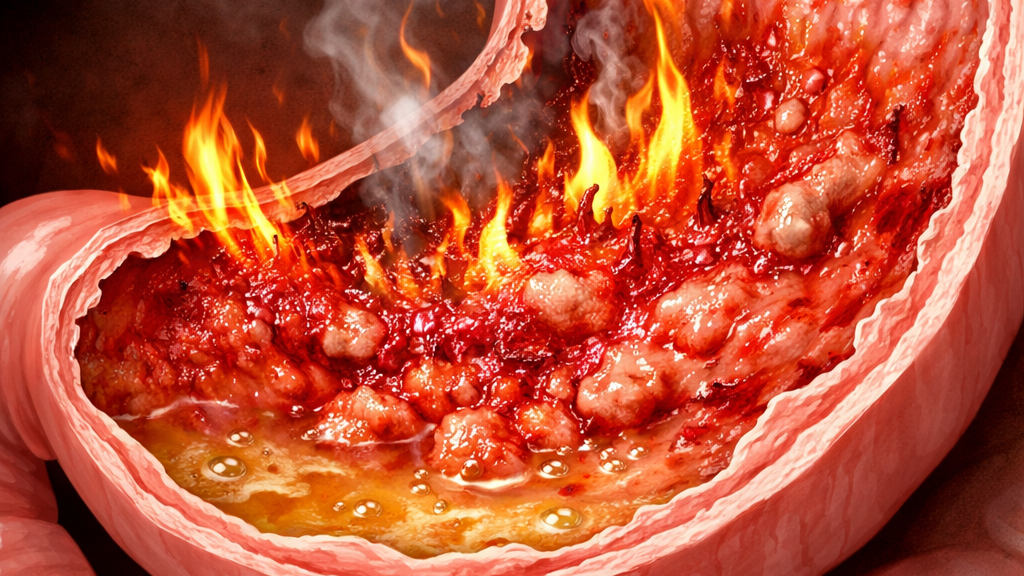
Gastritis is a medical condition where the lining of the stomach wall, called the mucous membrane, becomes inflamed or irritated. This lining normally protects the stomach from strong acid used to digest food. When it gets damaged, the acid starts irritating the gut itself, leading to pain, burning, bloating, nausea, and discomfort after eating.
Gastritis can develop suddenly (acute) or slowly over time (chronic). Many people mistake it for gas or ordinary indigestion, but untreated gastritis can worsen and lead to stomach cancer.
What Causes Gastritis?
For most people, common causes are tied to everyday habits and infections that many people overlook. However, the leading cause is Helicobacter pylori (H. pylori), a bacterium commonly spread through contaminated food or water. This infection slowly damages the stomach lining and, if untreated, can lead to ulcers. Another major cause is frequent use of painkillers such as ibuprofen, diclofenac, or aspirin, especially when taken on an empty stomach. These drugs strip away the stomach’s natural protection.
Alcohol consumption is another big trigger, as it directly irritates the stomach lining. Skipping meals, eating very spicy or acidic foods, drinking a lot of strong tea, coffee, or soda, and living under constant stress also increase stomach acid and worsen irritation. In some cases, serious illness, severe infections, or trauma can trigger gastritis.
When To See a Doctor?
Many people delay going to the hospital, hoping stomach pain will go away. That delay can be risky. You should see a doctor if stomach pain, burning, bloating, or nausea lasts more than a few days or keeps coming back despite using antacids or home remedies.
Seek medical attention immediately if you experience severe stomach pain, vomiting blood, or passing black stools. These are danger signs of bleeding in the stomach. Also see a doctor if you feel dizzy, weak, or unusually tired, as this may indicate blood loss or anemia.
If gastritis symptoms are interfering with eating, sleep, or daily work, that is not normal. Repeated painkiller use, frequent alcohol intake, or a history of ulcers are also strong reasons to get checked.
If you are experiencing ongoing stomach discomfort or have been diagnosed with gastritis, our clinic, Health-Link Natural Clinic, offers medical consultations and follow-up care under the supervision of Dr. Chris. We focus on accurate diagnosis and appropriate treatment plans. It is important to seek early diagnosis and proper treatment, as this is much more affordable and safer than waiting for the condition to progress into an ulcer or a medical emergency.
How Is Gastritis Treated?
Treatment of gastritis depends on the cause and severity of the condition. The first step is proper medical assessment, which may include reviewing symptoms, medical history, and relevant tests. Where H. pylori infection is confirmed, treatment usually involves a combination of prescribed antibiotics and acid-reducing medication.
For non-infectious gastritis, doctors may prescribe acid-suppressing medicines to allow the stomach lining to heal and advise stopping or adjusting painkillers that irritate the stomach. Lifestyle and dietary changes, such as avoiding alcohol, smoking, spicy foods, and skipping meals, are also an important part of recovery.
Self-medication is discouraged. Using random drugs or repeatedly taking antacids may mask symptoms without treating the underlying problem, allowing gastritis to worsen.
How Gastritis Is Managed at Our Clinic
At Health-Link Natural Clinic, gastritis is managed through medical consultations, accurate assessments, and appropriate treatment planning. Dr. Chris attends to patients presenting with gastritis symptoms and provides care based on clinical findings and established medical guidelines.
Management may include:
- Medical evaluation to identify possible causes of gastritis
- Appropriate prescriptions where indicated
- Guidance on diet, medication use, and lifestyle adjustments
- Follow-up care to monitor response to treatment
Pay attention to the warning signs your stomach may be sending you. If you experience regular burning, bloating, or nausea, it may be time to seek help. At our clinic, Dr. Chris offers professional assessment and management of gastritis, helping patients understand their condition and take steps toward relief. Schedule a consultation today for a thorough evaluation and personalized guidance tailored to your health needs. Early intervention can truly make a difference.