Imagine sitting through a meeting or at your desk and suddenly feeling a sharp, uncomfortable pain in your behind. Embarrassing? Absolutely. Common? Even more so. Talking about hemorrhoids is not something you would discuss over dinner, but if you have ever experienced itching, bleeding, or swelling around your bottom, it is time to stop suffering in silence. You deserve answers.
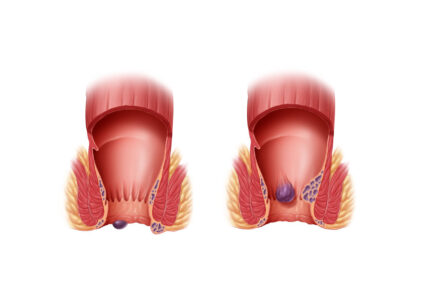
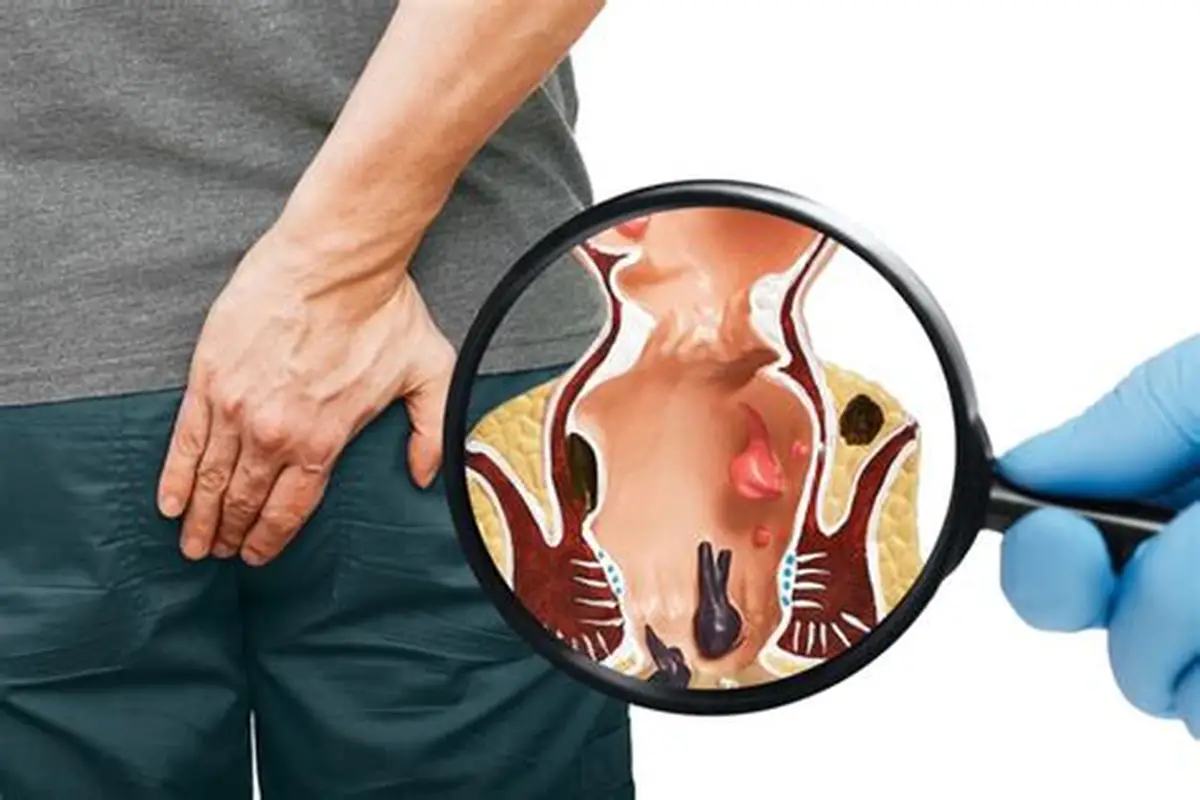
Hemorrhoids, commonly known as piles, are swollen veins in the lower part of the anus. They are similar to varicose veins you might see on the legs, but appear in the sensitive area around the bottom. Hemorrhoids can be internal, forming inside the rectum and often causing painless bleeding, or external, developing under the skin around the anus and sometimes causing pain, itching, or discomfort. They are very common and can affect anyone.
How Do People Get Hemorrhoids?
Here is how they usually develop, in simple terms:
- Straining on the toilet: Spending too long or pushing hard when passing stool increases pressure on rectal veins, causing them to swell.
- Low-fiber diets: Eating mostly refined foods without fruits, vegetables, and whole grains can lead to constipation, which triggers piles.
- Pregnancy: Increased pressure in the pelvic veins and hormonal changes make hemorrhoids common in pregnant women.
- Sitting for long periods: Desk jobs or long-distance driving put constant pressure on the rectal veins, leading to swelling.
Obesity or lack of exercise: Extra weight and weak pelvic muscles make the veins more prone to bulging.
Signs and Symptoms You Shouldn’t Ignore
Knowing the signs helps you act early:
- Pain or discomfort: Especially when sitting or during bowel movements.
- Itching or irritation: Around the anus due to swollen veins.
- Swelling or lumps: You may feel soft lumps around your bottom.
- Bleeding during stool: Bright red blood may appear on toilet paper or in the bowl—don’t ignore this.
- Mucus discharge: Some may notice a sticky discharge that irritates.
How Hemorrhoids Are Treated
- Home care for mild cases
- Avoid straining or sitting too long on the toilet.
- Drink plenty of water to keep stools soft.
- Eat more fiber-rich foods like kale, greens, fruits, beans, and whole grains.
- Take warm sitz baths to soothe discomfort.
- Medical treatment for persistent cases
- Topical creams and ointments reduce pain and swelling
- Minimally invasive procedures can shrink or remove stubborn hemorrhoids
- Surgical options are available for severe or recurrent cases.
At Health-Link Natural Clinic, we combine modern medicine with natural therapies to treat hemorrhoids safely. We focus on relieving pain, stopping bleeding, and preventing recurrence with dietary advice and natural remedies.
Preventing Hemorrhoids: Simple Steps That Work
- Increase fiber intake with vegetables, fruits, and legumes.
- Drink at least 2–3 liters of water daily.
- Avoid sitting or standing for long periods—move around often.
- Go to the toilet as soon as you feel the urge; don’t wait.
- Maintain a healthy weight through diet and exercise.
Don’t let hemorrhoids control your life. Visit Health-Link Natural Clinic today for a discreet, professional, and effective treatment plan. Relief is closer than you think!