Inside your body, a small muscle is meant to keep stomach acid where it should be. When this system fails, acid can rise, causing pain and discomfort in your daily life. If you find yourself frequently swallowing back sour liquid, sleeping propped up on pillows, or avoiding specific foods due to discomfort, your body is signaling that something is wrong. One possible cause of this issue is a hiatus hernia.
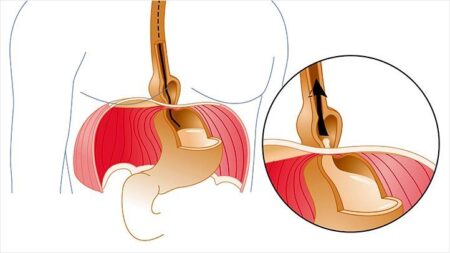
A hiatus hernia happens when part of the stomach pushes up into the chest through a small opening in the diaphragm. The diaphragm is the muscle that separates your chest from your abdomen. It has a small opening (called the hiatus) where the food pipe (esophagus) passes through to connect to the stomach. When the stomach bulges through this opening, it forms a hiatus hernia.
It’s like part of your stomach sneaking into the wrong room. This condition is quite common, especially as people get older, and it often goes unnoticed if it’s small.
Types of Hiatus Hernia
There are four main types, but they’re grouped into two categories for simplicity:
- Sliding Hiatus Hernia (Type 1): This is the most common, making up about 95% of cases. Here, both the top of your stomach and the lower part of your esophagus slide up through the hiatus. It often moves back and forth, like sliding in and out.
- Paraoesophageal Hiatus Hernia (Types 2-4): These are less common but more serious. Part of the stomach swells next to the esophagus, while the connection between the esophagus and stomach stays in place. In advanced cases (Type 3 or 4), larger parts of the stomach or even other organs might push through, which can lead to complications.
What is Hiatal Hernia Pain Like?
Hiatal hernia pain is typically experienced as a burning or pressure-like discomfort in the chest, especially after eating or when lying down. Many people describe it as persistent heartburn that can radiate from the upper abdomen to the middle of the chest. The sensation may feel like tightness, fullness, or a dull ache rather than a sharp pain. In some instances, the discomfort becomes more intense after large meals, bending over, or at night. It may also be accompanied by symptoms such as acid reflux into the throat, frequent burping, or difficulty swallowing.
What Causes It?
A hernia can occur when there’s a weak spot in the tissues that separate different compartments of the body. This weak area creates an opening through which a hernia can emerge. A hiatal hernia, in particular, occurs through an existing opening known as the esophageal hiatus, where the esophagus passes through the diaphragm. This opening only needs to widen slightly for a hiatal hernia to develop. Some common factors that can increase abdominal pressure and contribute to the formation of hiatal hernias include:
- Vomiting, or straining during bowel movements due to constipation from low-fiber diets.
- Straining: Chronic coughing (common with respiratory issues in dusty environments)
- Pregnancy: The growing baby puts pressure on the abdomen, a common issue for many mothers.
- Obesity: Extra weight around the belly weakens muscles; with rising obesity rates in urban areas, this is a growing concern.
- Age: It’s more common after 50, as muscles naturally weaken.
- Other Factors: Smoking (which relaxes muscles), injuries, or even being born with a larger hiatus.
Symptoms of Hiatus Hernia
Many small hernias cause no symptoms at all; you might not even know you have one. But when they do, they’re often related to acid reflux (when stomach acid flows back into the esophagus). Common signs include:
- Heartburn: A burning feeling in your chest, especially after eating spicy foods like pilau or bending over.
- Regurgitation: Food or sour liquid coming back up into your mouth.
- Chest pain: Can feel like a heart attack, but it’s usually from acid irritation.
- Difficulty swallowing: Feels like food is stuck.
- Burping, nausea, or vomiting.
Rarely, chronic anemia from slow bleeding in large hernias.
How Serious is a Hiatal Hernia?
In most cases, a hiatal hernia is not life-threatening and can be managed effectively with lifestyle changes and medication we offer here at Health-Link Natural Clinic. Many people live with it for years without major complications. However, it should not be ignored. Persistent acid reflux caused by a hiatal hernia can damage the lining of the oesophagus over time, leading to inflammation, ulcers, narrowing of the food pipe, or a condition called Barrett’s oesophagus, which slightly increases the risk of cancer.
Hiatus Hernia and Weight
Excess abdominal fat increases pressure on the stomach. This is why:
- Overweight individuals have a higher risk.
- Weight loss significantly improves symptoms.
Even losing 5–10% of body weight can reduce reflux symptoms.
Hiatus Hernia and Pregnancy
Pregnancy increases abdominal pressure, making symptoms worse. Most cases improve after delivery.
Pregnant women should:
1: Avoid heavy, spicy meals
2: Eat small meals
3: Sleep with head elevated
How is Hiatus Hernia Diagnosed?
If you suspect a hiatus hernia, visit us at Health-Link Natural Clinic; we won’t diagnose it just from symptoms. We recommend common tests, including:
Barium Swallow X-ray: You drink a chalky liquid, and X-rays show your digestive tract.
Endoscopy: A thin tube with a camera is inserted down your throat to view the esophagus and stomach.
Esophageal Manometry: Measures muscle contractions in your esophagus.
pH Monitoring: Checks acid levels in your esophagus over 24 hours.
Treatment Options for Hiatus Hernia
Treatment depends on severity. Most cases don’t need surgery and can be managed with lifestyle changes and meds.
1. Lifestyle Changes
- Eat smaller, more frequent meals instead of large ones.
- Avoid lying down for at least 3 hours after eating.
- Elevate the head of your bed by 6-8 inches to reduce nighttime reflux.
- Lose weight if overweight; even a small drop can help.
Quit smoking and limit alcohol, caffeine, chocolate, and spicy foods
2. Dietary Changes (Very Important)
Avoid trigger foods such as:
-Citrus fruits (for some people)
-Very spicy foods
-Fried foods
-Fatty roasted meat
-Processed meats
-Carbonated drinks (soda)
-Strong tea and coffee
-Chocolate
Better food choices:
-Oats
-Brown ugali
-Kales (lightly cooked)
-Boiled foods instead of fried
-Lean meats
-Bananas
-Sweet potatoes
-Arrowroots
-Plenty of water (small sips, not large amounts at once)
3: Medication
- Antacids
- H2 blockers (reduce acid production)
- Proton Pump Inhibitors
- Prokinetics (help stomach empty faster)
4: Surgery
Surgery is considered when:
- Medication fails
- Symptoms are severe
- There are complications
- Para-esophageal hernia is present
The common procedure is called fundoplication. This is wrapping the top of the stomach around the esophagus to prevent reflux. This is often laparoscopic (keyhole surgery), with quicker recovery.
Do Hiatal Hernias Go Away?
Hiatal hernias do not simply go away on their own. Once part of the stomach has pushed through the diaphragm, it does not naturally move back permanently without medical intervention. However, the good news is that many people do not need surgery. Symptoms can often be well controlled through weight loss, dietary adjustments, smaller meals, avoiding lying down after eating, and acid-reducing medication. In mild cases, lifestyle changes can reduce symptoms so effectively that a person may feel completely normal. Surgery is only considered when symptoms are severe, persistent, or complications develop.
Prevention Tips
While you can’t always prevent a hiatus hernia, these steps reduce risks:
- Maintain a healthy weight through balanced diets—include more fruits, veggies, and fiber-rich foods to avoid constipation.
- Avoid heavy lifting or straining; use proper techniques if your job involves manual labor.
- Stay active with walks or traditional dances to keep your core strong.
- Quit smoking and manage chronic coughs promptly.
- Eat mindfully: smaller portions, chew well, and avoid late-night snacks.
When to Seek Medical Help
See a doctor if you have ongoing heartburn, chest pain, trouble swallowing, or unexplained weight loss. Don’t self-medicate long-term—over-the-counter antacids are fine short-term, but professional advice is key. Emergency signs like severe pain, vomiting blood, or black stools mean head to the nearest hospital immediately.
A Note From Health-Link Natural Clinic
You might discover a hiatal hernia during a visit to your healthcare provider for an unrelated issue. Hiatal hernias are quite common. If yours is small and doesn’t cause any problems, there is typically no cause for concern. However, some people may find out they have a hiatal hernia after experiencing years of worsening symptoms, which prompts them to seek answers and relief. You may be surprised to learn that a hernia could be the reason for your acid reflux.
The good news is that both acid reflux and hiatal hernias are treatable. The appropriate treatment will depend on the specifics of your hernia and the symptoms you are experiencing. In many cases, medication and lifestyle changes can effectively manage acid reflux. For more severe cases, surgery may be necessary to repair the hernia, and this procedure is generally very effective. Once you receive a clear diagnosis, you’ll be well on your way to finding relief from your symptoms. Call us on 0721500900