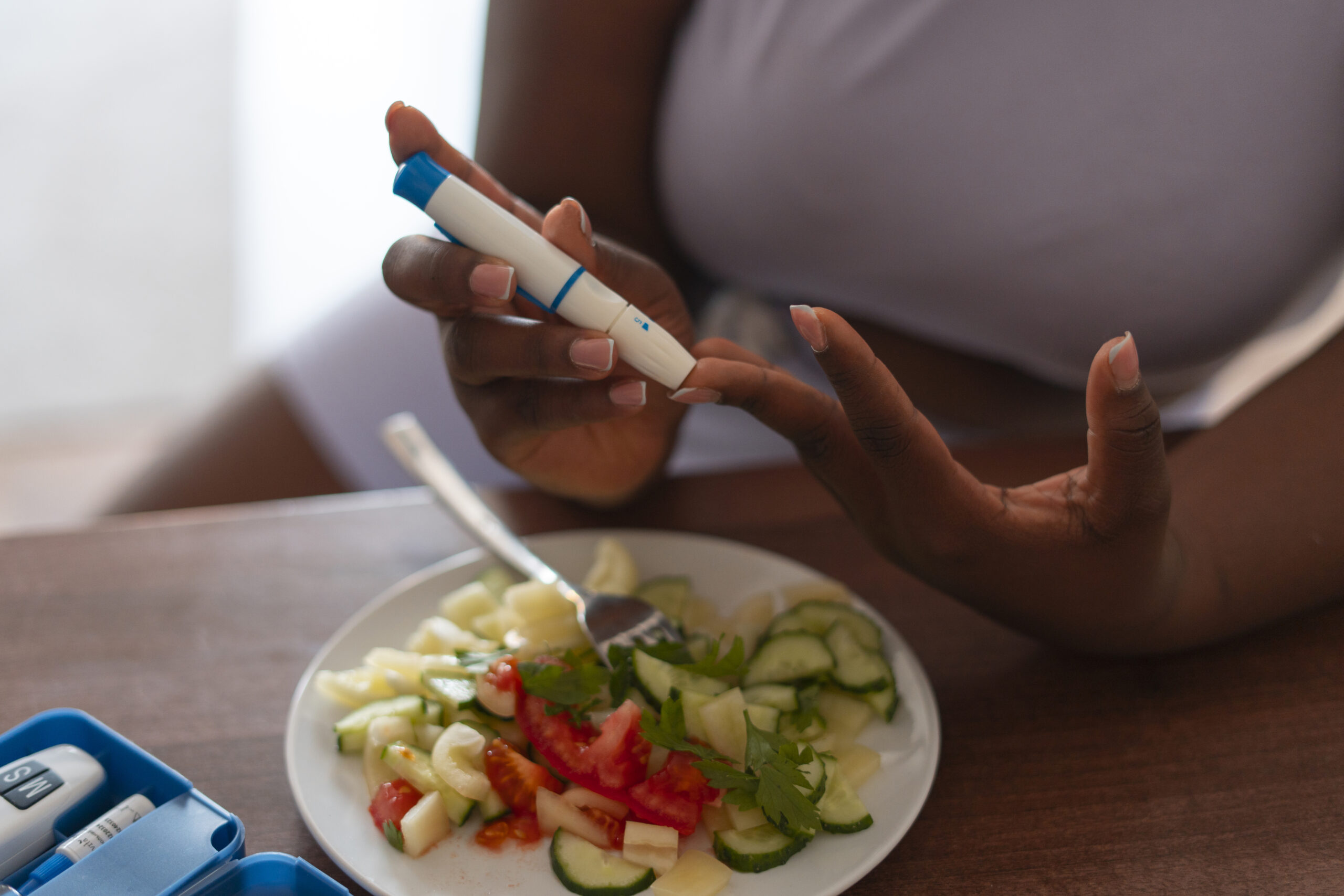
Diabetes does not require you to starve, eat bland food, or give up traditional Kenyan meals. The key issue is the speed at which sugar enters the bloodstream, rather than the food itself. Many common local foods, such as ugali, nduma, sweet potatoes, beans, greens, and fish, can be excellent for blood sugar control when consumed in the right portions and combinations.
The goal of a diabetic diet is simple:
slow down sugar absorption, keep energy steady, and avoid sharp glucose spikes. This weekly meal plan uses affordable Kenyan foods and follows one rule — every meal must contain fiber + protein + healthy fat + controlled carbohydrates.
How the Plan Controls Blood Sugar
Instead of eliminating carbohydrates, the plan replaces fast-acting carbs (white bread, mandazi, sugary tea, soda) with slow-release energy foods:
Millet porridge instead of sweetened tea and bread
Sweet potatoes and arrowroot instead of chips
Brown ugali or small ugali portions instead of large, refined portions
Beans, ndengu, and fish to slow sugar absorption
Greens like sukuma, kunde, terer,e and managu to reduce glucose spikes
Protein and fats — eggs, fish, chicken, groundnuts, and avocado — prevent hunger and stop sudden sugar crashes.
What a Typical Day Looks Like
Each day is divided into five eating times to keep blood sugar stable:
Breakfast: Slow energy foods such as millet porridge, oats, sweet potatoes or arrowroots plus eggs or peanut butter
Mid-morning snack: A single fruit with nuts
Lunch: Small starch portion + vegetables + protein
Afternoon snack: Mala, yoghurt, nuts or vegetables
Dinner: Light meal with vegetables and protein, minimal starch
Eating every 3–4 hours prevents both hyperglycemia and sudden weakness caused by sugar drops
Foods to Limit Strictly
For most diabetic patients in Kenya, the biggest problem is not ugali — it is liquid sugar and refined snacks:
Avoid or rarely take:
Sugary tea and cocoa
Soda and packaged juice
Mandazi, cakes and biscuits
White bread and large chapati portions
Chips and deep-fried snacks
These cause the fastest glucose spikes.
Why This Plan Works
The plan focuses on:
High fibre foods → slow digestion
Protein → steady energy
Healthy fats → reduce hunger
Smaller starch portions → prevent spikes
Frequent meals → stable glucose levels
With consistent use, many patients notice fewer sugar crashes, reduced fatigue, and improved readings.
Important Note
This plan is a general guide. Blood sugar responses differ depending on medication, activity level, and individual metabolism. Always monitor glucose and adjust portions accordingly with guidance from a healthcare professional.
Below Is a Table To Guide You Through