
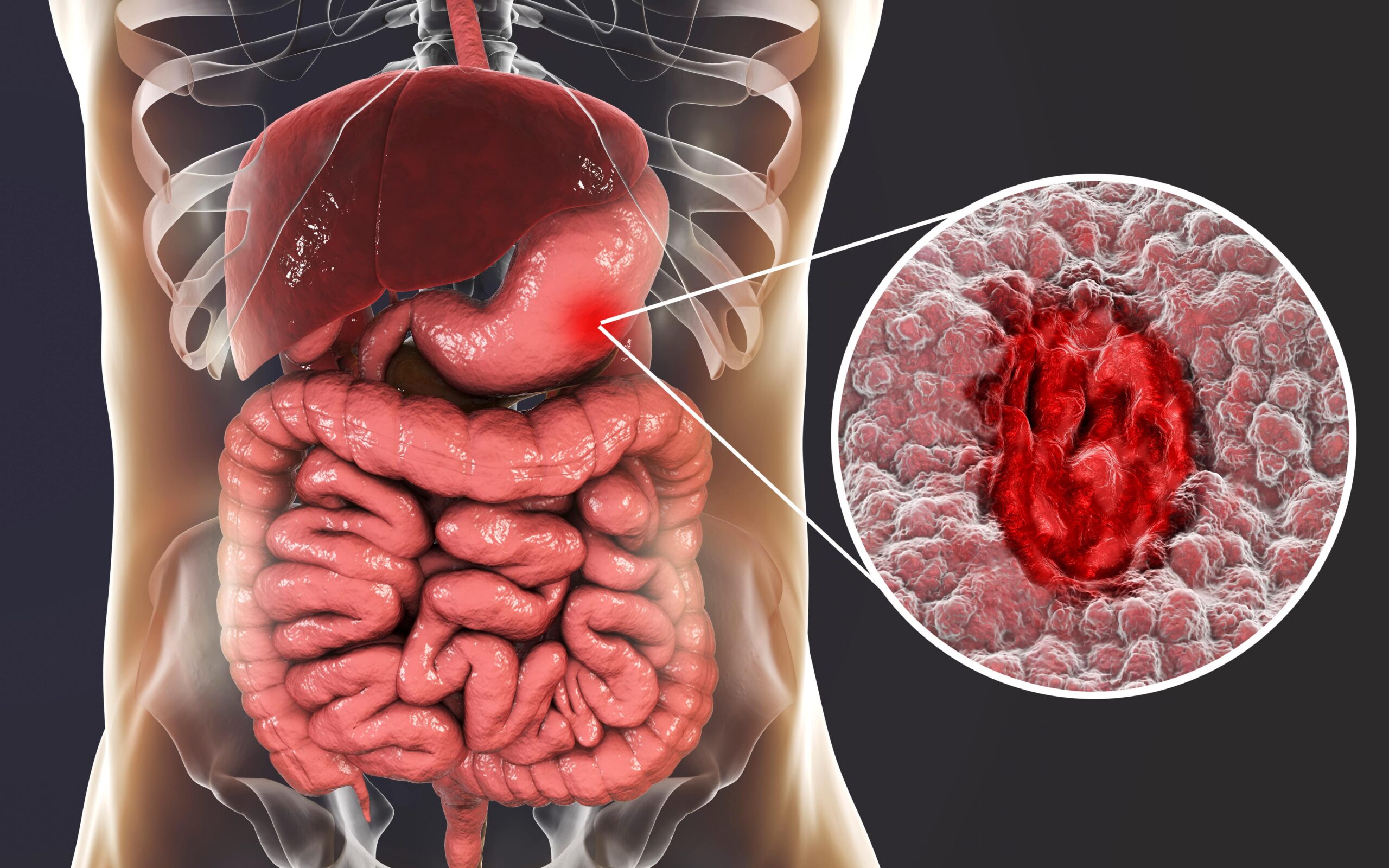
Ulcers in the stomach, commonly known as gastric ulcers or peptic ulcers, occur when there is damage to the lining of the stomach or the upper part of the small intestine, called the duodenum. These ulcers can be painful and are typically characterized by open sores or lesions in the mucous lining of the digestive tract. They can cause discomfort, pain, and even lead to serious complications if left untreated. Understanding how stomach ulcers are formed is crucial in preventing and managing this condition.
In this article, we will explore the causes and mechanisms behind the formation of stomach ulcers..
- The Role of H. Pylori Bacteria
One of the primary causes of stomach ulcers is infection with Helicobacter pylori (H. pylori) bacteria. These spiral-shaped bacteria can invade the mucous layer that protects the stomach lining from its own acidic juices. Once inside, H. pylori weakens the mucous layer and disrupts the stomach’s natural defense mechanisms, making it more susceptible to damage.
2. Excess Stomach Acid
The stomach produces hydrochloric acid, a powerful digestive fluid, to break down food. Normally, the stomach lining is equipped with a protective layer of mucus that shields it from the corrosive effects of this acid. However, various factors can lead to an overproduction of stomach acid, such as stress, certain medications, or specific dietary choices.
“Excessive acid production can overwhelm the protective mechanisms, causing damage to the stomach lining and potentially leading to ulcer formation,” says Dr. Christopher Wambui, a medical practitioner and CEO of Health-Link Natural Clinic.”
3. Nonsteroidal Anti-Inflammatory Drugs (NSAIDs)
Another common cause of stomach ulcers is the prolonged use of nonsteroidal anti-inflammatory drugs (NSAIDs), including aspirin, ibuprofen, and naproxen. These medications are widely used to relieve pain and reduce inflammation, but they can also irritate the stomach lining. NSAIDs can reduce the production of prostaglandins, which play a crucial role in maintaining the stomach’s protective barrier. As a result, long-term use of NSAIDs can increase the risk of ulcer development.
4. Smoking and Alcohol
Smoking and excessive alcohol consumption are both risk factors for stomach ulcers. Smoking can weaken the protective mucus layer in the stomach and increase the production of stomach acid, making the lining more susceptible to damage. Alcohol can irritate and erode the stomach lining directly, further increasing the risk of ulcers.
5. Severe physiological stress
Severe illness, burns, or injuries can produce stress ulcers in the stomach. Physiological stress changes your body’s PH balance, increasing stomach acid. Stress ulcers develop very quickly in response to stress, unlike normal stomach ulcers that develop gradually.
Symptoms of Ulcers
It’s essential to recognize the symptoms of ulcers early on to seek appropriate medical care and prevent complications. A number of symptoms are associated with stomach ulcers.
“The severity of the symptoms depends on the severity of the ulcer. The most common symptom is a burning sensation or pain in the middle of your abdomen between your chest and belly button,” states Dr. Chris. “Typically, the pain will be more intense when your stomach is empty, and it can last for a few minutes to several hours,” he adds.
Other common signs and symptoms of ulcers include:
- Burning Pain: One of the hallmark symptoms of ulcers is a burning or gnawing pain in the upper abdomen. This pain is typically located just below the breastbone and may come and go. It can vary in intensity and may last for minutes to hours. Eating or taking antacids may temporarily relieve the discomfort.
- Indigestion: Persistent indigestion or dyspepsia is a common symptom of ulcers. You may experience a feeling of fullness, bloating, or discomfort after eating, even when you consume small meals.
- Heartburn: Ulcers can also cause heartburn, a burning sensation in the chest that often occurs after eating or when lying down. This symptom is similar to gastroesophageal reflux disease (GERD), but it may not respond as well to antacids or acid-suppressing medications.
- Nausea and Vomiting: Some individuals with ulcers may experience nausea and vomiting, particularly if the ulcer is located in the stomach. Vomiting may sometimes contain blood or have a coffee-ground appearance, indicating bleeding.
- Unintended Weight Loss: Chronic ulcers can lead to unintended weight loss due to reduced appetite and discomfort while eating. If you notice a significant and unexplained drop in your weight, it’s crucial to consult a healthcare professional.
- Dark or Bloody Stools: Bleeding ulcers can lead to the passage of dark, tarry stools (melena) or stools that appear maroon or bloody. This is a serious symptom and requires immediate medical attention.
- Anemia: Chronic blood loss from an ulcer can lead to anemia, characterized by fatigue, weakness, and pale skin. If you experience these symptoms along with any of the other ulcer symptoms, consult a healthcare provider.
- Pain Relief with Antacids: Taking over-the-counter antacids can provide temporary relief from ulcer pain. If you find that antacids alleviate your discomfort, it may be an indication of an ulcer. However, this should not be considered a definitive diagnostic tool.
- Pain That Wakes You at Night: Ulcer pain often worsens at night and can wake you from sleep. If you experience nighttime pain in the upper abdomen, it may be a sign of an ulcer.
- Frequent Burping: Excessive burping or belching, especially when accompanied by some of the other symptoms mentioned, can be indicative of an ulcer.
Diagnosis and treatment will depend on your symptoms and the severity of your ulcer. To diagnose a stomach ulcer, your doctor will review your medical history along with your symptoms and any prescription or over-the-counter medications you’re taking. Most ulcers can be treated with a prescription from your doctor, but in rare cases, surgery may be required. Your doctor may also have suggestions for things you can do at home to relieve discomfort from your ulcer.
- Lifestyle and dietary changes
- Avoiding irritants: Limit or avoid alcohol, caffeine, spicy foods, and smoking, which can worsen ulcer symptoms.
- Eating smaller, more frequent meals: This can help reduce the amount of stomach acid produced during digestion.
- Stress management: Stress doesn’t directly cause ulcers, but it can exacerbate symptoms. Stress-reduction techniques such as meditation and exercise may be beneficial.
- Treating underlying conditions If your ulcer is linked to another medical condition, such as gastroesophageal reflux disease (GERD), managing that condition can help heal the ulcer.
- Surgery In rare cases, surgery may be necessary to treat complications of ulcers, such as bleeding, perforation, or obstruction. Surgical options include ulcer removal (ulcer excision), vagotomy (to reduce acid production), and pyloroplasty (to widen the opening from the stomach to the small intestine).
- Herbal remedies Some herbal treatments, like licorice, mastic gum, and aloe vera, are believed to have potential ulcer-healing properties. However, these should be used with caution and under the guidance of a healthcare professional.
- Monitoring and follow-up It’s essential to follow up with your healthcare provider regularly to monitor the progress of ulcer healing and adjust your treatment plan as needed.
Stomach ulcers can cause significant discomfort and pose health risks if not properly managed. Understanding the factors that contribute to their formation is key to prevention and treatment.
While H. pylori infection, excessive stomach acid production, NSAID use, smoking, and alcohol consumption are common culprits, lifestyle changes and medical interventions can help manage and mitigate the risks associated with stomach ulcers. If you suspect you have a stomach ulcer or experience persistent abdominal pain, it is essential to seek medical attention promptly to receive proper diagnosis and treatment
Dr. Chris Wambui is the CEO of Health-Link Natural Clinic. He is a proficient herbal practitioner with honors from the Himalaya Company and Patanjali Company in India. Additionally, he is in partnership with the Kenya Medical Research Institute, offering services in infertility treatment, ulcers, gastritis, low testosterone levels, and prostate cancer. To book a medical appointment, please call +254721500900 or visit our YouTube channel for more informative videos: Health – Link Natural Clinic.


Hello doctor a listened to you at kameme fm and after reading ua stori a think a av all the symptoms a proved a suffering from the disease how can u help.am Joseph from olkalou
Thanks for contacting us Mr Joseph we have the best medication for that and would you mind if i book an appointment for you in nyahururu town as i am always open every Tuesday,you can contact us on 0721500900 or 0731500900