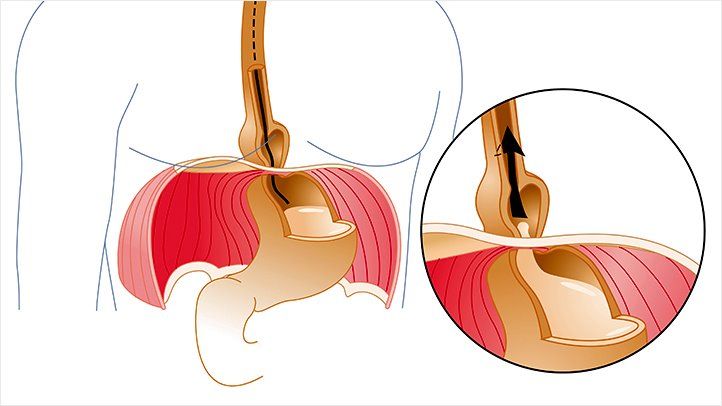
A hiatus hernia, also known as a hiatal hernia, is a medical condition that occurs when a portion of the stomach pushes through the diaphragm into the chest cavity. The diaphragm is a muscular structure that assists in respiration and has a small opening, a hiatus, through which the esophagus passes before connecting to the stomach. With assistance and guidance from Health-Link Natural Clinic, this article aims to break down the intricate connection between hiatus hernia, GERD, and stomach bloating. But first, let us properly understand the hiatal hernia.
Hiatus hernias can vary in size and severity, and they can lead to a range of symptoms and potential complications. There are two types of hiatus hernia;
- Sliding Hiatus Hernia:
In this type, the junction between the esophagus and the stomach, known as the gastrointestinal junction, and a portion of the stomach slides up into the chest together. This is the most common type of
hiatus hernia.
2. Fixed hiatal hernia:
In this less common type, a portion of the stomach squeezes through the hiatus and lies beside the esophagus. This can potentially lead to complications if the blood supply to the trapped stomach tissue is compromised.
Causes of Hiatus Hernia:
Hiatus hernias usually develop due to a weakening of the muscles surrounding the hiatus, which is an opening in the diaphragm that allows the esophagus to pass through and connect to the stomach. The exact causes of this weakening are not always clear, but medical experts at Health-Link Natural Clinic say several factors can contribute to its development:
- Age:
The risk of developing a hiatus hernia tends to increase with age, as the muscles and tissues naturally weaken over time.
- Obesity:
Excess body weight and abdominal fat can put increased pressure on the stomach and the surrounding muscles, leading to a higher risk of herniation.
- Pregnancy:
During pregnancy, the growing uterus can push against the stomach and diaphragm, potentially causing a hiatus hernia.
- Heavy lifting:
Repeatedly lifting heavy objects or straining during bowel movements can put a strain on the abdominal muscles and contribute to herniation.
- Chronic coughing:
Conditions such as chronic obstructive pulmonary disease (COPD) that cause persistent coughing can strain the diaphragm and contribute to herniation.
Understanding the link between hiatus hernia and GERD
The diaphragm has a small opening, a hiatus, through which the esophagus passes before connecting to the stomach. This is called the gastroesophageal junction (GEJ). According to Dr. Christopher Wambui, an accomplished medical practitioner and CEO of Health-Link Natural Clinic, during a hiatal hernia, the stomach pushes through that opening and into the chest and compromises the lower esophageal sphincter (LES). “This looseness of the LES can allow gastric content and acid to go back up into the esophagus and is the leading cause of gastroesophageal reflux disease (GERD). When stomach contents flow back into the esophagus, it causes various symptoms such as heartburn, vomiting, chest pain, and difficulty swallowing.” Says Dr. Chris.
Understanding the relationship between hiatus hernia and GERD is crucial for managing and treating these conditions effectively. “While not everyone with a hiatus hernia will develop GERD, there is a clear link between the two conditions,” he adds. The presence of a hiatus hernia can contribute to the development of GERD in several ways;
Weakening of the Lower Esophageal Sphincter (LES):
The LES is a ring of muscles that separates the stomach from the esophagus. It acts as a valve that opens to allow food to enter the stomach and then closes to prevent stomach contents from flowing back into the esophagus. Hiatus hernias, especially sliding hernias, can weaken the LES’s ability to close properly, allowing stomach acid to reflux into the esophagus.
Altered Anatomy:
The structural changes caused by a hiatus hernia can disrupt the natural mechanisms that prevent reflux. The herniated part of the stomach may act as a reservoir for stomach acid, which can then easily flow into the esophagus when the LES is relaxed.
Increased Intra-Abdominal Pressure:
Hiatus hernias can lead to an increase in intra-abdominal pressure, which in turn can force stomach contents back into the esophagus. This pressure can result from factors such as obesity, pregnancy, heavy lifting, or straining during bowel movements.
Managing hiatus hernia and GERD
The management of GERD in the presence of a hiatus hernia involves addressing both conditions. Here are some approaches:
- Lifestyle Modifications:
Adopting certain lifestyle changes can significantly alleviate symptoms. These include maintaining a healthy weight, avoiding large meals before bedtime, elevating the head of the bed, and avoiding trigger foods and beverages that can exacerbate GERD symptoms.
2.Medications:
Over-the-counter antacids, H2 blockers, and proton pump inhibitors (PPIs) can help reduce stomach acid production and alleviate GERD symptoms. However, these medications only provide temporary relief and should be used under medical supervision.
3. Surgical Intervention:
In severe cases of GERD combined with a large fixed hiatal hernia, surgical repair may be considered. This involves returning the herniated stomach to its normal position and reinforcing the LES to prevent reflux.
4. Endoscopic Treatments:
Some endoscopic procedures can help strengthen the LES or create a barrier between the stomach and the esophagus, reducing the risk of reflux.
Understanding the relationship between hiatus hernia and GERD is essential for effective diagnosis and management. “While not all individuals with a hiatus hernia will develop GERD, physiological factors associated with the hernia can contribute to the development and worsening of GERD symptoms. Proper medical guidance, lifestyle modifications, and, in some cases, surgical interventions can help individuals manage these conditions and improve their quality of life,” says the doctor. If you suspect you have GERD or a hiatus hernia, it’s important to consult a healthcare professional for accurate diagnosis and personalized treatment recommendations. The caring team at Health-link Natural Clinic led by Dr. Chris can help you with GERD-related health concerns.
Understanding how hiatus hernia causes stomach bloating
Stomach bloating can be uncomfortable and bothersome. While there are various causes of bloating, one less known culprit is hiatus hernia. A hiatus hernia occurs when a portion of the stomach pushes through the diaphragm into the chest cavity. This can happen due to the weakening of the muscles surrounding the hiatus, increased pressure in the abdominal cavity, or other factors mentioned above. This displacement can lead to a range of symptoms, including acid reflux, chest pain, and notably, stomach bloating.
How it happens
When a hiatus hernia is present, the normal mechanisms that prevent stomach acid from flowing back into the esophagus can be compromised. This can lead to gastroesophageal reflux disease (GERD), which is characterized by heartburn, vomiting, and, importantly, bloating. The backflow of stomach acid irritates the esophageal lining and can cause gas to accumulate in the stomach and esophagus, contributing to the sensation of bloating.
As explained by Dr. Chris, the displacement of the stomach through the hiatus can lead to altered movements of the stomach and esophagus. These altered movements can result in food and gas being trapped in the upper part of the stomach, leading to inflation and bloating. The herniated portion of the stomach might also be more prone to trapping air, worsening the sensation of bloating.
Be who you are and say what you feel, because those who mind don’t matter, and those who matter don’t mind.
“A hiatus hernia can create physical pressure on close organs, such as the diaphragm and the lungs. This pressure can affect normal breathing patterns and contribute to feelings of fullness and bloating. As the diaphragm is important in proper digestion and breathing, any damage caused by the hernia can lead to digestive discomfort and an increased sensation of bloating,”
States the doctor.
Managing Hiatus Hernia-Induced Bloating
If you suspect that your stomach bloating is linked to a hiatus hernia, it’s crucial to seek medical attention. Healthcare professionals at Health-Link Natural Clinic can diagnose the condition through physical examination, imaging tests like X-rays or endoscopy, and assessment of your symptoms.
Treatment strategies for hiatus hernia-influenceds bloating often include a combination of lifestyle changes and, if necessary, medication. Lifestyle changes might involve:
- Diet Modification: Avoiding trigger foods that exacerbate acid reflux, such as spicy foods, citrus fruits, and fatty foods.
- Smaller Meals: Eating smaller, more frequent meals to prevent overfilling the stomach.
- Elevating the Head: Sleep with the head elevated to minimize acid reflux during the night.
- Weight Management: Maintaining a healthy weight to reduce pressure on the abdominal cavity.
- Avoiding Late-Night Eating: Giving the stomach ample time to digest food before lying down.
Stomach bloating caused by hiatus hernia is a complicated issue that starts from the displacement of the stomach through the diaphragm.
“Understanding the difficult relationship between the anatomy of the digestive system and the impact of a hernia can provide valuable insights into how this condition leads to discomfort,” cites the doctor.
If you’re experiencing persistent stomach bloating and showing signs of GERD, consulting a medical professional is vital for accurate diagnosis and effective management strategies tailored to your individual needs. Dr. Chris Wambui is the CEO of Health-Link Natural Clinic. He is a proficient herbal practitioner with honors from the Himalaya Company and Patanjali Company, in India. He is also in partnership with Kenya Medical Research Institute offering services in infertility treatment, Ulcers, gastritis, low testosterone levels, and prostate cancer. For booking a medical appointment call +254721500900 or for more information Visit the YouTube channel for more informing videos Health-Link Natural Clinic