
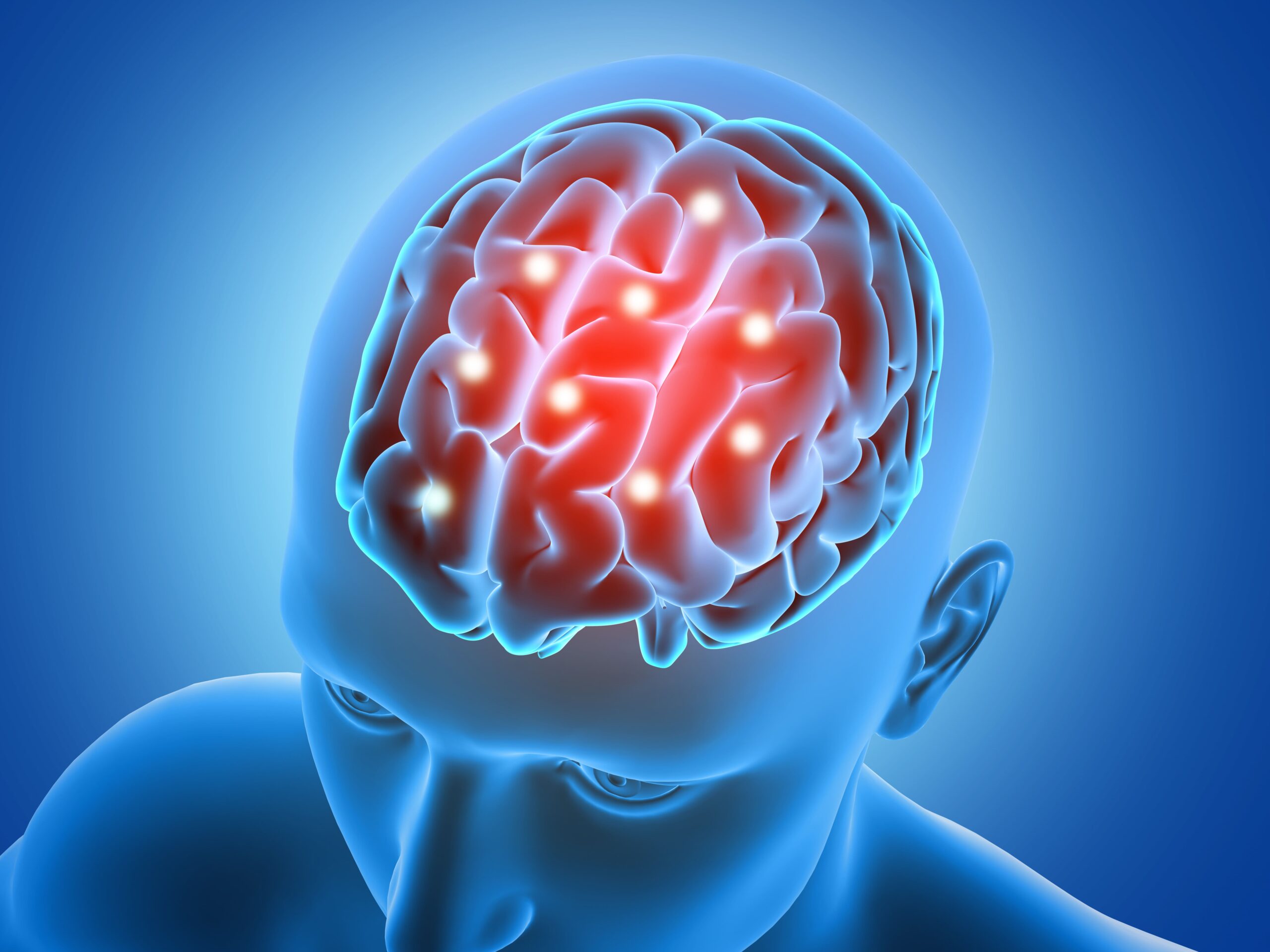
Unmasking the Invisible Threat: Exploring the Hidden Dangers of Brain Toxins
The human brain is an extraordinary organ that governs our thoughts, emotions, and actions. It is a complex network of cells and chemicals, working harmoniously to ensure our cognitive and motor functions run smoothly. However, this intricate system can be vulnerable to various external threats, one of which is brain toxins. Brain toxins are substances that have the potential to harm or impair the function of the brain. In this health column, we will explore the concept of brain toxins, the various factors contributing to their presence, their effects on the brain, and strategies for prevention. But first, let us understand the roles of the brain in the human body.
Understanding the Intricate Functions of the Human Brain
The human brain is a marvel of nature, a complex organ that serves as the control center of the entire body. Despite its relatively small size compared to other bodily organs, the brain plays a crucial role in nearly every aspect of our lives.
- Information Processing
One of the primary functions of the brain is to process and interpret information received from the body’s sensory organs. This information includes input from the five senses: sight, hearing, taste, smell, and touch. The brain swiftly deciphers this information, allowing us to perceive and respond to our environment.
- Cognitive Functions
The brain is responsible for a wide range of cognitive functions, including:
a. Memory: The brain stores and retrieves both short-term and long-term memories, allowing us to learn from the past and plan for the future.
b. Problem Solving: The brain processes information and formulates solutions to problems, ranging from simple puzzles to complex mathematical equations.
c. Critical Thinking: It enables us to analyze, evaluate, and make informed decisions based on available information.
d. Language Processing: The brain is crucial for language comprehension, speech production, and communication.
e. Creativity: It fosters creativity and innovation by connecting and synthesizing ideas from various sources.
- Motor Control
The brain is responsible for controlling our movements and coordinating muscular actions. The primary motor cortex, located in the frontal lobe, sends signals to the body to initiate voluntary muscle contractions. Additionally, the cerebellum plays a role in fine-tuning these movements and maintaining balance.
- Emotional Regulation
The brain plays a critical role in regulating emotions. The limbic system, which includes structures like the amygdala and hippocampus, is responsible for processing and regulating emotions. This system allows us to experience and manage a wide range of feelings, from joy and love to fear and sadness.
- Homeostasis
The brain maintains the body’s internal balance or homeostasis. This includes regulating temperature, heart rate, blood pressure, and other essential bodily functions. The hypothalamus, a small but powerful structure, plays a key role in this process.
- Senses and Perception
The brain processes sensory input and interprets it to create our perception of the world. For example, it converts light waves into visual images, sound waves into auditory experiences, and chemical signals into taste and smell.
- Sleep and Circadian Rhythms
The brain controls the sleep-wake cycle and circadian rhythms. The suprachiasmatic nucleus in the hypothalamus regulates these rhythms by responding to external cues, such as light and darkness, helping us maintain a consistent sleep pattern.
- Autonomic Functions
The autonomic nervous system, under the control of the brain, regulates involuntary functions such as breathing, digestion, and heart rate. This ensures that vital processes continue without conscious effort.
- Personality and Individuality
The brain is instrumental in shaping an individual’s personality and identity. Various regions of the brain, in combination with genetic and environmental factors, contribute to our unique traits, interests, and behavior.
What Are Brain Toxins?
Brain toxins are substances or agents that can harm the brain’s structure or function, leading to a range of adverse effects. These toxins can be either external or internal in origin. External brain toxins include environmental pollutants, drugs, chemicals, and pathogens, while internal toxins can result from metabolic processes or underlying medical conditions.
“The brain’s sensitivity to toxins is due to its intricate structure and the importance of its functions, making it particularly vulnerable to damage,” says Dr. Christopher Wambui a medical practitioner and CEO of Health-Link Natural Clinic. “The brain is a remarkable and delicate organ that requires diligent protection from harm,” he adds.
Common Sources of Brain Toxins
- Environmental Toxins
- Heavy Metals: Exposure to heavy metals like lead, mercury, and cadmium can occur through contaminated water, air, or food. These toxins can accumulate in the brain over time, leading to cognitive deficits, memory problems, and even neurodegenerative diseases.
- ● Pesticides: Agricultural chemicals, such as organophosphates and neonicotinoids, have been linked to cognitive impairments and an increased risk of neurodevelopmental disorders, particularly in children. Chemicals and Pesticides.
- Alcohol and Substance Abuse
- Alcohol: Chronic alcohol consumption can lead to alcohol-related brain damage, resulting in cognitive impairment, memory loss, and a range of psychiatric symptoms.
- Inhalants: The abuse of volatile substances like glue, paint, or aerosol sprays can cause severe damage to brain cells, leading to cognitive and motor impairments
- Food and Diet
Neurotoxic Food Additives: Certain food additives like artificial sweeteners, monosodium glutamate (MSG), and aspartame have been associated with headaches, mood disturbances, and cognitive dysfunction in some individuals.
Contaminants in Seafood: Consuming seafood contaminated with methylmercury can lead to neurological problems, especially in pregnant women and young children.
- Drugs and Medications
- Illicit Drugs: Substances like cocaine, methamphetamine, and MDMA can damage neurons and neurotransmitter systems, causing cognitive deficits, mood disorders, and addiction.
- Pharmaceuticals: Some prescription drugs, including certain antidepressants, antipsychotics, and anticonvulsants, may have neurological side effects, such as cognitive impairment or movement disorders.
The Detrimental Effects of Brain Toxins on the Human Body
As the central command center of the body, the brain is incredibly sensitive to external influences, mainly toxins. “The brain is a complex organ composed of billions of neurons and glial cells that work together to process information and maintain homeostasis,” says Dr. Chris.
“However, the brain is not invulnerable, and exposure to various toxins can have profound effects on its structure and function.”
Effects of Brain Toxins on the Human Body
- Brain Fog
Brain fog is often described as a state of mental confusion, forgetfulness, and lack of mental clarity. Brain toxins, such as certain chemicals, heavy metals, or even chronic infections, can trigger an inflammatory response in the brain. Inflammation is a natural defense mechanism by the body, but when it occurs in the brain, it can lead to a condition known as neuroinflammation. This neuroinflammatory response disrupts the normal functioning of brain cells, including neurons and glial cells, and can impair cognitive functions. Additionally, Dr. Chris says brain toxins can interfere with the normal production, release, and function of neurotransmitters, which are chemical messengers that facilitate communication between brain cells. This disruption can lead to imbalances in neurotransmitter levels, affecting mood, memory, and concentration. For example, toxins like heavy metals can impair the function of neurotransmitters like dopamine, serotonin, and acetylcholine, which are critical for cognitive function.
- Mental Health Effects
Some toxins, such as heavy metals like lead and mercury, are known to damage nerve cells and disrupt neurotransmitter function. This damage can lead to cognitive impairment, mood disorders, and even severe conditions like dementia and psychosis. Furthermore, Toxins in the body can trigger a state of chronic inflammation. Inflammation has been linked to various mental health disorders, including depression, anxiety, and bipolar disorder. It is believed that the inflammatory response affects the brain’s structure and function, contributing to these disorders. Toxins can also increase oxidative stress in the body, leading to damage to cells, proteins, and DNA. This oxidative stress has been associated with conditions such as schizophrenia and bipolar disorder.
- Developmental and Neurological Disorders:
Neurogenesis is the process by which new neurons are generated in the developing brain. Brain toxins can interfere with this process by damaging neural stem cells or altering the microenvironment in which they develop. This disruption can lead to structural abnormalities in the brain, which can contribute to developmental disorders like autism and intellectual disabilities. Moreover, some toxins can cause epigenetic changes, which are changes to gene expression without changes to the underlying DNA sequence. These changes can be passed on to future generations and may increase the risk of neurological disorders. For instance, prenatal exposure to toxins can lead to epigenetic changes that raise the likelihood of autism spectrum disorder.
- Neurodegenerative Diseases
Neurodegenerative diseases are a group of disorders characterized by progressive degeneration and loss of function of nerve cells (neurons) in the brain. Brain toxins are substances that have the ability to harm or damage neurons, which are the fundamental building blocks of the nervous system. As per Dr. Chris, these toxins can disrupt normal neuronal function by interfering with various cellular processes, including signaling pathways, energy production, and maintenance of cell structure. When neurons are exposed to these toxins over time, they may become dysfunctional or die off.
- Insomnia
Insomnia is a sleep disorder characterized by difficulty falling asleep, staying asleep, or experiencing restorative sleep. Toxins can interfere with the balance of neurotransmitters in the brain, such as serotonin and dopamine, which are essential for regulating sleep. As per Dr. Chris, disruptions in these neurotransmitter systems can lead to difficulties in falling asleep and maintaining a regular sleep pattern. Furthermore, brain toxins may trigger inflammation, which can disrupt normal brain function. Inflammatory responses in the brain can interfere with the sleep process, making it difficult to initiate or maintain sleep.
- Panic
The amygdala is a part of the brain responsible for processing emotions, including fear and anxiety. Brain toxins can lead to an overstimulation of the amygdala, causing it to interpret non-threatening situations as highly dangerous. This heightened sensitivity to potential threats can trigger panic responses, even in benign circumstances. In addition, certain brain toxins can stimulate the release of stress hormones like cortisol and adrenaline. According to Dr. Chris, these hormones prepare the body for a “fight or flight” response, leading to physiological changes such as increased heart rate, sweating, and muscle tension. When these stress responses are activated unnecessarily due to brain toxins, it can mimic the physical symptoms of a panic attack.
- Memory lose
Many brain toxins affect the balance of neurotransmitters, which are chemical messengers that transmit signals between nerve cells (neurons). These disruptions can interfere with the communication between neurons, impairing memory formation and retrieval. For example, toxins may block the release of essential neurotransmitters like acetylcholine, which is crucial for memory and learning. Also, some toxins can directly harm neurons, leading to their death. This neuronal cell death can result in the loss of specific brain regions that are crucial for memory, such as the hippocampus. When these regions are damaged, the brain’s ability to form and retrieve memories is severely compromised.
- Sadness and Loneliness
Many brain toxins, including substances like alcohol, certain drugs, and heavy metals, can disrupt the delicate balance of neurotransmitters in the brain. Neurotransmitters are chemical messengers that facilitate communication between nerve cells. As explained by Dr. Chris, when these chemicals are disrupted, it can lead to changes in mood and behavior. For example, some toxins can interfere with the production, release, or reuptake of neurotransmitters like serotonin, dopamine, and norepinephrine, which are closely associated with feelings of happiness, well-being, and social connection.
Some toxins, such as heavy metals (e.g., lead and mercury), can impair thinking function. When an individual’s thinking abilities are compromised, it can become challenging to engage in social interactions, make meaningful connections, and accurately interpret social cues. This cognitive decline can lead to feelings of loneliness as the individual may find it difficult to participate in social activities or maintain relationships.
Other Effects Include;
- Mood and Behavioral Changes: Exposure to certain toxins can alter brain chemistry, leading to mood disorders, anxiety, depression, and in some cases, even psychotic symptoms
- Increased Risk of Stroke: Brain toxins can contribute to cardiovascular risk factors, such as high blood pressure, increasing the likelihood of stroke.
- Damage to the Blood-Brain Barrier: Brain toxins can weaken the blood-brain barrier, making it easier for harmful substances to enter the brain, which can exacerbate neurological damage.
- Immune System Impairment: Exposure to certain brain toxins can weaken the immune system, making individuals more susceptible to infections and other health issues.
- Impaired Motor Function: Certain toxins can affect the brain regions responsible for controlling motor function, leading to tremors, muscle weakness, and loss of coordination.
Do You Know The Brain Removes Toxins On Its Own?
Beyond its thinking capabilities, the brain also plays a crucial role in ensuring its own health. Underneath its complex web of neurons, there exists another remarkable aspect of brain function – the brain’s ability to remove toxins.
“While we often think of detoxification in the context of the liver or kidneys, the brain, too, has its own way of eliminating harmful substances,” affirms Dr. Chris.
The Brain’s Detoxification Mechanisms
- The Glymphatic System
Recent research has uncovered the existence of a specialized waste removal system in the brain known as the glymphatic system. This system operates in a manner similar to the lymphatic system in the rest of the body but has unique features tailored to the brain’s specific needs.
According to Dr. Chris, the glymphatic system consists of a network of glial cells called astrocytes that surround blood vessels in the brain. During sleep, these cells become more active and help flush waste products from the brain, including toxins and harmful proteins like beta-amyloid, which is associated with Alzheimer’s disease.
- Cerebrospinal Fluid (CSF)
Cerebrospinal fluid (CSF) is a clear, colorless liquid that surrounds and cushions the brain and spinal cord. It serves multiple functions, including providing nutrients and removing waste products from the brain.
CSF acts as a transport medium for toxins and waste to move away from brain tissue. It carries these harmful substances to the blood vessels and lymphatic system, where they can be eliminated from the body.
- Blood-Brain Barrier (BBB)
The blood-brain barrier is a protective barrier that separates the bloodstream from the brain tissue. While its primary role is to prevent harmful substances from entering the brain, it also helps in removing certain waste products.
Specialized cells in the blood-brain barrier actively transport waste products out of the brain and into the bloodstream. These waste products can then be filtered by the liver and kidneys before being excreted from the body.
How to Help Your Brain Fight Toxins
Toxins can have detrimental effects on our cognitive function and overall well-being. To function at its best, the brain requires a healthy environment, free from toxins and harmful substances. Fortunately, there are several strategies you can adopt to help your brain combat these harmful substances and maintain optimal mental health. Dr. Chris gives several ways that you can explore to support your brain in its battle against toxins.
- Adopt a Brain-Healthy Diet
Nutrition plays a significant role in brain health. To help your brain combat toxins, focus on a diet rich in antioxidants and nutrients that support cognitive function. Here are some key dietary tips:
a. Consume Antioxidant-Rich Foods: Antioxidants like vitamins C and E, as well as beta-carotene, help neutralize harmful free radicals that can damage brain cells. Include plenty of colorful fruits and vegetables in your diet, such as berries, spinach, and sweet potatoes.
b. Omega-3 Fatty Acids: Incorporate foods high in omega-3 fatty acids, like fatty fish (salmon, mackerel. Omega-3s have anti-inflammatory properties that protect the brain and support cognitive function.
c. Stay Hydrated: Dehydration can impair cognitive function. Make sure you drink enough water throughout the day to help your brain eliminate toxins efficiently.
- Manage Stress
Chronic stress can have a negative impact on the brain. Stress hormones like cortisol can lead to inflammation and disrupt normal brain function. To help your brain fight toxins, it’s essential to manage stress effectively:
a. Practice Relaxation Techniques: Engage in stress-reduction activities such as mindfulness meditation, deep breathing, and yoga. These practices can help lower stress hormones and promote overall brain health.
b. Adequate Sleep: Quality sleep is essential for brain detoxification. During deep sleep, the brain’s glymphatic system becomes more active, clearing out waste products and toxins. Aim for 7-9 hours of quality sleep each night.
3. Exercise Regularly
Physical activity is not only beneficial for your body but also for your brain. Regular exercise has numerous advantages in helping the brain combat toxins:
a. Improved Blood Flow: Exercise enhances blood circulation, which allows the brain to receive more oxygen and essential nutrients. This helps in the removal of harmful substances.
b. Neuroplasticity: Physical activity has been linked to increased neuroplasticity, which is the brain’s ability to adapt and recover from injury or toxins.
- Stay Socially Connected
Maintaining social connections and engaging in meaningful relationships is crucial for brain health. Interacting with others can reduce stress, provide emotional support, and stimulate cognitive function, ultimately helping your brain fight toxins.
- Limit Exposure to Environmental Toxins
Be mindful of environmental factors that could introduce toxins into your life:
a. Air Quality: Try to reduce exposure to air pollutants by using air purifiers, ensuring proper ventilation, and avoiding smoking or secondhand smoke.
b. Minimize Toxins in Your Home: Reduce exposure to household toxins by using natural cleaning products, storing food properly, and avoiding the use of plastic containers for food storage.
c. Limit Alcohol and Drug Use: Excessive alcohol and drug consumption can damage brain cells and impair cognitive function. Moderation is key for preserving brain health.
5. Stay Mentally Active
Mental stimulation through activities like reading, puzzles, and learning new skills can help maintain cognitive function and support the brain’s resilience against toxins. Keeping your mind engaged is a proactive way to protect your brain.
- Adequate Sleep
Sleep is a vital component of the brain’s natural detoxification process. During deep sleep, the brain’s glymphatic system becomes highly active, flushing out waste products and toxins that accumulate throughout the day. Ensure you get 7-9 hours of quality sleep each night to support this critical function.
The battle against toxins in the modern world is an ongoing challenge for our brains. However, by adopting a holistic approach that includes a nutrient-rich diet, proper hydration, regular exercise, stress reduction, and mindfulness, you can significantly enhance your brain’s ability to detoxify and stay healthy.
“Being mindful of your environment and lifestyle choices can reduce your exposure to harmful toxins, further supporting your brain’s natural defense mechanisms. Prioritizing these strategies will contribute to your overall well-being and help your brain fight toxins effectively,” says the Doctor.
Dr. Christopher Wambui is the CEO of Health-Link Natural Clinic. He is a proficient herbal practitioner with honors from the Himalaya Company and Patanjali Company, in India. He is also in partnership with Kenya Medical Research Institute offering services in genetic counseling, infertility treatment, Ulcers, gastritis, low testosterone levels, and prostate cancer. For booking a medical appointment call +254721500900 for more information. Visit the YouTube channel for more informing videos Health-link natural clinic
