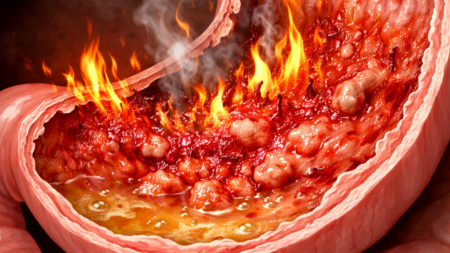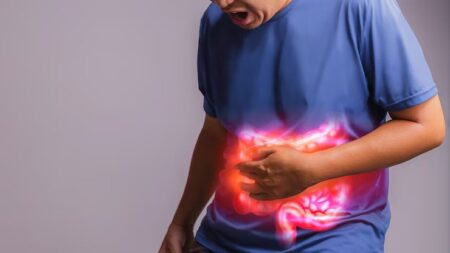
You eat, and within minutes, your stomach swells like a drum. Gas, discomfort, constipation today, diarrhoea tomorrow. You have treated ulcers, swallowed antacids, and even done H. pylori tests, but nothing seems to fix it. What if the problem is not your stomach acid at all, but your gut bacteria being out of balance? This condition, known as dysbiosis, is more common than many realize.
What is Dysbiosis?
Dysbiosis is a condition where the good and bad bacteria in your gut are out of balance. Your gut (especially the intestines) is home to trillions of bacteria, fungi, and other microbes together called the gut microbiome. When this system is healthy, it helps with:
- Digestion
- Nutrient absorption
- Immunity
- Protection against infections
- Mental health and mood
How Does Dysbiosis Affect Me?
When harmful bacteria increase quickly and beneficial bacteria are reduced, dysbiosis occurs, and the gut stops functioning properly.
In any microbiome, reduced diversity and imbalance can allow one type of microorganism to dominate. This condition, known as dysbiosis, makes us more susceptible to infections from both internal and external germs. Additionally, dysbiosis can disrupt other essential functions that our microbiomes typically perform. For example, your gut microbiome offers numerous benefits by interacting with your body in various ways.
How a Healthy Gut Normally Works
In a healthy gut:
- Good bacteria help break down food
- They control harmful germs
- They reduce inflammation
- They support the gut lining
In dysbiosis:
- Harmful bacteria dominate
- Food ferments abnormally
- Gas, toxins, and inflammation increase
- The gut lining becomes irritated or “leaky.”
Common Causes of Dysbiosis
Different things in your internal and external environment can affect your microbiomes, including;
1. Frequent Antibiotic Use
Antibiotics kill both bad and good bacteria. Repeated use without probiotics leaves the gut empty and vulnerable.
2. Poor Diet
- Low fibre intake
- High sugar and refined carbs
- Processed foods
- Excess fried foods
These feed harmful bacteria and starve good ones.
3. Recurrent Stomach Infections
Repeated diarrhoea, typhoid, or food poisoning episodes disrupt gut balance.
4. Chronic Stress
Stress directly affects gut bacteria through the gut-brain axis. Yes—stress can literally upset your stomach.
5. Acid-Suppressing Drugs
Long-term use of antacids and PPIs reduces stomach acid, allowing bad bacteria to survive and multiply.
6. Smoking and alcohol use
Signs and Symptoms of Dysbiosis
Dysbiosis does not look the same in everyone. Symptoms vary widely:
Digestive Symptoms
- Bloating after meals
- Excessive gas
- Constipation or diarrhoea
- Alternating constipation and diarrhoea (IBS-like)
- Stomach discomfort or cramps
- Food intolerance
General Body Symptoms
- Fatigue
- Brain fog
- Poor immunity (frequent infections)
- Skin problems (acne, eczema)
- Unexplained weight gain or loss
Many people keep treating “ulcers” when the real issue is gut imbalance.
When to See a Doctor
Seek medical help if:
- Symptoms last more than 2–3 weeks
- You have unexplained weight loss
- There is blood in the stool
- Symptoms keep recurring despite treatment
What Is The Treatment For Dysbiosis?
Treatment for dysbiosis varies depending on its cause. If an underlying disease or condition is responsible, specific treatment for that condition will be necessary. At Health-Link Natural Clinic, we can help you address environmental and lifestyle factors that may be contributing to your dysbiosis. Making changes in these areas can be beneficial for anyone with dysbiosis, regardless of other underlying causes.
If you are dealing with an infection or microbial overgrowth, we may need to directly target it with antibiotics, antivirals, or antifungals. While these medications can help reduce the infection or overgrowth, they may also affect beneficial microorganisms in your system. Some microbiomes may recover on their own after treatment, while others might require additional follow-up care to help restore their healthy composition.
This might include:
- Probiotics.
- Targeted nutrition.
- In rare cases, fecal microbiota therapy
What Kind of Diet Helps Heal Gut Dysbiosis?
The easiest way to enhance your gut health naturally is to focus on a plant-rich diet. Different types of gut bacteria require various plant fibers and micronutrients to thrive, so having a diverse diet can help maintain a healthy balance of these bacteria. Additionally, whole foods, particularly plants, are often anti-inflammatory, creating a more favorable environment in your gut for beneficial bacteria.
Foods to include:
- A variety of whole fruits and vegetables, rich in prebiotic fiber.
- Fermented foods, like yogurt, pickles, miso soup, or sauerkraut, are rich in probiotics.
- Healthy sources of fats, like fish, nuts, and plant oils, are anti-inflammatory.
Foods to avoid:
- Fast and fried foods are high in inflammatory saturated fats.
- Candy, soda, and sweets are high in added sugar.
- Packaged and convenience foods are high in additives and preservatives
Can Dysbiosis Be Prevented?
Yes,
- Eat real food, not just filling food
- Don’t misuse antibiotics
- Manage stress
- Look after your gut early before symptoms worsen
- Reduce exposure to environmental toxins
- Reduce substance use
- Change medications if necessary
A Note From Health-Link Natural Clinic
Beyond everyday gastrointestinal conditions, your gut microbiome may play a part in a wide range of chronic diseases. We don’t have it all figured out yet. But we do know that diet and lifestyle factors can have a major impact on your gut microbiome. If you think you might have gut dysbiosis, this is a great place to start. Visit us at our branches or call 0721 500 900.