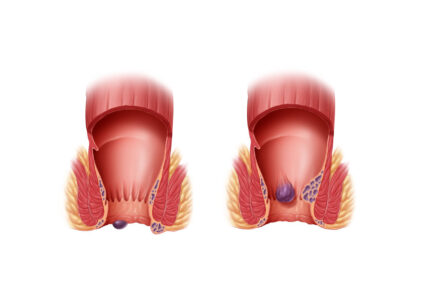
Good gut health is not built on expensive imported foods. It is built on simple, local, consistent meals that feed your digestive system daily. This structured 7-day gut health plan uses familiar Kenyan foods such as fermented uji, brown ugali, ndengu, njahi, omena, tilapia, mala, and vegetables to reset digestion, reduce bloating, relieve constipation, and strengthen your microbiome.
Monday – Gut Reset
Start the week with fermented porridge (uji) to introduce beneficial bacteria into your system. Pair it with plain yoghurt or mala and one medium banana for natural prebiotic fibre. Snack on one apple.
For lunch, take cooked brown rice, ndengu, steamed vegetables, and half an avocado for healthy fats. Snack on of pawpaw to support digestion. Dinner includes steamed or grilled tilapia, millet ugali, and fermented vegetables such as sauerkraut to strengthen gut bacteria.
Tuesday – Anti-Bloating Focus
Breakfast consists of oats (dry, cooked in water), chia seeds, and pawpaw. This combination reduces gas and improves bowel movement. Snack on 200ml of plain yoghurt.
Lunch includes brown ugali (180g), cooked njahi (150g), and half an avocado. Snack on one banana. Dinner features boiled or grilled chicken breast (120g), steamed vegetables (150g), and fermented vegetables (50g) to support healthy digestion.
Wednesday – Constipation Relief
Take fermented uji (350ml) for breakfast with one apple (with skin), sweet potatoes (90g), and arrow roots (90g) for fibre. Snack on roasted, unsalted sunflower seeds (30g).
Lunch includes brown rice (180g), lentils (kamande, 160g), and steamed greens (100g). Snack on 200g pawpaw. Dinner consists of a two-egg omelette, millet ugali (150g), and half an avocado to keep digestion smooth and regular.
Thursday – Gut Repair & Healing
Begin with oats (60g dry), plain yoghurt (150ml), and one medium banana. Snack on almonds (25g).
Lunch includes brown ugali (180g), ndengu (150g), and fermented vegetables (50g). Snack on one apple. Dinner features lightly cooked omena (100g), steamed vegetables (150g), and one teaspoon (5ml) of coconut oil added after cooking to support gut lining repair.
Friday – IBS-Friendly Day
Breakfast includes fermented porridge (300ml) and pawpaw (200g). Snack on plain mala (200ml).
Lunch consists of brown rice (180g), chicken (120g), and half an avocado. Snack on one banana. Dinner includes lentil stew (160g), millet ugali (150g), and steamed vegetables (100g) to keep meals gentle but nourishing.
Saturday – Microbiome Boost
Start with oats (60g), chia seeds (10g), and one apple. Snack on boiled or roasted unsalted groundnuts (40g).
Lunch includes brown ugali (180g), njahi (150g), and fermented vegetables (60g). Snack on one pawpaw. Dinner consists of tilapia (120g), steamed vegetables (150g), and half an avocado to supply fibre, protein, and healthy fats.
Sunday – Maintenance Day
Breakfast includes fermented uji (300ml) and one medium banana. Snack on plain yoghurt (200ml).
Lunch features brown rice (180g), lentils (160g), and steamed vegetables (100g). Snack on almonds or sunflower seeds (30g). Dinner consists of two eggs, millet ugali (150g), and fermented vegetables (50g) to maintain balance before the new week begins.
Why This Plan Works
This diet focuses on:
Fermented foods (uji, mala, yoghurt, fermented vegetables) to introduce good bacteria.
High-fibre foods (brown rice, brown ugali, millet, oats, lentils, ndengu, njahi, fruits, vegetables) to feed those bacteria.
Healthy fats (avocado, almonds, sunflower seeds, groundnuts, coconut oil) to reduce inflammation.
Lean proteins (tilapia, chicken, omena, eggs) to repair tissues and maintain strength.
If you follow this plan strictly and consistently, your bloating reduces, constipation improves, IBS symptoms calm down, and your digestion becomes predictable. Skip meals, overeat junk, or ignore hydration, and you undo the progress. Gut health is not complicated—but it demands discipline.
Below is a meal plan table to guide you through