
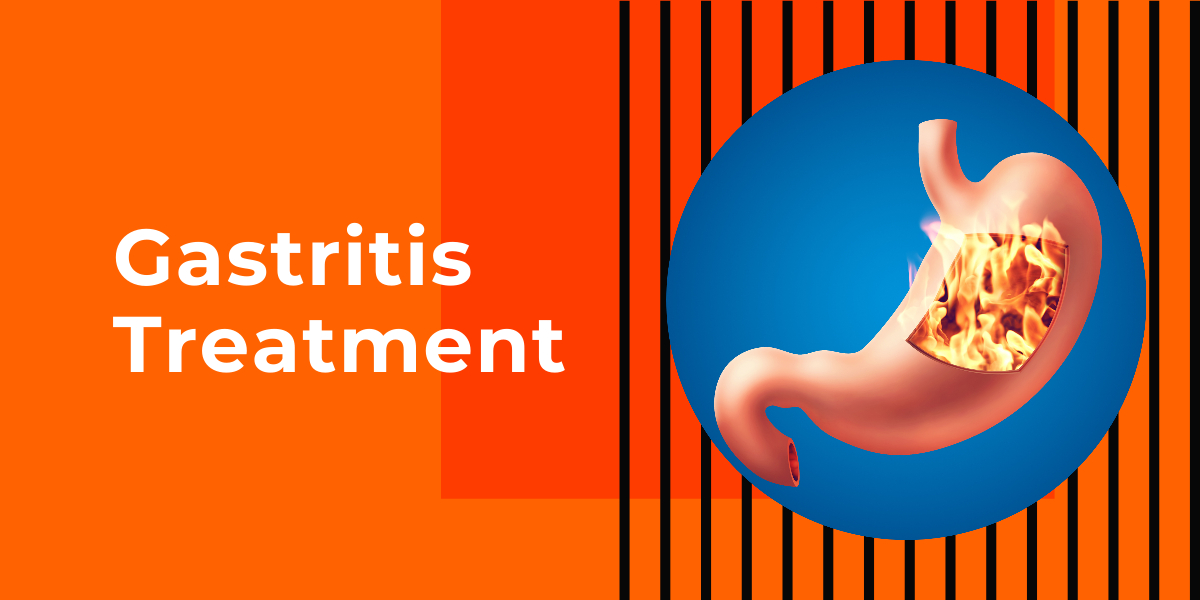
Gastritis is a common digestive condition that affects millions of people around the world. Gastritis is an inflammation of the stomach lining. Weaknesses or injury to the mucus line that protects the stomach wall allows digestive juices to damage and inflame the stomach lining. The inflammation of gastritis is most often the result of infection with the same bacterium that causes most stomach ulcers or the regular use of certain pain relievers.
Gastritis can be acute, meaning it occurs suddenly and is usually short-lived, or it can be chronic, persisting over a longer period. In this article, we will delve into the causes, symptoms, and treatment with the guidance of Dr. Christopher Wambui a medical practitioner and CEO of Health-Link Natural Clinic to help you better understand this condition.
Causes of Gastritis
While it’s often associated with poor dietary habits and stress, Dr. Chris says that the real causes of gastritis are more complex. Understanding these underlying factors is crucial for both prevention and effective management. We take a look at the most common causes of gastritis below;
- Helicobacter pylori Infection:
One of the most common causes of gastritis is infection with the bacterium Helicobacter pylori (H. pylori). This bacterium makes an enzyme called urease. This enzyme makes your stomach acids less acidic (neutralizes them). It can damage the tissue in your stomach and the first part of your small intestine (the duodenum). This can cause redness and soreness (inflammation). In some cases, it can also cause painful sores called peptic ulcers in your upper digestive tract. It’s estimated that approximately half of Kenya’s population is infected with H. pylori, although not everyone with the infection develops gastritis.
2. Nonsteroidal Anti-Inflammatory Drugs (NSAIDs)
NSAIDs interfere with enzymes called cyclooxygenases which are responsible for the production of prostaglandins. Prostaglandins help protect the stomach lining by promoting mucus production and regulating blood flow. When NSAIDs interfere with these enzymes, they reduce prostaglandin production, leaving the stomach more vulnerable to irritation and damage.
“NSAIDs also decrease the production of the protective mucus lining in the stomach. This mucus acts as a barrier, shielding the stomach lining from the harsh acids it produces to digest food. With reduced mucus, the stomach becomes more susceptible to the corrosive effects of these acids. NSAIDs can affect blood flow to the stomach lining,” says Dr. Chris. “Prostaglandins help maintain a balance between protective mechanisms like mucus production and harmful factors like acid secretion. When NSAIDs disrupt this balance, it can lead to reduced blood flow to the stomach lining, impairing its ability to repair and defend itself,” he adds.
3. Stress:
Stress triggers the release of stress hormones, such as cortisol and adrenaline. These hormones can stimulate the production of stomach acid, which can, in turn, lead to irritation and damage to the stomach lining over time.
According to the doctor, stress can disrupt normal digestive processes by affecting the muscles that control the movement of food through the digestive tract. This disruption can result in delayed emptying of the stomach, increasing the risk of stomach irritation
People under stress often make unhealthy dietary choices, such as consuming excessive caffeine, alcohol, and processed foods. These dietary patterns can worsen gastritis and hinder the healing process.
4. Bile Reflux:
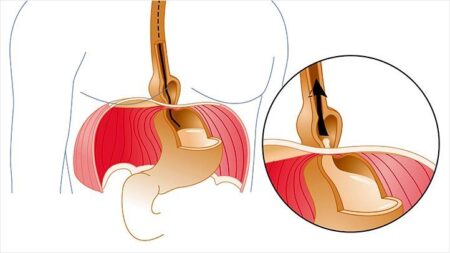
Bile reflux occurs when bile, a digestive fluid produced by the liver, flows backward from the small intestine into the stomach and even up into the esophagus. Bile is highly alkaline and contains various digestive enzymes. When it enters the stomach, it disrupts the normally acidic environment necessary for proper digestion. This can irritate and inflame the gastric mucosa, leading to gastritis. Over time, this chronic irritation can result in damage to the stomach lining.
“The stomach lining is equipped with a protective layer of mucus that shields it from the harsh digestive fluids. Bile reflux can damage this protective barrier, making the stomach lining more vulnerable to inflammation and injury. This makes it easier for other irritants, such as stomach acid, to further worsen the condition,” states Dr. Chris.
Prolonged exposure to bile can have more serious consequences. It can contribute to the development of more severe conditions like peptic ulcers, Barrett’s esophagus, or even stomach cancer. Therefore, addressing bile reflux-induced gastritis early is crucial to prevent these complications.
5. Chronic Vomiting
The act of vomiting itself involves forceful contractions of the abdominal muscles and diaphragm, leading to the removal of stomach contents through the esophagus and mouth. These forceful removals, while necessary to eliminate potentially harmful substances from the stomach, can also lead to damage to the stomach lining over time. The forceful removal of stomach contents during vomiting can physically irritate the stomach lining, leading to micro-injuries. These injuries can trigger an inflammatory response, initiating gastritis.
According to Dr. Chris, Vomiting can lead to the exposure of the stomach lining to gastric acid, which is highly corrosive. Over time, this acid exposure can damage the protective mucus layer of the stomach and contribute to inflammation.
In some cases, chronic vomiting can lead to gastroesophageal reflux disease (GERD), where stomach contents flow backward into the esophagus. The acidic stomach contents can further irritate the esophageal and stomach lining, worsening gastritis.
What are the warning signs and symptoms of gastritis?
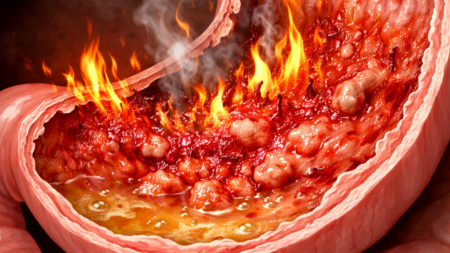
Gastritis may not cause any noticeable symptoms. If it does, it may mean that it is more severe or it has been going on for a long time. Symptoms may happen when your stomach lining is worn down enough that it cannot defend itself against its own acids and enzymes anymore. The acids may cause symptoms of indigestion, or they may cause stomach ulcers, which can hurt and bleed. Symptoms may include.
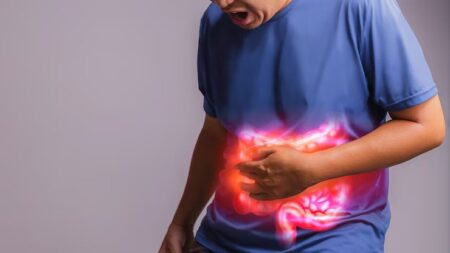
- Upper Abdominal Pain: One of the most common symptoms of gastritis is a dull, gnawing, or burning pain in the upper abdomen. This discomfort can range from mild to severe and may occur after eating or on an empty stomach. In some cases, the pain may temporarily ease with antacids or food.
- Nausea and Vomiting: Gastritis can trigger feelings of nausea, which may or may not lead to vomiting. Persistent nausea, especially after meals, can be a sign of gastritis.
- Bloating and Fullness: People with gastritis often experience abdominal bloating and a sensation of fullness, even if they have eaten only a small amount of food.
- Indigestion: Gastritis can disrupt the normal digestive process, leading to indigestion or dyspepsia. This may manifest as discomfort or a burning feeling in the upper abdomen, particularly after consuming spicy or fatty foods.
- Loss of Appetite: Individuals with gastritis may find themselves losing interest in food due to the discomfort and nausea associated with the condition. This can lead to unintended weight loss over time.
- Belching and Hiccups: Excessive belching or hiccups can be another symptom of gastritis. These occur as the stomach tries to alleviate pressure caused by gas build-up or irritation.
- Blood in Vomit or Stool: In severe cases of gastritis, erosion of the stomach lining can lead to bleeding. This may result in the appearance of blood in vomit (hematemesis) or black, tarry stools (melena). If you experience either of these symptoms, seek immediate medical attention.
- Heartburn: Some individuals with gastritis may experience heartburn, a burning sensation that rises from the stomach to the chest. While gastritis is distinct from gastroesophageal reflux disease (GERD), the symptoms can overlap.
- Fatigue: Chronic gastritis can affect the body’s ability to absorb nutrients from food, leading to deficiencies. This can result in fatigue, weakness, and other symptoms related to nutrient deficiencies.
- Chest Pain: Although less common, gastritis can sometimes cause chest pain that may be mistaken for heart-related issues. It is essential to differentiate between chest pain due to gastritis and that caused by cardiac problems.
Most people who have gastritis are able to treat it and find relief for their symptoms. There are times when gastritis means you need to see a doctor and make a treatment plan, but there are also ways to treat gastritis with home remedies. Below are several home remedies you can apply to treat gastritis at home;
- Identify and Address the Underlying Cause:
Determine the cause of gastritis, whether it’s due to H. pylori infection, excessive alcohol consumption, NSAID use, stress, or another factor. Treating the underlying cause is crucial for long-term relief.
2. Avoid Irritants:
Eliminate or reduce the consumption of foods and substances that can irritate the stomach lining, such as alcohol, caffeine, spicy foods, acidic foods, and NSAIDs (like aspirin or ibuprofen).
3. Diet: Follow a bland, low-fat, and easily digestible diet. Consume smaller, more frequent meals to prevent overloading the stomach
Hydration: Drink plenty of water to stay hydrated, but avoid excessive consumption during meals, as it can dilute stomach acid.
Stress Management: Practice stress-reduction techniques such as yoga, meditation, or deep breathing exercises, as stress can exacerbate gastritis symptoms.
4. Avoid Smoking:
Smoking can irritate the stomach lining and worsen gastritis. Quitting smoking can have a positive impact on gastritis management.
5. Symptom Management:
Over-the-counter medications like antacids or H2 blockers can provide relief from symptoms like heartburn or indigestion.
6. Follow Medical Advice:
Consult a healthcare provider like Health-Link Natural Clinic for a proper diagnosis and treatment plan tailored to your specific condition. Follow their recommendations closely, including taking prescribed medications as directed.
7. Monitor for Complications:
If gastritis is left untreated or becomes chronic, it can lead to complications such as ulcers or stomach bleeding. Regular follow-up with your healthcare provider is important to monitor your condition.
8. Lifestyle Changes:
Long-term management may involve making permanent lifestyle changes, such as maintaining a healthy diet, managing stress, and avoiding triggers.
Recognizing the symptoms, and treatment of gastritis is crucial for early diagnosis and effective management. If you experience persistent abdominal pain, nausea, or other symptoms mentioned above, visit the Health-Link Natural Clinic for a proper evaluation and diagnosis. By identifying and addressing the underlying causes, individuals with gastritis can effectively manage their condition and improve their quality of life.
Dr. Chris Wambui is the CEO of Health-Link Natural Clinic. He is a proficient herbal practitioner with honors from the Himalaya Company and Patanjali Company, in India. He is also in partnership with Kenya Medical Research Institute offering services in infertility treatment, Ulcers, gastritis, low testosterone levels, and prostate cancer. For booking a medical appointment call +254721500900 or for more information Visit the YouTube channel for more informing videos Health-Link Natural Clinic






Afternoon Dr I am Amos and I was diagnosed with mild colitis and gastritis after doctors did endoscopy and colonoscopy but sometimes I will some pain on my left side and also on my stomach how can I get help please.
thanks for contacting us and am sorry about the pains…where are you currently so you can visit our nearest clinic. Or also you can contact us on 0721500900 or 0731500900 for more information
i was diagnosed with mild chronic active gastritis after (OGD) and colonoscopy .
Biopsy results- H pylori positive.
Treatment with h pylori kit(2 repeat doses after 3 month interval)but still the gastritis is still not resolved.
Any info is welcome.
thanks for contacting us,we are happy to give a solution to your health issue but currently where are you so you can visit us to a clnic near you or also you can also contact us on 0721500900 or 0731500900