
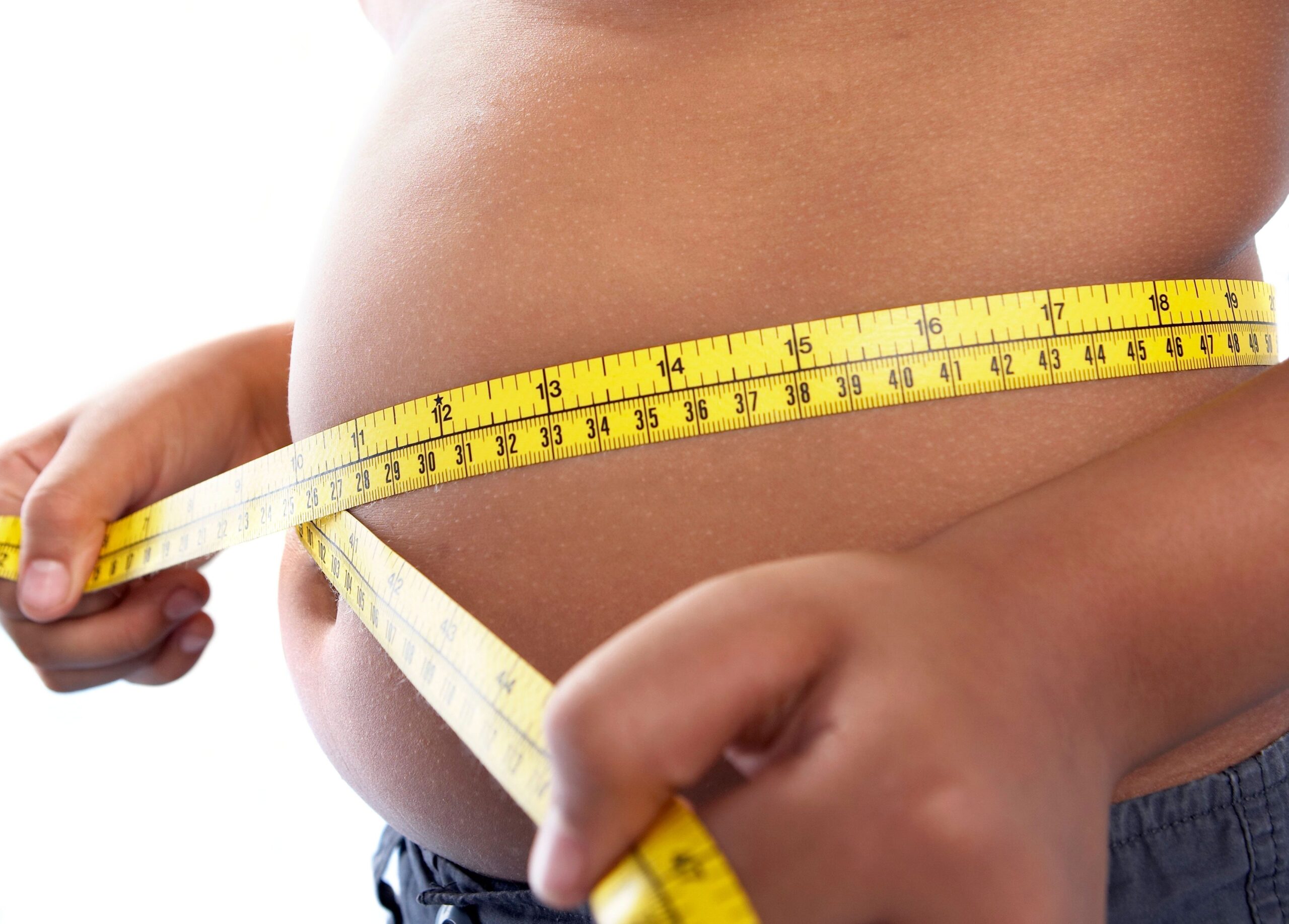
Being obese in this side of Africa has always been attributed to being wealthy or a change in class. A big belly covered in well-tailored suits has often been described as a status symbol and deserves a special guest seat at the front. Politicians, millionaires, and other leaders have always shown an increase in body weight whenever they rise in the ranks.
Well, today I have some bad news for you who think having a big fat belly is a show of class. It is not classy or stylish but it is a disease called obesity and you will perish if you don’t change..
The term ‘obese’ describes a person who is a very overweight person with a lot of body fat. In adults, obesity is defined as having a Body Mass Index (BMI) of 30.0 and above. BMI is a calculation that considers a person’s weight and height to measure body size.
Obesity is associated with a higher risk for serious diseases, such as type 2 diabetes, heart disease, and cancer but first, let me take you through what causes obesity.
- Unhealthy diet
A diet that is high in calories lacking in fruits and vegetables and full of fast food, and beverages contributes highly to weight gain. Yes, that favorite piece of pizza and chocolate you are always craving is making you obese.
2. Liquid calories
People can drink many calories without feeling full, especially calories from alcohol. Those two or three bottles of beer you sip at your local joint before heading home every day are making you gain fat and growing you obese. Other high-calorie beverages such as sugared soft drinks and homemade juices can contribute to significant weight gain in your body.
3. Inactivity
If you have an inactive lifestyle, you can easily take in more calories every day than you burn through exercise and routine daily activities. Sitting at your computer desk for long hours or on the tablet or phone screens for too long is a sedentary activity. The number of hours spent in front of a screen is highly associated with weight gain.
4. Pregnancy
Weight gain is common during pregnancy. Some women find this weight difficult to lose after the baby is born. This weight gain may contribute to the development of obesity in women
5. Stress
Many external factors that affect mood and well-being may contribute to obesity. People often seek more high-calorie food when experiencing stressful situations
6. Lack of sleep
Not getting enough sleep or too much sleep can cause hormone changes that increase appetite. You may also crave foods high in calories and carbohydrates, which can contribute to weight gain. Statistics show that obesity is growing at a very alarming rate in Kenya, the region, and the world. It increases a person’s risk of developing various metabolic diseases like cancer, diabetes, and high blood pressure. Below, we look at the most complications that come with being an obese person.
Treatment


Obesity causes cancer
Research shows that excess body fat increases your risk for several cancers, including uterine, breast, esophageal, kidney, and pancreatic cancers. Experts believe it’s largely due to the inflammation caused by visceral fat – the fat that surrounds your vital organs.
Excessive visceral fat is that it affects certain processes in your body. This includes how your body manages hormones, like insulin and estrogen. All of this can lead to increased cancer risk by affecting how and when cells divide and die.
Obesity causes erectile dysfunction
An overweight body can damage the blood vessels, decreasing testosterone and causing a state of inflammation in the body. The increased state of inflammation may cause free radicals in the body that cause oxidative damage to tissues, bringing about an erection.
Another common risk factor for erectile dysfunction is low levels of testosterone, which also linked to obesity. Appropriate levels of this hormone are necessary to achieve erections and maintain a healthy sex drive. When the patient has a large amount of belly fat, there is a greater effect on testosterone levels. In males, abdominal fat will convert testosterone to estrogen interfering with proper hormonal balance.
Obesity causes high blood pressure
When you are overweight or obese, your heart has to work harder to pump blood through your body. However, all that extra effort puts strain on your arteries. Your arteries, in turn, resist this flow of blood, causing your blood pressure to rise.
Additionally, obesity puts strain on your kidneys, which puts even more strain on your heart. When you are overweight and your blood pressure is too high, that high pressure damages the tiny blood vessels in your kidneys.
The walls of the vessels thicken and limit blood flow, making it harder for your kidneys to filter your blood to remove waste and fluids. When your body is not able to remove excess fluid, your heart has to work even harder.
Obesity causes diabetes
Being obese makes you more likely to develop diabetes, the condition of having too much glucose (sugar) circulating in your bloodstream. Obesity also causes diabetes to worsen. Usually, the pancreas creates insulin, which is a hormone that moves glucose out of your body.
But when you are obese, your cells resist letting insulin move glucose into them making the area where your liver stores excess glucose to be filled with fat. With nowhere to be stored, the glucose remains in the bloodstream.
Obesity causes the formation of kidney stones
Obesity plays a very big role in kidney stone formation. Obesity is associated with insulin resistance and compensatory hyperinsulinemia, metabolic imbalances that may lead to the formation of calcium-containing kidney stones.
Larger body size may also result in increased urinary excretion of uric acid and oxalate, risk factors for calcium oxalate kidney stones. However, the biggest problem is that people with obese tend to have more salt and animal protein in their diet, and this predisposes them to stone formation
Common symptoms of obesity
The symptoms of obesity go beyond excess body fat. People with obesity may experience skin problems, shortness of breath, trouble sleeping, and more. This article explains the difference between being overweight and having the disease of obesity.
- Fatigue
The feelings of weariness and extreme tiredness might brought on by a long and stressful day at work, a missed night of sleep, or even a fun-filled day with close friends. This is something that everyone experiences from time to time, but for some people, fatigue is a constant nuisance. Among those who struggle with obesity, chronic fatigue is especially common.
It becomes more difficult to pay attention to conversations, your work, or anything else you put your mind to. Your limbs may grow sore, your eyes likely grow heavy and all you want to do is find a comfortable place to sit, and maybe take a nap
- Backache
Excess weight especially affects the pelvis, back, and knees. As a person becomes heavier, the pelvis pulled forward, and the lower back becomes strained. A strained lower back will produce symptoms such as pain, soreness, and tightness.
Furthermore, added weight in the midsection can cause the spine to tilt and become uneven. When the spine is not in a neutral position, more problems usually follow. The back muscles overcompensate, which contributes to the development of lower back pain.
Extra weight most obviously seen as a buildup of fat in the chest and belly. The fat content keeps increasing. When you take a deep breath, your lungs may have a harder time expanding to their full capacity. Because of this, the bottom parts of your lungs progressively collapse and become ineffective.
The accumulation of more fat in the chest and abdomen will make it tough for your lungs to expand in an upright position. Inadequate air exchange causes shortness of breath when large lung sections are not used.
- Brain Fog
Reviews suggest that obesity is associated with cognitive deficits, which refer to diminished or impaired mental and/or intellectual functioning. Further reviews suggest that brain fog associated with obesity inflammatory molecules released from adipose tissue and histamine released from mast cells, actions that cause inflammation in the brain tissues. Inflammation in adipose tissue associated with obesity been linked to insulin resistance.
- Acne
Obesity related to a number of effects on skin health as well. Obesity affects the skin barrier function, workings of the sebaceous glands and sebum production that keeps the skin moisturized and supple, sweat glands, small lymph channels under the skin, collagen structure and function, wound healing, small blood vessels under the skin, and subcutaneous fat.
How to treat obesity
If you have obesity and have been unable to loose, weight on your own, medical help is available. Start with your primary care physician, who may be able to refer you to a weight specialist in your area.
The other best way to treat obesity is to eat a healthy, reduced-calorie diet and exercise regularly. Take up activities such as fast walking, jogging, and swimming for 150 to 300 minutes (two-and-a-half to five hours) a week. In addition, eat slowly and avoid situations where you know you could be tempted to overeat.
You may also benefit from receiving psychological support from a trained healthcare professional to help change the way you think about food and eating.

Very educative. I have been trying to loose weight since I gave birth to my 1st born but in vain. I lose and i gain it in no time. Pls help
Thanks for contacting us we can help you through the loosing weight journey with our effwctive medication, where are you as you can contact us through 0721500900 or 0731500900