
into the bloodstream.
- Medications
Some medications, especially antibiotics, can disrupt the balance of beneficial bacteria in the gut. This can lead to an overgrowth of harmful bacteria that produce toxins as metabolic byproducts.
- Alcohol and Tobacco
Excessive alcohol consumption and smoking can also introduce toxins into the digestive system. Alcohol can irritate the lining of the stomach and intestines, while tobacco smoke contains numerous harmful chemicals that can affect the digestive tract.
- Environmental Toxins
Air pollution and exposure to environmental toxins can lead to the ingestion of toxins. These toxins can be absorbed through the respiratory system, ingested through contaminated food or water, and eventually reach the colon.
The Effects of Toxins in the Human Colon
“The colon is not immune to the adverse effects of toxins, which can accumulate over time and have a profound impact on our health,” states Dr. Chris.
“These toxins can disrupt the delicate balance of the colon’s micro environment and lead to a range of health problems,” he adds.
Let us explore the various effects of toxins in the human colon and their implications for health.
- Colon Inflammation
One of the key mechanisms through which toxins can cause inflammation in the colon is by disrupting the balance of the gut microbiota. The colon is home to trillions of beneficial bacteria that play a vital role in digestion and immune function. As per Dr. Chris, toxins can disrupt this delicate balance, leading to an overgrowth of harmful bacteria and a decrease in beneficial ones. This imbalance, known as dysbiosis, can trigger an immune response, resulting in inflammation. Also, toxins can also compromise the integrity of the gut barrier, a protective lining that separates the contents of the intestines from the bloodstream. When the gut barrier becomes penetrable due to toxins, it allows harmful substances and bacteria to pass into the bloodstream, leading to an immune response. This condition, commonly referred to as “leaky gut,” is associated with chronic inflammation and may contribute to the development of colitis.
- Increased Risk of Cancer
Certain chemicals found in the environment, such as poly cyclic aromatic hydrocarbons (PAHs) and hetero cyclic amines (HCAs), are known carcinogens. When these toxins are ingested through contaminated food or water, they can reach the colon and cause DNA damage. This DNA damage can lead to mutations in colon cells, increasing the risk of cancer development. “Heavy metals like cadmium, lead, and arsenic can accumulate in the colon over time, primarily through the consumption of contaminated foods or exposure to polluted water sources. These metals disrupt normal cellular functions and can induce inflammation and oxidative stress in the colon, creating an environment conducive to cancer growth,” states Dr. Chris. Also, smoking is a well-established risk factor for various cancers, including colon cancer. Tobacco smoke contains numerous carcinogens that can be absorbed into the bloodstream and reach the colon, where they can trigger genetic mutations and promote tumor growth.
- Impaired Nutrient Absorption
The gastrointestinal (GI) tract plays a vital role in nutrient absorption. It is lined with a mucous membrane that contains tiny finger-like projections called villi and micro villi. These structures increase the surface area for nutrient absorption. Toxins can trigger inflammation in the GI tract, disrupting the normal functioning of the mucous membrane. Chronic inflammation can lead to conditions like irritable bowel syndrome (IBS) or inflammatory bowel disease (IBD), which impair nutrient absorption. Heavy metals like lead, mercury, and cadmium can bind to essential minerals like calcium, iron, and zinc, rendering them unavailable for absorption. This can lead to deficiencies in these nutrients. Pesticides can disrupt the gut microbiol, affecting the absorption of essential vitamins like B vitamins and vitamin K. Toxins can increase the permeability of the intestinal lining, allowing larger molecules, including toxins, to pass into the bloodstream. This can lead to an inflammatory response and further impair nutrient absorption.
- Weakening of the Colon Wall
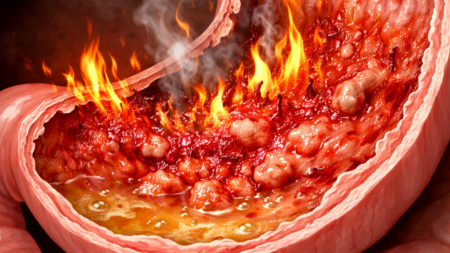
Toxins can trigger inflammation in the colon, a process that involves the release of immune cells and inflammatory molecules to combat the perceived threat. Chronic inflammation in the colon can weaken the mucosal lining and submucosal layers, leading to structural damage over time. This inflammation is often seen in conditions like inflammatory bowel disease (IBD), which includes Crohn’s disease and ulcerative colitis. Toxins, particularly free radicals and reactive oxygen species (ROS), can cause oxidative stress in the colon. This oxidative stress can lead to the damage of colon cells and tissues. Antioxidants usually protect the body against oxidative stress, but an overload of toxins can overwhelm the antioxidant defense system. The balance of the gut microbiota plays a vital role in maintaining colon health. Toxins, such as certain food additives and preservatives, can disrupt this balance. When the microbiota is imbalanced, harmful bacteria may thrive, leading to the production of substances that can damage the colon wall, such as lipopolysaccharides (LPS).
- Constipation and Diarrhea
Constipation is characterized by infrequent bowel movements, difficulty passing stool, and hard, dry stools. Certain toxins, such as those produced by bacterial or viral infections, can disrupt the normal contractions of the intestines (peristalsis). Reduced peristalsis can slow down the movement of stool through the colon, leading to constipation. Furthermore, toxins can lead to dehydration by increasing fluid loss through vomiting, diarrhea, or excessive sweating. Dehydration can result in the body drawing water away from the colon, making stool harder and more difficult to pass.
Diarrhea is characterized by frequent, loose, and watery bowel movements. Toxins produced by pathogenic bacteria, viruses, or parasites can directly irritate the lining of the intestines, leading to increased fluid secretion and decreased absorption of nutrients. This results in watery stools. Also, toxins produced by certain bacteria, like Staphylococcus aureus and Clostridium perfringens, can contaminate food and cause rapid-onset diarrhea. These toxins act on the gut lining, leading to inflammation and diarrhea.
Role of The Colon in Eliminating Toxins from the Human Body
The colon consists of four main sections: the ascending colon, transverse colon, descending colon, and sigmoid colon. This intricate structure plays a pivotal role in the elimination of toxins and waste. The body continuously produces metabolic waste products and is exposed to environmental toxins through the food we eat, the air we breathe, and the products we use.
Toxins can accumulate in the body and lead to various health issues if they are not efficiently eliminated. The colon plays a significant role in the detoxification process through the following mechanisms:
- Filtering Toxins: The colon acts as a filter, preventing harmful toxins and waste from re-entering the bloodstream. It ensures that only the necessary nutrients are absorbed into the body while waste materials and toxins are eliminated.
- Expelling Waste: Through the process of peristalsis, the colon moves waste material towards the rectum for elimination. This helps prevent the accumulation of toxic substances in the body.
- Beneficial Gut Microbiota: The gut is home to trillions of microorganisms, collectively known as the gut microbiota. These beneficial bacteria assist in the detoxification process by breaking down toxins and promoting the production of beneficial SCFAs.
- Prevention of Constipation: An efficiently functioning colon ensures regular bowel movements, preventing constipation. When waste material is allowed to accumulate in the colon, toxins can be reabsorbed, leading to health issues.
Symptoms of Toxins in the Colon
Over time, toxins can accumulate in the colon, leading to a variety of health issues. When these toxins build up in the colon, they can lead to a range of uncomfortable symptoms and, if left unchecked, contribute to more serious health issues. Recognizing the symptoms of toxins in the colon is essential for maintaining good health.
Symptoms:
- Constipation: Difficulty in passing stools, infrequent bowel movements, and the sensation of incomplete evacuation are common signs of toxin buildup in the colon. Toxins can interfere with the normal peristaltic movements of the colon, leading to constipation.
- Diarrhea: While constipation is a frequent symptom, paradoxically, diarrhea can also be a sign of toxins in the colon. Toxins can irritate the colon lining, leading to increased bowel movements and loose stools.
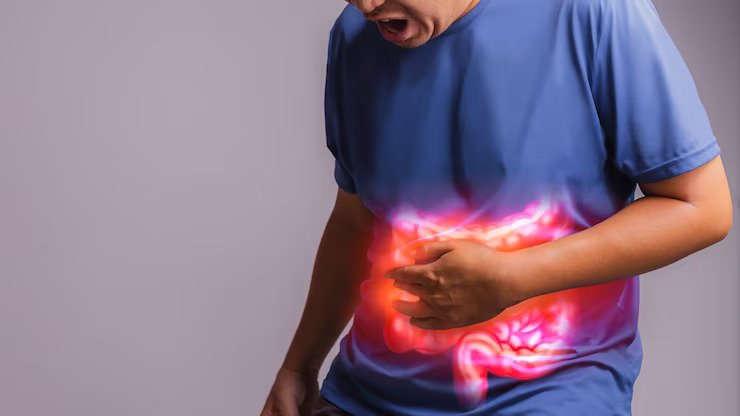
- Abdominal Discomfort: Persistent abdominal pain, cramps, and bloating can be indicative of colon toxicity. Toxins can irritate the colon’s lining, causing discomfort and pain.
- Fatigue: As toxins accumulate in the colon, they can affect the body’s overall energy levels. This can lead to feelings of fatigue and sluggishness.
- Bad Breath: Foul-smelling breath, or halitosis, can be a surprising indicator of colon toxicity. The buildup of toxins can contribute to unpleasant breath odor.
- Skin Issues: Skin problems such as acne, eczema, and psoriasis can be related to colon toxicity. When the colon struggles to remove waste efficiently, the skin often becomes an alternative outlet for toxins.
- Weight Gain: Toxins in the colon may hinder the body’s ability to absorb nutrients effectively, leading to weight gain or difficulty losing weight despite efforts.
- Headaches: Persistent headaches, migraines, and brain fog can be linked to colon toxicity. The toxins may enter the bloodstream and affect the brain, leading to these symptoms.
- Joint Pain: Toxins in the colon can cause inflammation, which may manifest as joint pain or stiffness.
- Food Cravings: Unhealthy cravings for sugary, fatty, or processed foods can be driven by imbalances in the gut microbiome caused by colon toxicity.
How Can You Can Help The Body To Fight Colon Toxins?
Toxins can have detrimental effects on our cognitive function and overall well-being. To function at its best, the colon requires a healthy environment, free from toxins and harmful substances. Fortunately, there are several strategies you can adopt to help your colon combat these harmful substances and maintain optimal health. Dr. Chris gives several ways that you can explore to support your colon in its battle against toxins.
Mitigating Toxins in the Colon
- A Balanced Diet
- Fiber-Rich Foods: Consuming a diet rich in fiber, particularly soluble fiber found in fruits, vegetables, and whole grains, can help regulate bowel movements and promote regular elimination. This reduces the time toxins spend in the colon.
- Probiotics: Probiotic-rich foods like yogurt, kefir, and fermented vegetables can help maintain a healthy balance of gut bacteria, which play a crucial role in detoxifying the colon.
- Adequate Hydration: Drinking enough water is essential for softening stools and preventing constipation, which can lead to toxin buildup in the colon.
- Colon Cleansing
- Colon Hydrotherapy: This involves flushing the colon with water to remove fecal matter and toxins. While some proponents claim benefits, it should only be done under the supervision of a trained professional, as it can have risks.
- Natural Laxatives: Herbal remedies like senna, aloe vera, and psyllium husk can be used to promote regular bowel movements. However, it’s important to use them sparingly and consult a healthcare provider for guidance.
- Regular Exercise
Physical activity stimulates intestinal contractions, which help move stool and toxins through the colon more efficiently. Aim for at least 30 minutes of moderate exercise most days of the week.
- Minimize Toxin Exposure
- Avoid Smoking: Smoking is a major source of harmful toxins that can enter the body and negatively impact colon health.
- Limit Alcohol and Processed Foods: Excessive alcohol consumption and highly processed foods can introduce toxins into the body, so moderation is key.
- Reduce Environmental Toxins: Minimize exposure to environmental toxins, such as pesticides, pollutants, and heavy metals, which can indirectly affect colon health.
- Regular Medical Checkups
Colonoscopies: Routine colonoscopies can help detect and remove polyps, which can potentially become cancerous. Early detection is crucial for preventing colon cancer.
Medication Review: Consult with your healthcare provider to review any medications you may be taking, as some drugs can have adverse effects on colon health.
- Stress Management
Chronic stress can disrupt digestion and exacerbate colon-related issues. Practicing stress-reduction techniques like meditation, yoga, and deep breathing can be beneficial.
Mitigating toxins in the human colon is essential for maintaining overall health and well-being. By adopting a balanced diet, regular exercise, minimizing toxin exposure, and seeking medical advice when necessary, you can support a healthy colon and reduce the risk of colon-related health issues.
“A healthy colon is essential for overall well-being, and it’s crucial to understand and address the presence of toxins within it. By making dietary and lifestyle adjustments, incorporating probiotics and prebiotics, staying hydrated, and considering natural detoxification methods, you can reduce and eliminate toxins in the colon, promoting digestive health and reducing the risk of associated health problems,” states Dr. Christopher.
Dr. Christopher Wambui is the CEO of Health-Link Natural Clinic. He is a proficient herbal practitioner with honors from the Himalaya Company and Patanjali Company, in India. He is also in partnership with Kenya Medical Research Institute offering services in genetic counseling, infertility treatment, Ulcers, gastritis, low testosterone levels, and prostate cancer. For booking a medical appointment call +254721500900 or visit drchris.co.ke for more information. Visit the YouTube channel for more informing videos Health-link Natural Clinics





What about uric acid????
Yes we have the best medication on that, have you done any tests. Where are you and when would you like to start the medication..?
Have high levels of uric acid
Thanks for contacting us and am sorry about your health condition, where are you and also you can also contact us on 0721500900 or 0731500900 for more information
Very eduacative
Thanks for your compliments and incase of anything health related issues kindly feel free to contact me
Hey am Monica from Embu please help me this situation has Disturbed me for more than 2,years taking Acid reflux antibiotics but it does not heal ,I have gone like all the Hospitals in Embu please please help me
Hello, thanks for reaching out,i can help you through the situation and can ou make time and visit me in kenol either on wednesday or saturday.You can call me on 07215009000 or 0731500900
Have high levels of uric acid give location so that I can start treatment
thanks for contactng us…where you located currentl…or also you can either call or sms us on 0721500900 or 0731500900
Thanks for your advice and I need more
Thank you and you are most welcome, where are you and when would you like to start the medication
Thanks for the advice I think I need more than that because I have all those symptoms
You are much welcome and where are you and when would you like to start the medication..?
Overnight my stomach keep producing abnormal sounds “kughuruma” with mild headache what could be the problem
It can be an issue of dyspepsia but we do have treatment where are you
thanks for contacting us and thats an issue with your digestive system and where are you as we have the best medication for that,you can call us on 0721500900 or 0731500900
Have high levels of uric acid give location so that I can start treatment
welcome to health link natural clinic in nairobi town at moi avenue at commerce house 6th floor room 610b open daily call us on 0721500900
I will appreciate
visit us for all arthritis related issues where are you
I will appreciate joints have pain especially left leg
Good job doc this is very educative …i really have to visit your clinic for treatment
thanks for the compliment..where are you curently located..you can also call or sms us on 0721500900 or 0731500900
thank you Margaret, where are you currently so i can give you directions to our nearest clinic but you can also call us or sms us on 0721500900 or 0731500900 for more information
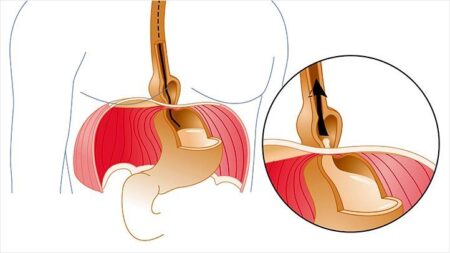
Dear Dr Chris is there any stomach Hernia treatment without minor surgery.
we do have treatment without surgery call us on 0731500900
hello,there are other alternatives medicaton we offer for treatment of hernia apart from surgery where are you currently so we can book an appointment for you to our nearest clinic or also you can contact us on 0-721500900 or 0731500900 for more information
hello john there are treatments for hernia without surgery, where are you currently…or also you can contact us on 0721500900 or 0731500900 for more information