
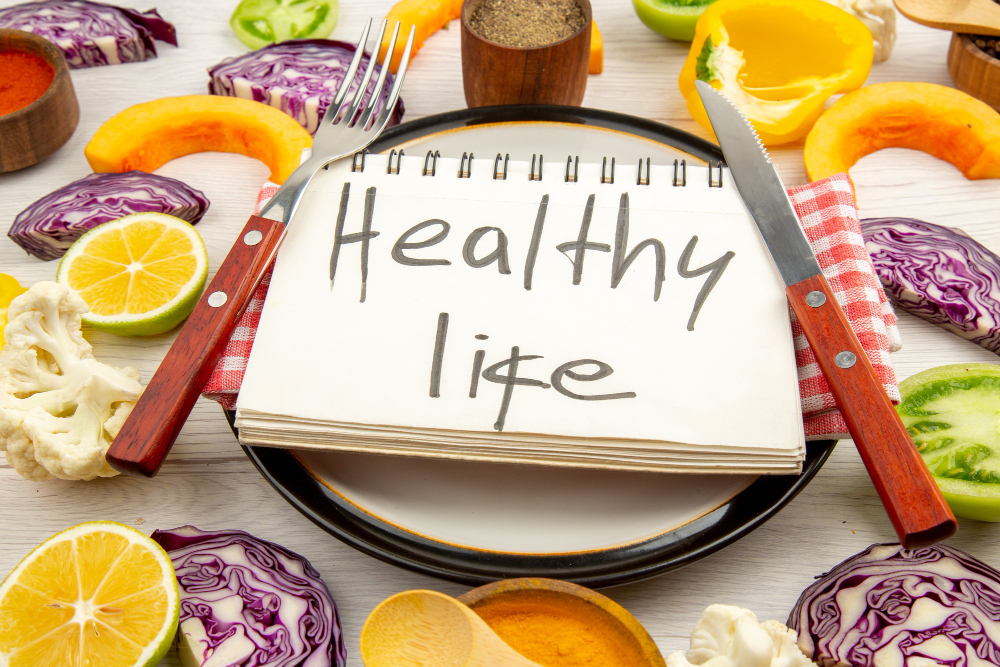
Managing arthritis is not just about medication; daily food choices directly influence inflammation, joint stiffness, and pain levels. The goal of an arthritis diet is simple: reduce inflammation, maintain a healthy weight, and support cartilage repair. A practical Kenyan meal pattern built around traditional foods already does this very well when prepared correctly.
Breakfast: Start the Day Anti-Inflammatory
Morning meals should stabilize blood sugar and calm inflammation instead of triggering it.
Millet, sorghum, or finger-millet (wimbi) porridge is an excellent foundation because it contains minerals that support bone and joint health. On other days, boiled arrowroots (nduma), sweet potatoes, or mashed plantains (matoke) seasoned with ginger and turmeric provide slow-release energy that prevents joint fatigue. Whole-grain bread with avocado and tomatoes is also beneficial due to healthy fats.
Protein is important early in the day. Boiled eggs and unsweetened ginger tea reduce morning stiffness. Fruits such as pawpaw, watermelon, oranges, mangoes, and apples add antioxidants that help reduce swelling inside joints.
Key idea: warm, natural, high-fibre breakfasts reduce morning joint stiffness better than tea-and-mandazi type meals.
Mid-Morning Snacks: Control Inflammation Between Meals
Small snacks prevent inflammatory spikes caused by long hunger gaps.
Good options include:
- Groundnuts (boiled or dry roasted)
- Chia seeds
- Almonds
- Pumpkin seeds
- Plain yoghurt (maziwa lala)
- Avocado
- Roasted or boiled maize
These foods contain healthy fats, probiotics, and minerals that lubricate joints and reduce cartilage breakdown.
Lunch: Build the Joint Repair Plate
Lunch should be the most balanced meal of the day — combining whole carbohydrates, plant protein, animal protein, and vegetables.
Healthy Kenyan choices include:
- Brown ugali or millet/sorghum ugali
- Brown rice
- Githeri (maize and beans)
- Mukimo with pumpkin or greens
Protein sources that help tissue repair:
- Tilapia or omena
- Lean beef or goat
- Skinless chicken
- Green grams (ndengu)
- Beans
- Lentils
Vegetables are essential daily:
- Sukuma wiki
- Spinach
- Managu
- Terere
- Kunde (cowpea leaves)
- Steamed cabbage and carrots
- Kachumbari
These vegetables supply anti-inflammatory phytochemicals that protect joint cartilage.
Evening Snacks: Calm the Body Before Night
Light snacks help prevent night pain and stiffness.
Suitable options:
- Fruits (pawpaw, orange, apple, watermelon)
- Yoghurt
- Mixed berries (when available)
- Groundnuts
They prevent blood sugar crashes that commonly worsen night joint pain.
Dinner: Repair and Recover
Dinner should be light but rich in healing nutrients.
Recommended meals include:
- Lentil stew or beans
- Pumpkin stew
- Vegetable soup (pumpkin, tomatoes, onions, carrots)
- Beans & vegetable soup
- Vegetable omelets
- Ndengu stew
- Light vegetable soup
Combine with steamed vegetables like spinach, cabbage, or mixed greens.
Heavy ugali at night worsens stiffness — lighter meals help the body repair joints during sleep.
Why This Diet Works
This eating pattern naturally:
- Reduces inflammation (ginger, turmeric, leafy greens, fish)
- Protects cartilage (legumes, seeds, nuts)
- Lubricates joints (avocado, yoghurt, healthy fats)
- Prevents weight gain (high fibre whole foods)
- Stabilizes pain cycles (regular balanced meals)
Final Advice
For arthritis, consistency matters more than perfection. Eating these traditional foods daily, boiling instead of deep-frying, and avoiding refined sugar and processed wheat dramatically reduces joint pain over time.
The truth: many arthritis patients rely on drugs while still eating inflammatory foods. When diet changes, pain levels often drop before medication is even adjusted.