
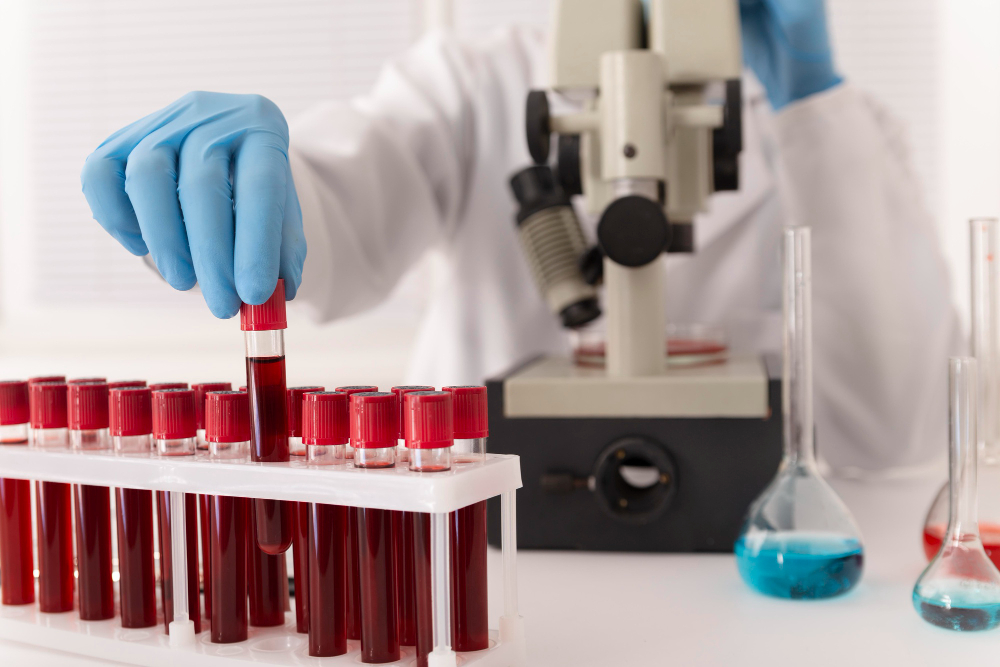
Blood group O+ is the most common blood type in Kenya, which means that a significant percentage of people you encounter, whether friends, family, or even strangers, are likely to have it. According to studies from Nairobi blood banks and national surveys, around 45-47% of Kenyans have O+.
- “O” means your blood has no A or B antigens
- “+” (positive) means you have the Rh factor
This combination makes O+ extremely useful, especially in emergencies.
Why Blood Group O+ is Important
This blood type saves lives more than most.
- O+ can be given to any Rh-positive person (A+, B+, AB+, O+)
- Hospitals rely heavily on O+ during accidents, childbirth emergencies, and surgeries
- Where blood shortages are common, O+ donors are always in demand
If you are O+, you are basically a walking emergency backup system. If you are not donating blood, you’re wasting an advantage.
Characteristics of People with Blood Group O+
Blood Group O+ is unique, and individuals with this blood type are often associated with distinct characteristics. While scientific research does not conclusively support the idea that blood types determine personality traits, Dr. Chris believes that there are some fascinating insights into the characteristics of people with Blood Group O+. The personality traits associated with Blood Group O+ include:
- Strong and energetic
- Naturally resilient (rarely falls sick easily)
- High endurance (common among athletes and physically active people)
- Sometimes aggressive or highly driven
Take this with a grain of salt. Your behavior is shaped more by environment than by blood type.
Compatibility Guide: Who Should People with Blood Group O+ Marry?
Blood group does not decide whether your marriage will be happy or not. You can marry anyone – A, B, AB, O, positive or negative – and build a strong family. Love, respect, and shared values matter far more than letters plus signs.
However, for healthy children, there are a few smart things to know (especially when planning pregnancy at your local clinic):
- Best matches for worry-free pregnancy: Another O+ or any Rh-positive partner. No major issues expected.
- Still good, but plan: If your partner is Rh-negative, the doctor will monitor closely and give a simple injection called RhoGAM during pregnancy. This prevents any problems for the baby. Many couples in Kenya do this successfully every day.
- Who needs extra attention (but still perfectly fine): If you are an O+ man marrying a Rh-negative woman, or if you (as a woman) are O+ and your partner is A, B, or AB, mild risks like baby jaundice can happen but are easily treated at any good maternity wing.
- Who to avoid worrying about: There is no blood group you “should not marry.” Same-group O+ couples have healthy babies all the time.
Bottom line: Go to any antenatal clinic together, do the free blood group test, and follow the nurse’s advice.
Health Considerations and Genetic Factors
Your O+ blood comes from genetics – you need two O genes from your parents (it is recessive). The “+” (Rh factor) is dominant, so even if one parent passed it, you got it. That is why O+ runs strongly in many Kenyan families.
Health-wise:
- Good news: O+ people often have a lower risk of blood clots and some heart problems. In some studies, O+ may also give slight protection against severe malaria – helpful if you live in endemic zones.
- Watch out for: Slightly higher chance of stomach ulcers or digestive issues (especially if you love spicy nyama or miss meals). Some older research also links type O to fertility challenges in women
- General tip: Stay active (football, jogging, or farming), manage stress, and get regular check-ups at your nearest dispensary. Know your status – it is free in most public hospitals.
Best Diet for Blood Group O+
O+ people are like ancient hunters; they thrive on high-protein, low-grain meals.
Lean meats: Nyama choma (goat or beef grilled the Kenyan way – skip heavy frying), chicken (kuku choma or boiled), liver, and kidney from your local butcher.
Fish: Fish – grilled tilapia, omena (small dried fish), or fresh Nile perch with lemon.
Vegetables: Loads of sukuma wiki, spinach, managu, terere, or cabbage from your shamba or market – steam or stir-fry with onions and tomatoes.
Fruits: Avocados (perfect with everything), mangoes, pawpaw, bananas (in moderation), and oranges.
Healthy fats: A little olive oil or coconut oil if available; plenty of fresh avocado.
Sample Kenyan day: Breakfast – boiled eggs with avocado and tea. Lunch – grilled goat nyama choma with a big plate of sukuma wiki. Dinner – baked tilapia with steamed greens. Snacks – roasted groundnuts or fresh fruit.
Foods To Limit:
- Grains and staples: Ugali (maize), chapati, rice, and bread – these can feel heavy for O+ types.
- Legumes: Beans, githeri, njahi (pigeon peas), and lentils – eat small amounts or skip sometimes.
- Dairy: Milk in chai, yoghurt, or cheese – many O+ people feel better without.
- Others: Corn, wheat products, caffeine overload, and too much alcohol.
Instead of heavy ugali every meal, try smaller portions or swap for more greens and protein. Many Kenyans on this style of eating say they feel more energetic for farming, business, or chasing kids around the compound. Combine with exercise – a morning run or digging in the garden works wonders!
Final Advice From Health-link
Being O+ is an advantage—but only if you use it right.
- You’re valuable in emergencies → donate blood
- You handle protein well → eat smart
- You’re prone to stomach issues → don’t abuse junk food
And most importantly:
👉 Stop choosing partners based on blood group—it’s outdated thinking. Focus on real compatibility and proper medical checks.