
Can Food Poisoning Really Cause Joint Pain? Yes — Here’s How
Imagine recovering from a stomach infection, thinking you are finally okay, then suddenly your knees start swelling, your back hurts, and even walking becomes a problem. It feels confusing, random, and frustrating. Or maybe you wake up one morning with swollen, painful knees after a urinary infection. Your joints feel stiff, your eyes are red and itchy, and you are wondering, “What is this?” It feels confusing, random, and frustrating. That’s the reality of reactive arthritis — a condition many people experience but rarely understand.
What Is Reactive Arthritis?
Reactive arthritis is a type of joint inflammation that happens after an infection, usually from the stomach, intestines, or urinary tract. It’s called “reactive” because the joints are reacting to an infection somewhere else in the body, not because the infection is inside the joint itself.
Think of it like this: You fight off a thief (the bacteria), but your security team (immune system) keeps attacking the house long after the thief is gone. It mostly hits people aged 20-40, and while it can affect anyone, it’s more common in men.
What Are The Causes and Triggers?
The condition is commonly linked to bacterial infection 1-4 weeks earlier.
- Gut infections (diarrhea, vomiting) – very common after eating from busy eateries or drinking unsafe water.
- Salmonella infection (from poorly cooked food)
- Urinary or genital infections – like chlamydia from unprotected sex.
- Shigella infection (contaminated water)
- Campylobacter infection (undercooked chicken)
- Rarely, throat infections or other bugs.
Symptoms: How It Shows Up
Reactive arthritis doesn’t just affect joints. It hits different parts of the body. Symptoms usually start gradually. The classic ones are in three areas (but you might not get all):
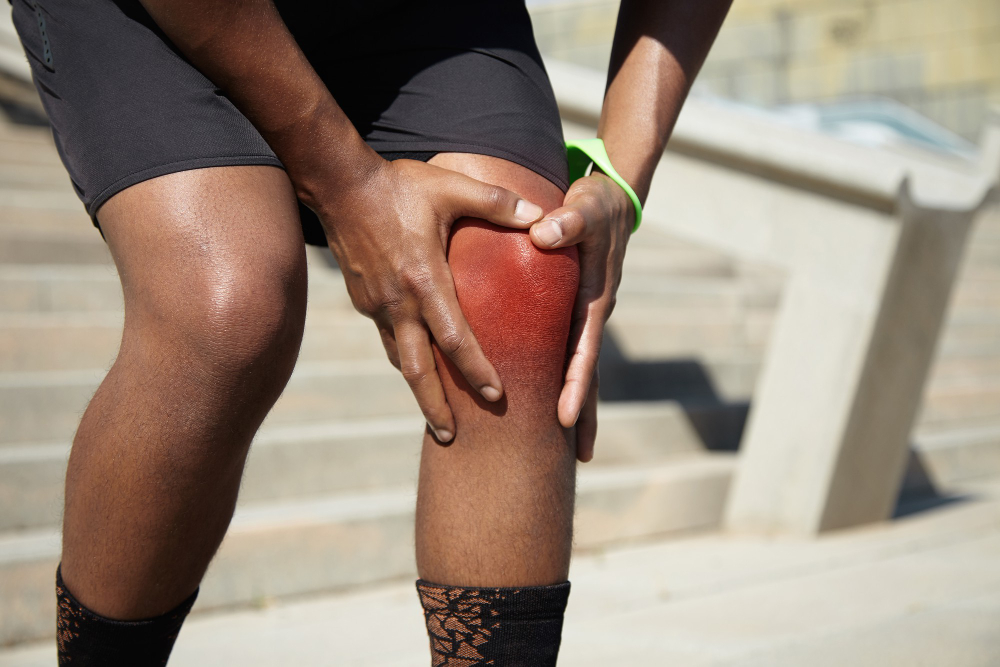
- Joints: Pain, swelling, and stiffness in knees, ankles, feet, or lower back. It’s often on one side more than the other. Toes or fingers can swell like “sausages.” Morning stiffness or nighttime pain is common. Walking or climbing matatus can hurt.
- Eyes: Red, painful, watery eyes (conjunctivitis) or more serious inflammation (uveitis). Feels like something is in your eye – common in Kenya’s dusty climate.
- Urinary tract: Burning when peeing, frequent urges, or discharge (especially in men).
Other signs:
- Skin rash on soles of feet or palms (looks like small blisters or hard patches).
- Mouth sores or tongue ulcers.
- Tiredness, mild fever, or weight loss.
If you notice these after a recent stomach bug or STI, don’t brush it off – call our doctor at Health-Link Natural Clinic 0731900500.
Who Is at Risk?
- Young adults (20-40 years) – the age when many are active and travel a lot.
- People who’ve had recent food poisoning or untreated STIs.
- Those with a family history of arthritis (though less linked to genes here).
- Men are slightly more than women for STI-triggered cases.
How Doctors At Health-Link Clinic Diagnose It
No single blood test says “you have reactive arthritis.” Doctors put the puzzle together:
- They ask about your recent infections (be honest about symptoms – no shame!).
- They check joints, eyes, and urine.
- Blood tests for inflammation (like ESR or CRP) and to rule out other forms of arthritis, such as rheumatoid arthritis.
- Sometimes, joint fluid test or X-rays/MRI if it lingers.
Treatments: What Works and What’s Available
Treatment controls symptoms and speeds recovery. Most people recover fully.
Medicines (available at Health-Link Clinic):
- Pain and inflammation relief
- Stronger options: If severe, doctors may give injections into joints.
- Antibiotics: Only if the original infection (like chlamydia) is still active – a full course clears it and prevents worsening.
Other help:
- Physiotherapy: Gentle exercises to keep joints moving. Walk short distances, swim in safe pools, or do simple stretches at home.
- Rest and ice: Rest swollen joints, but don’t stay in bed too long – movement helps.
- Eye drops for red eyes (from a doctor).
Diet and Lifestyle: Foods That Fight Inflammation
Eating anti-inflammatory foods reduces swelling and boosts energy. Focus on what’s fresh at your local market – affordable and tasty!
Eat more of these (daily if possible):
- Greens: Sukuma wiki, managu, terere, or cowpea leaves – packed with antioxidants. Steam or boil lightly.
- Fruits: Mangoes, pawpaw, pineapples, bananas, avocados – vitamin C and healthy fats fight inflammation.
- Whole grains and beans: Millet or sorghum porridge (uji), njahi (black beans), lentils, or green grams. These lower inflammation markers.
- Spices and herbs: Ginger, garlic, turmeric (add to tea, stew, or ugali) – natural anti-inflammatories many Kenyan grandmas swear by.
- Omega-3 sources: Small fish like omena or dagaa (sardine-like), or flaxseeds if available. Avocados help too.
- Fermented foods: Traditional fermented porridge or yogurt – good for gut health.
Cut down on:
- Sugary sodas, processed snacks, and fried street foods (chips, mandazi).
- Red meat and fatty nyama choma every day.
- Alcohol and smoking – they worsen inflammation.
Lifestyle tips:
- Drink plenty of clean water (boil or treat it).
- Maintain a healthy weight – extra kilos stress joints.
- Exercise gently: Walk, cycle, or do home yoga 3-4 times a week.
- Get enough sleep and manage stress (pray, chat with family).
Living with It and Prevention
Most recover completely and return to normal life – farming, business, or family duties. If it lingers, it can be managed like any chronic condition.
Prevent it:
- Treat infections fast: Finish antibiotics for diarrhea or STIs.
- Food hygiene: Wash hands, cook meat well, drink treated water. Avoid suspect street vendors during rainy seasons.
- Safe sex: Use condoms; get regular STI checks at clinics.
- Vaccinations and hygiene at home – simple but powerful
When to See a Doctor Right Away
Go to the nearest clinic if:
- Joint pain/swelling after recent diarrhea, fever, or STI.
- Red/painful eyes with joint issues.
- Pain stops you from walking or working.
Don’t wait – early treatment prevents joint damage. Reactive arthritis reminds us how connected our body is: a gut bug today can affect knees tomorrow. If you or a loved one is struggling, talk to Dr. Chris today. Share this with friends – knowledge is power! Stay strong, eat well, and keep moving. Your joints will thank you! Karibu tena for more health tips.