
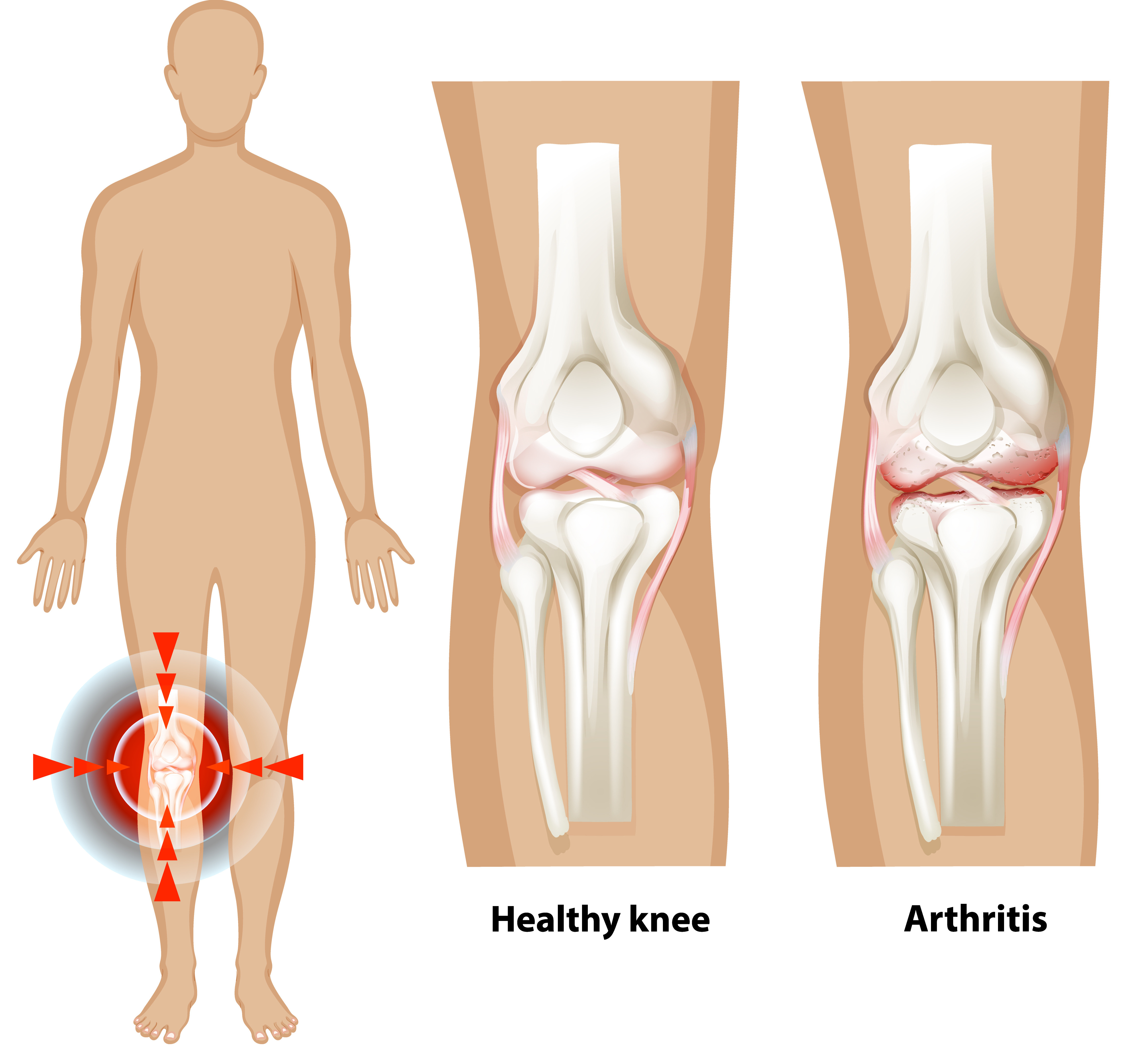
There is a type of joint pain that doesn't just hurt; it is aggressive, painful, and feels warm. When your joints refuse to move, it signals that they are under attack. Many people try painkillers, massage, or even natural remedies when experiencing joint pain. But what if that pain is not merely due to inflammation, but an active infection that is damaging your joint from the inside? This is the nature of aggressive septic arthritis. It doesn't give you much warning, and it won't wait for you to "feel better."
Septic Arthritis is one of those conditions that is fast, painful, and dangerous if ignored. The scary part? Many people don’t recognize it until it has already caused irreversible damage.
What is Septic Arthritis?
Septic arthritis (also called infectious or bacterial arthritis) happens when germs, usually bacteria, but sometimes viruses or fungi, invade the fluid and tissues inside a joint. It’s an emergency infection, not the slow “wear-and-tear” arthritis your grandparents might have from age or hard work.
It mostly hits one joint at a time (often the knee, hip, shoulder, elbow, or wrist). The infection causes swelling, pain, and inflammation that can eat away at the cartilage (the cushion in your joint) super fast – sometimes within hours. Without quick hospital care, it can lead to lifelong stiffness or disability.
What Causes It?
The main culprit is bacteria called Staphylococcus aureus or Staph (a common germ found on skin). Staph lives on the skin and in the noses of many people.
Septic arthritis can occur when an infection, such as a skin infection or urinary tract infection, spreads through the bloodstream to a joint. Additionally, it can happen less frequently due to a puncture wound, an injection of medication or drugs, or surgery performed in or near a joint, including joint replacement surgery, which can allow germs to enter the joint space.
Signs and Symptoms – Act on These Fast!
- Severe pain in one joint – even light touch hurts.
- Swelling, redness, warmth, and tightness around the joint.
- You (or your child) can’t move or use the joint – kids may refuse to walk or bear weight.
- Fever, chills, tiredness, or feeling generally sick.
- Difficulty moving the joints
Who Is at Higher Risk?
Anyone can get it, but these factors make it more common here:
- Children under 5 (especially if malnourished or anaemic).
- Elderly people or those with weakened immunity.
- Diabetes, HIV, or rheumatoid arthritis
- Recent joint injury, surgery, or open wound (farmers, athletes, and manual workers watch out!).
- Living in crowded areas or with poor nutrition.
- Sickle cell disease or other chronic illnesses.
How Is It Diagnosed?
At Health-Link Natural Clinic, doctors will;
- Ask about your symptoms, recent injuries, or illnesses.
- Examine the joint and check for fever.
- Do blood tests (to show infection markers).
- Key step: Draw fluid from the joint with a thin needle (arthrocentesis) – it’s quick, done with numbing, and confirms the germ.
- Recommend X-rays, ultrasound, or MRI if needed.
This is why speed matters – treatment starts the same day.
Treatments: What to Expect At Health-Link Clinic
Septic arthritis is treated as an emergency:
- Strong antibiotics
- Draining the infection: Needle aspiration, keyhole surgery (arthroscopy), or open surgery to wash out pus and clean the joint.
- Rest and pain relief: The joint is rested or splinted, with painkillers and elevation. Ice packs help reduce swelling.
- Physiotherapy: Once the infection is under control (often after 48 hours), gentle exercises get you moving again.
Reality check: If you delay treatment, you risk permanent joint damage, disability, or even death. However, most people feel better quickly with treatment. Full recovery takes weeks to months, but many return to normal work and life. Surgery is more likely if it’s very advanced or involves a prosthetic joint.
Diets That Support Recovery (and Prevention)
The right foods boost your immunity, fight inflammation, speed healing, and help prevent complications. Focus on affordable, market-fresh options:
- Leafy greens for vitamins and antioxidants: Sukuma wiki, managu, cowpea leaves (kienyeji), spinach, or amaranthus. They reduce swelling and support fighting germs.
- Proteins to repair tissues: Beans, lentils, njahi, eggs, chicken, small fish like omena, or groundnuts. Eat plenty while recovering.
- Whole grains and fibre: Millet or sorghum porridge, ugali mixed with veggies. High-fibre traditional foods keep your gut (and whole-body immunity) strong.
- Fruits for vitamin C: Oranges, mangoes, pawpaw, bananas, or lemons – cheap and immune-boosting.
- Natural anti-inflammatories: Add ginger, garlic, or turmeric to stews and tea. Fermented options like maziwa mala (sour milk) or traditional porridges support gut health.
Daily tips:
- Eat small, frequent meals if your appetite is low.
- Drink lots of clean water or herbal teas.
- Avoid: Sugary sodas, fried chips, processed foods, and excess red meat – they worsen inflammation.
- If malnourished (common in recovery), ask for nutrition support at the clinic – Kenya’s health system has guidelines for this.
These same foods build long-term joint health and immunity, especially if you have diabetes or HIV.
Prevention: Simple Habits That Protect Your Joints
- Clean every cut or wound immediately with clean water and an antiseptic.
- Treat skin infections, fevers, or boils promptly – don’t wait.
- Manage diabetes, HIV, or other conditions with regular clinic visits and medicines.
- Eat a balanced Kenyan diet daily and stay active.
- For kids: Good nutrition, hygiene, and quick care for any injury.
- After surgery or injections: Follow wound-care instructions.
Why Speed Matters – Potential Complications
Untreated or delayed septic arthritis can:
- Destroy joint cartilage permanently → lifelong pain, stiffness, or limp.
- Spread to your blood (sepsis) → life-threatening.
- Lead to chronic arthritis or the need for joint replacement (expensive and not always available).
Early hospital care usually prevents this – and costs far less than long-term disability.
When to Seek Help Immediately
Visit us at Health-Link Natural Clinic if you have sudden joint pain + swelling + fever, especially after injury or illness. Don’t rely only on painkillers. Septic arthritis is serious but beatable. Know the signs, eat foods that strengthen you (our markets are full of them!), and act fast. Your knees, hips, and shoulders carry you through farming, family life, and everything in between – protect them.
Stay strong, Kenya! If symptoms appear, visit us; it is better safe than sorry. Call us on 0731500900